车企智能化转型

Search documents
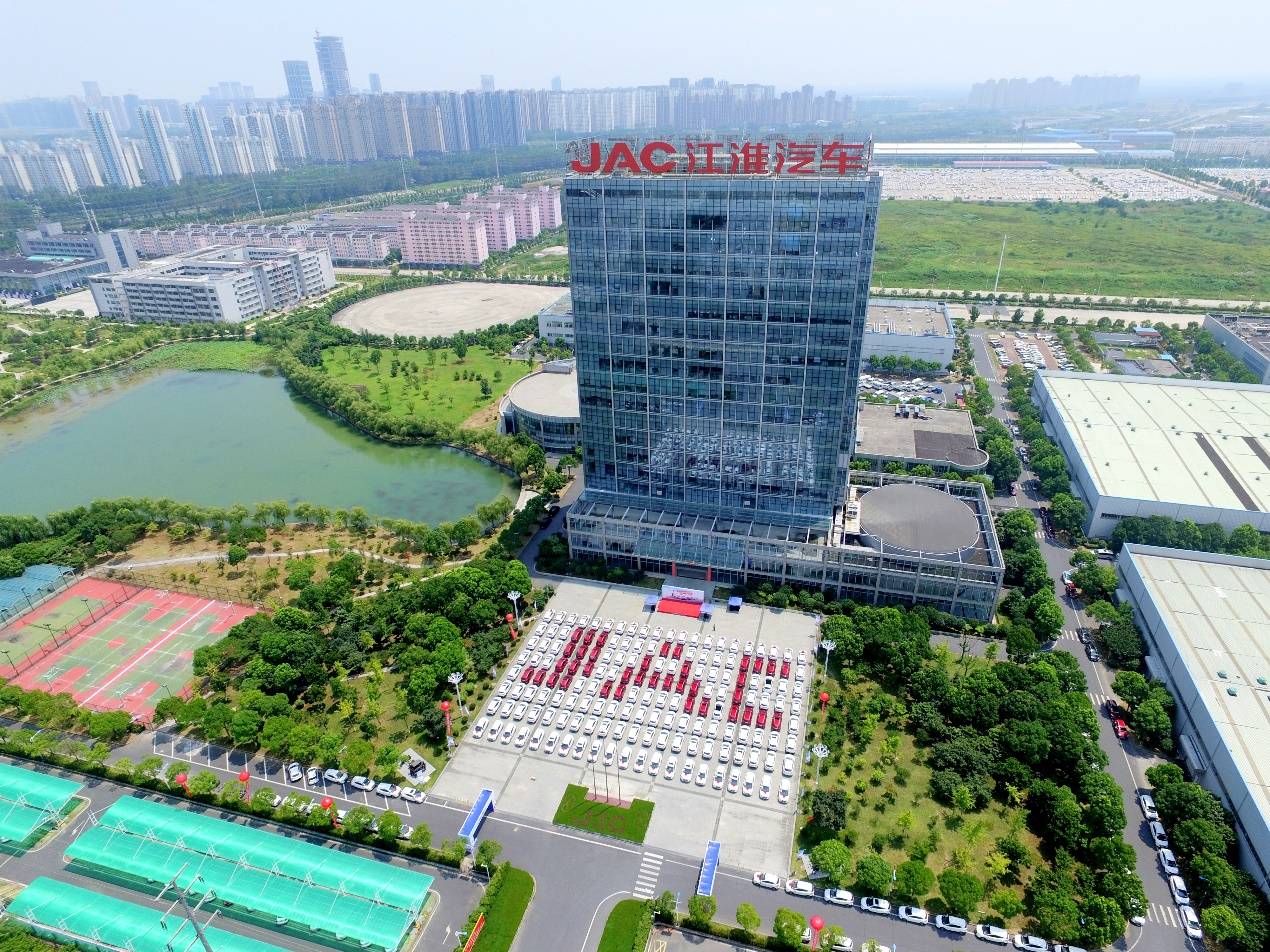
“双引擎”业务模式现雏形,江淮汽车短期阵痛背后的长期押注
Sou Hu Cai Jing· 2025-11-06 01:39
Core Viewpoint - Jianghuai Automobile is experiencing short-term pain during its transformation phase, with a reported revenue decline and significant losses, but the market remains optimistic about its future prospects due to strategic partnerships and new product launches [2][3][11]. Financial Performance - For the first nine months of 2025, Jianghuai reported revenue of 30.873 billion yuan, a year-on-year decline of 4.14%, and a net loss attributable to shareholders of 1.434 billion yuan [2]. - In Q3, revenue reached 11.513 billion yuan, a year-on-year increase of 5.54%, but the net loss was 661 million yuan, indicating a shift from profit to loss [2]. - R&D investment exceeded 3 billion yuan in the first nine months, reflecting a growth of over 30% year-on-year [8]. Market Position and Product Development - Jianghuai's traditional business remains stable, with pickup sales exceeding 45,000 units, ranking second in the industry, and a 62% year-on-year increase in new energy light truck sales [5]. - The launch of the high-end luxury model, the Zun Jie S800, has seen steady sales growth, with over 15,000 units booked within four months of its release [5][9]. - The Zun Jie S800 has contributed to a 2.58 percentage point increase in overall gross margin, reaching 13.94% [9]. Strategic Partnerships and Innovations - Jianghuai is focusing on a dual strategy of independent innovation and open collaboration, aiming to transform into a technology-driven enterprise [11]. - The partnership with Huawei has led to the establishment of a large R&D and delivery team, enhancing operational capabilities and management processes [11][12]. - A long-term strategic cooperation agreement with CATL was signed to collaborate on advanced technology development and supply chain security [12]. Future Outlook - The company is expected to overcome its current losses as it ramps up production and sales of the Zun Jie S800, with a target of reaching a monthly production capacity of 4,000 units by the end of 2025 [9][10]. - Jianghuai's entry into the luxury car market represents a significant opportunity to escape the low-price competition cycle, potentially leading to substantial growth [14].


任正非的会客厅,成了车圈“急诊室”
商业洞察· 2025-10-24 09:31
Core Viewpoint - The article discusses the increasing collaboration between traditional car manufacturers and Huawei, highlighting the challenges and strategies in the automotive industry's shift towards smart driving technology [3][8][14]. Group 1: Industry Dynamics - In 2025, the Chinese automotive market will be highly competitive, with new players and tech companies dominating, while traditional manufacturers struggle with their self-developed technologies [11][12]. - Companies like Chery and Great Wall have faced significant setbacks in their self-research efforts, leading to a shift towards partnerships with Huawei for survival [13][14]. - The article emphasizes that collaboration with Huawei is seen as a necessity for traditional car manufacturers to keep pace with the rapid technological advancements in the industry [14][19]. Group 2: Collaboration with Huawei - Many car executives have visited Huawei's headquarters, seeking guidance and collaboration to enhance their smart driving capabilities [3][8][10]. - Huawei offers various cooperation models, including component supply, full-stack solutions, and deep involvement in product design and marketing, which allows car manufacturers to leverage Huawei's technology without fully losing their brand identity [17][21]. - The article notes that while some collaborations have yielded positive results, such as the AITO brand, others have struggled with market acceptance and internal conflicts [21][22]. Group 3: Challenges and Risks - The dependence on Huawei's technology raises concerns about brand dilution for car manufacturers, as consumers may associate the product more with Huawei than the car brand itself [19][24]. - Companies like Li Auto and Xiaopeng, which initially focused on self-research, are now integrating Huawei's technologies, reflecting the industry's shift towards collaboration despite previous competitive tensions [18][19]. - The article warns that while partnerships can provide immediate benefits, they may also lead to long-term challenges in maintaining a unique brand identity and technological independence [23][24].