尊界S800

Search documents
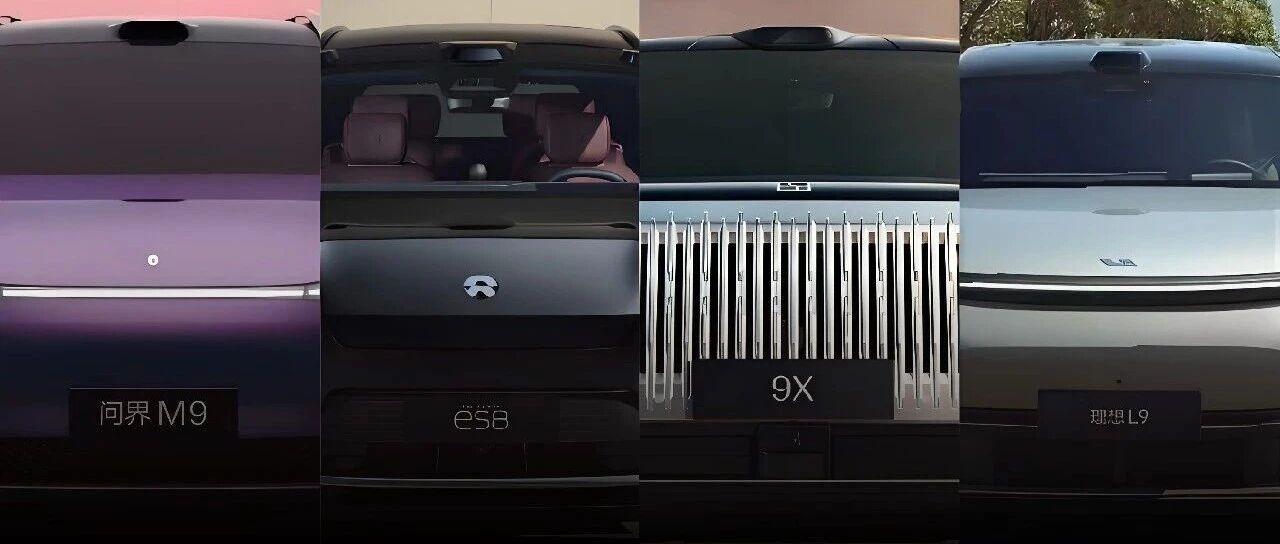
中国新四大豪华势力出炉
汽车商业评论· 2026-03-25 23:07
Core Viewpoint - The article discusses the emergence of a new luxury automotive segment in China, represented by companies like Huawei, NIO, Li Auto, and Zeekr, which are challenging traditional luxury brands such as BMW, Mercedes-Benz, Audi, and Porsche in the electric vehicle market [3][5][12]. Traditional Luxury Brands - In 2025, traditional luxury brands in China are projected to have the following sales: BMW 62.55 million units (down 12.5%), Mercedes-Benz 57.5 million units (down 19%), Audi 61.75 million units (down 5%), and Porsche 4.19 million units (down 26.3%) [4][5]. - The total sales for these brands will be approximately 185.99 million units, a decrease of about 260,000 units compared to 2024, returning to levels seen in 2017 [5]. New Luxury Brands - The new luxury brands, including Huawei's HarmonyOS, Li Auto, NIO, and Zeekr, are expected to achieve total sales of 154.55 million units in 2025, with NIO at 32.6 million units (up 46.9%), Li Auto at 40.63 million units (down 18.8%), and Zeekr at 22.41 million units (up 0.9%) [5][12]. - The new luxury segment is gaining traction, with Huawei's HarmonyOS leading the way with 58.91 million units sold [4][5]. Price Wars - In early 2026, traditional luxury brands initiated a price war, with BMW reducing prices on 31 models by over 10%, including a significant drop of 30.1 million yuan for its flagship model [7][9]. - Mercedes-Benz and Audi followed suit with substantial discounts on various models, indicating a shift in pricing strategies due to sales pressures [9][10]. Changing Consumer Preferences - The average age of luxury car consumers in China is significantly lower at 35 years, with 62% of luxury car purchases made by individuals under 35, who prioritize technology and experience over brand heritage [15][16]. - Young consumers are redefining luxury, focusing on smart features, comfort, and performance rather than traditional brand prestige [16]. Competitive Landscape - Traditional luxury brands are adapting by collaborating with Chinese tech companies to enhance their smart vehicle offerings, indicating a shift in strategy to compete with new entrants [18][20]. - Despite the challenges posed by new luxury brands, traditional players still hold advantages in mechanical reliability and global supply chain management [20][22]. Financial Performance - New luxury brands are beginning to achieve profitability, with NIO and Zeekr reporting quarterly profits in late 2025, while Li Auto faced a loss during its transition to pure electric vehicles [20][22]. - The financial sustainability of new luxury brands remains a concern, as they navigate the challenges of a rapidly evolving market [22].




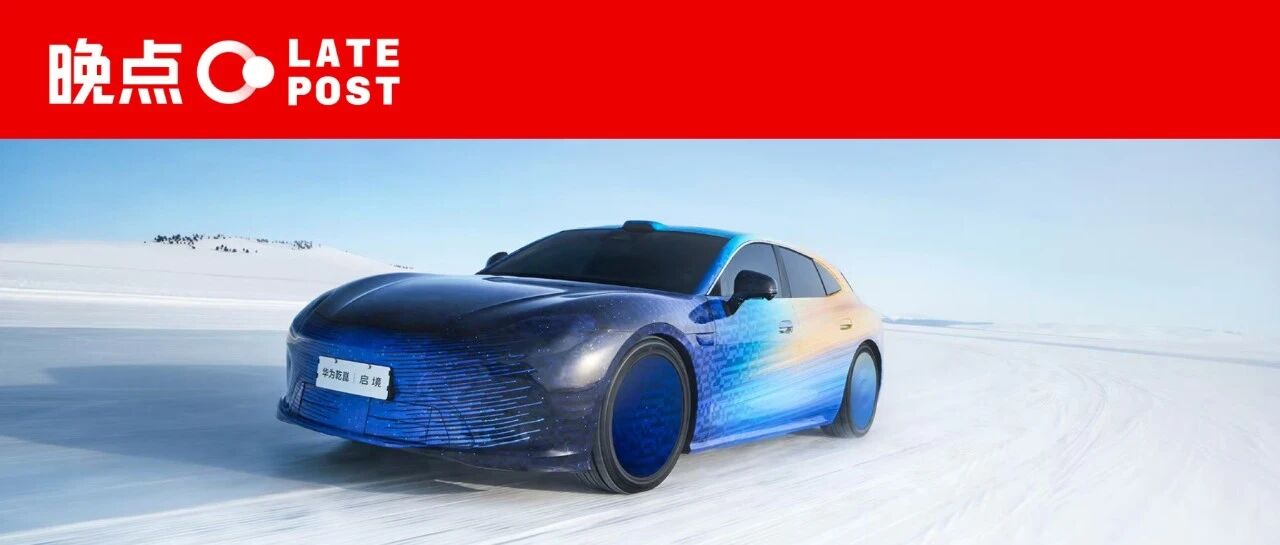
从 0 到 1 全程参与,华为乾崑如何联合广汽打造 “百万级” 智能猎装?
晚点LatePost· 2026-03-10 08:08
Core Viewpoint - Huawei QianKun aims to establish a new cooperation model in the automotive industry through its partnership with GAC, exemplified by the launch of the new brand "Qijing" and its first model GT7, which integrates advanced intelligent technologies and aims to redefine the market for intelligent vehicles [2][4][5]. Group 1: Product Development and Features - The Qijing GT7 is positioned as a "new generation intelligent shooting brake," featuring advanced technologies such as the world's highest specification 896-line dual optical path image-level lidar and L3-level hardware architecture [2][10]. - The vehicle is designed to meet "million-level" standards in terms of intelligence, driving control, and aesthetics, aiming to create a unique market presence in the competitive automotive landscape [9][10]. - The GT7 will officially debut on March 17 and is scheduled for market launch in June, with a successful channel recruitment plan already in place [3]. Group 2: Strategic Collaboration - Huawei QianKun's strategy involves deep collaboration with automotive manufacturers, moving from a traditional supplier role to a full-chain empowerment partner, thereby enhancing product co-creation and sales processes [16]. - The partnership with GAC has led to the establishment of a new independent company for Qijing, with hundreds of Huawei employees embedded within the Qijing team to facilitate joint decision-making and product development [5][7]. - A collaborative mechanism has been developed to streamline processes, allowing both parties to leverage their strengths in defining scenarios, setting goals, and executing technical developments [7]. Group 3: Market Positioning and Innovation - The choice of a shooting brake for the first model reflects a bold strategy to tap into a niche market, differentiating Qijing from competitors who focus on larger SUVs [8][9]. - Extensive user demand research was conducted across over 300 cities, revealing a high demand for well-designed shooting brake models, which Qijing aims to fulfill with superior technology and features [9]. - The GT7 is positioned as a "7-sided warrior," emphasizing its advanced technology and comprehensive performance across various aspects, including safety and user experience [9][15].

激光雷达,能拉爆鸿蒙五界的销量吗?
虎嗅APP· 2026-03-07 02:46
Core Viewpoint - Huawei has launched a new generation of high-line laser radar, claiming it to be the "highest line count" product in the world, achieving a significant technological breakthrough in an industry where most products are limited to 192 lines [2][4]. Group 1: Product Features and Benefits - The high-line laser radar offers enhanced safety capabilities, allowing for better detection of low obstacles and improving recognition distances for low-reflectivity targets by 190% and for irregular obstacles by 77% [4]. - In extreme conditions such as rain or snow, the radar can provide more accurate images, enhancing driver safety and confidence [4]. - The radar's value is more pronounced for luxury car owners who prioritize safety features, while average consumers may not perceive a significant difference in daily commuting [4]. Group 2: Market Positioning and Pricing - The first models equipped with the 896-line radar are the high-end models, with the starting price of the ZunJie S800 at 728,000 yuan and the AITO M9 at 479,800 yuan, reflecting a price increase of 20,000 yuan and 10,000 yuan respectively compared to their 192-line counterparts [5]. - Huawei aims to leverage this technology to drive sales for its automotive partners, with a cumulative delivery of 1.28 million vehicles expected by March 2026 [6][7]. Group 3: Sales Performance and Market Dynamics - Despite impressive sales figures, the performance varies significantly across different models, with the ZunJie brand achieving monthly sales of 2,000-3,000 units, while the AITO M9 maintains over 18,000 units [10]. - The introduction of high-line radar may not uniformly boost sales across all models, as the impact will differ based on the target market and consumer sensitivity to price [11][13]. - For high-end brands like AITO and ZunJie, the new radar technology serves as a competitive advantage, while for mid-range brands like ZhiJie and ShangJie, the impact on sales may be limited due to price sensitivity among consumers [14][17]. Group 4: Strategic Implications - The 896-line radar is seen as a tool to strengthen the market position of high-end brands, appealing to consumers who value cutting-edge technology and safety [14][21]. - For mid-range and budget models, the focus should be on market positioning, competitive pricing, and clear brand narratives rather than solely on advanced technology [21].

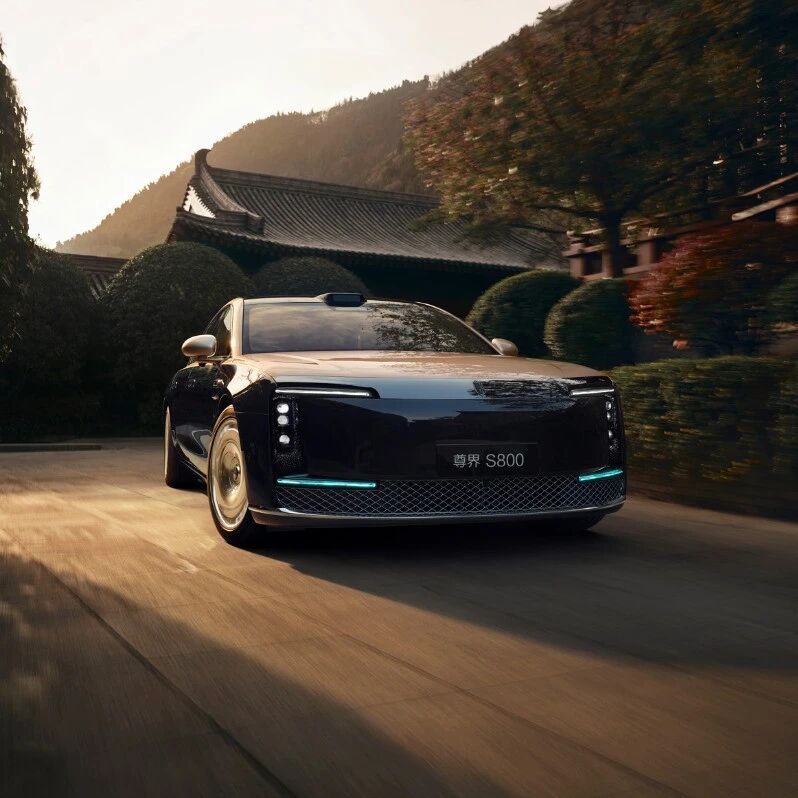
尊界S800再秀技术体系化能力,华为车业务奏出“琴瑟和鸣”
第一财经· 2026-03-06 03:24
Core Viewpoint - The launch of the Hongmeng Intelligent Driving Technology marks a significant shift in Huawei's smart automotive business, moving from "technical breakthroughs" to "systematic capability output," reshaping the value logic of China's smart automotive industry [1] Group 1: Technological Advancements - The new generation of dual-light path image-level lidar, with 896 lines, is a key feature of the flagship model, the Zun Jie S800, which has completed the Huawei Qian Kun Intelligent Driving ADS 4.1 upgrade [1] - The Zun Jie S800's lidar enhances the vehicle's perception capabilities and active safety, utilizing a fully integrated perception system with 36 high-precision sensors [6] - The lidar's innovative dual-focus optical architecture addresses the industry's long-standing issue of balancing wide-angle and detail visibility, improving overall safety performance [6] Group 2: User Experience and Market Impact - The continuous OTA updates of the Zun Jie S800 allow for ongoing feature evolution, providing users with a "new car experience" every month, breaking the traditional luxury car value cycle [7] - The active safety system of Hongmeng Intelligent Driving has prevented over 3.54 million potential collisions, reinforcing the idea that "safety is the greatest luxury" [6] Group 3: Strategic Collaboration - The collaboration between Huawei's automotive business units signals a strategic alignment, emphasizing resource synergy and technical complementarity, with Huawei focusing on helping car manufacturers create better vehicles [11] - The division of roles between Huawei Qian Kun and Hongmeng Intelligent Driving allows for a clear focus on core technology development and user experience optimization, respectively [11][13] Group 4: Industry Transformation - The Zun Jie S800's technological upgrades signify a shift in the competitive landscape of the smart automotive industry, moving from isolated technical comparisons to a focus on systemic capabilities [18] - The successful implementation of high-end models like the Zun Jie S800 opens new pathways for Chinese automotive brands to ascend the value chain, gaining authority in defining luxury standards [20][22] - Huawei's model of "technical foundation + brand implementation" balances technological universality with product uniqueness, reshaping the cost structure of the smart electric vehicle industry [15]
8点1氪:寿司郎被曝吃出寄生虫卵,当地市监局通报;全国人大代表建议尽量不要调休;谷歌DeepMind高管公开邀请千问团队入职
36氪· 2026-03-06 00:31
Group 1 - Sushi restaurant Sushi Lang was reported to have served a dish containing parasitic eggs, leading to an investigation by the local market supervision bureau [2][3] - A consumer claimed to have found parasitic eggs in tuna after waiting three hours to eat at Sushi Lang, prompting a response from the restaurant's management regarding potential medical compensation [3] - The market supervision bureau emphasized its commitment to protecting consumer rights and will take strict action against any violations [4] Group 2 - Xiaomi's founder Lei Jun stated that the rising demand for AI has led to increased prices for storage chips, putting pressure on the company's mobile business [5] - Alibaba denied rumors of a mass departure from its AI team, asserting that the team remains stable and operational [5] - JD Group's CEO revealed that the company's investment in food delivery services will decrease compared to the previous year, aiming for improved operational efficiency [6] Group 3 - Iran's Islamic Revolutionary Guard Corps announced a ban on U.S., Israeli, and European vessels from passing through the Strait of Hormuz, citing wartime rights [7] - The U.S. stock market saw a collective decline, with major indices falling, and Bilibili's stock dropping over 7% [7] - Silver prices fell below $81 per ounce, marking a 3.09% decrease [8] Group 4 - OpenAI's annual revenue surpassed $25 billion, reflecting a 17% increase from the previous year, although competition with Anthropic is intensifying [10] - Israel plans to reopen its airspace for outbound flights starting March 8, contingent on security assessments [10] - Apple's new MacBook Neo is priced to fall within the range of government subsidies, potentially costing around 3000 yuan after subsidies [11] Group 5 - JD Logistics reported a revenue of 217.1 billion yuan for 2025, marking an 18.8% year-on-year increase [24] - JD Health achieved a total revenue of 73.4 billion yuan in 2025, reflecting a 26.3% growth [25] - Hightu Group's revenue for 2025 reached 6.15 billion yuan, a 35% increase year-on-year [22]


双手奉上的雷达,说明华为想通了
虎嗅APP· 2026-03-06 00:26
Core Viewpoint - Huawei's automotive business has reached a new strategic phase, integrating its technology and market operations through the collaboration of its two core divisions: Huawei QianKun as the technology foundation and Hongmeng Zhixing for market implementation [3][7][10]. Group 1: Strategic Integration - The recent launch of the new generation laser radar at the Hongmeng Zhixing event signifies a strategic alignment within Huawei's automotive business, marking the end of internal competition between its two business models [3][6]. - Huawei has transitioned from a dual approach of being a technology supplier (Huawei Inside) to a more integrated model where QianKun provides comprehensive smart automotive solutions while Hongmeng Zhixing focuses on consumer-facing products [6][7]. - This collaboration is essential for creating a complete competitive ecosystem in the smart automotive sector, addressing the industry's need for both advanced technology and effective market execution [8][7]. Group 2: Product Development and Market Performance - The first product to exemplify this collaborative model is the Zun Jie S800, which aims to penetrate the ultra-luxury market and showcases Huawei's full-stack capabilities [4][12]. - The Zun Jie S800 has achieved significant market success, becoming the best-selling ultra-luxury sedan in China, with a monthly delivery of 4,376 units in December 2025, surpassing competitors like Porsche Panamera and BMW 7 Series [21][22]. - This success indicates a paradigm shift in the Chinese automotive industry, redefining luxury not through traditional metrics but by emphasizing safety and intelligent features [22][23]. Group 3: Technological Advancements - The new laser radar introduced in the Zun Jie S800 features a unique dual-focus optical architecture, allowing for simultaneous wide-angle and long-range imaging, addressing a critical industry challenge [13][14]. - The Zun Jie S800 is supported by a comprehensive technology ecosystem, including a multi-sensor perception system and an advanced decision-making platform, enhancing its operational capabilities [16][18]. - This technological edge positions the Zun Jie S800 as a strong competitor in the luxury market, leveraging Huawei's continuous data feedback loop to improve safety and user experience [23][19].
今年车市价格集体走高
新华网财经· 2026-03-05 15:05
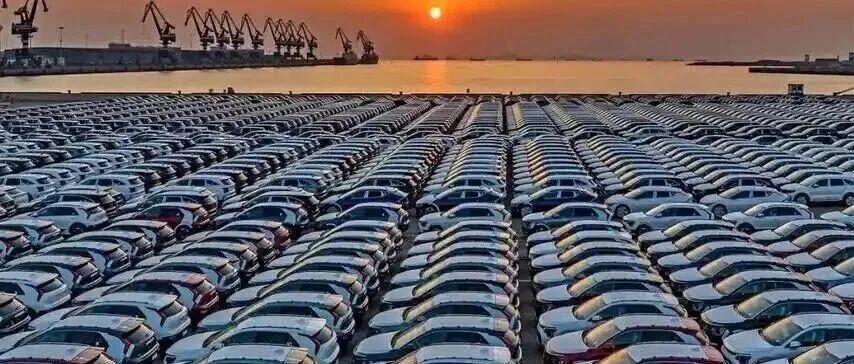
Core Viewpoint - The article highlights the trend of high-end electric vehicles (EVs) emerging in the Chinese automotive market, with a shift in competition towards models priced above 150,000 yuan, indicating a significant change from the previous focus on models priced between 100,000 to 150,000 yuan [2][3]. Group 1: Market Trends - Since March, over 7 new EV models have been launched with guide prices or pre-sale prices above 150,000 yuan, indicating a shift in the competitive price range of the automotive market [2]. - The market share of vehicles priced above 150,000 yuan is expected to increase, with models priced between 200,000 to 300,000 yuan accounting for 18.6% of domestic retail sales, reflecting a clear trend towards high-end development in the EV sector [3]. Group 2: Company Strategies - BYD is focusing on high-end strategies by separating its B-end and C-end markets, targeting the ride-hailing and government vehicle markets with a new brand called Linghui, while also expanding its high-end brands, Tengshi and Yangwang [2]. - GAC Toyota's new model, the Platinum 7, is collaborating with Huawei to feature the Hongmeng cockpit, with a pre-sale price exceeding 150,000 yuan, while Dongfeng Nissan's upcoming NX8 is targeting the 200,000 yuan SUV market [2]. Group 3: Policy Impact - The increase in competition in higher price segments is partly driven by changes in the vehicle trade-in policy, which has made it easier for consumers to upgrade to new vehicles, with 74.1% of consumers opting for new cars priced above 200,000 yuan [4]. - The implementation of the vehicle trade-in policy in 2026 is expected to benefit the 150,000 to 200,000 yuan price segment, promoting growth in the mid-to-high-end market [4].
今年车市价格集体走高
第一财经· 2026-03-05 12:38
Core Viewpoint - The article highlights the shift in the competitive landscape of the Chinese automotive market, particularly in the high-end electric vehicle (EV) segment, with a notable increase in models priced above 150,000 yuan, indicating a trend towards premiumization among domestic brands [3][5]. Group 1: Market Trends - The competition in the automotive market is shifting from the 100,000 to 150,000 yuan price range to the 150,000 to 200,000 yuan range, with over seven new EV models launched since March priced above 150,000 yuan [3]. - The market share of vehicles priced above 150,000 yuan has increased, with 18.6% of domestic retail sales in the 200,000 to 300,000 yuan segment, reflecting a clear trend towards high-end offerings [5]. - The trend of premiumization is further supported by the introduction of new models from both domestic and joint venture brands, such as the Haobo A800 and the GAC Toyota Platinum 7, which are priced above 150,000 yuan [4][5]. Group 2: Company Strategies - BYD is focusing on high-end strategies by separating its B-end and C-end markets, launching a new brand for ride-hailing and government vehicles, and planning to release 12 new high-end models this year [3][5]. - Joint venture brands are also attempting to penetrate the high-end EV market, with GAC Toyota collaborating with Huawei for its Platinum 7 model, which is priced above 150,000 yuan [4]. - The high-end strategy is seen as a core focus for leading companies, including BYD, which aims to achieve higher marginal profits despite intense competition in the domestic market [5]. Group 3: Policy Impact - The increase in vehicle prices is partly driven by changes in the vehicle trade-in policy, which has made it easier for consumers to upgrade to higher-priced models [6]. - The trade-in market is dominated by domestic brands, with 59% of consumers trading in vehicles priced below 150,000 yuan, while 74.1% of new car buyers are opting for vehicles priced above 200,000 yuan [6]. - The implementation of the trade-in policy is expected to benefit the mid-to-high-end market, with specific subsidy thresholds set for both new energy and fuel vehicles [6].

汽车早报|比亚迪将发布第二代刀片电池及闪充技术 尊界S800累计交付超15000台
Xin Lang Cai Jing· 2026-03-05 00:41
Market Overview - The overall market price change index for January is -0.26, with an average transaction price of 165,800 yuan, reflecting a decrease of 436 yuan or 0.26% compared to the previous month [1] - The MPV market experienced the largest price drop, while the sedan market saw an increase of 3.91% and the SUV market a decrease of 3.95% [1] BYD Developments - BYD is set to release its second-generation blade battery and fast-charging technology on March 5, following the success of its first-generation blade battery launched in 2020 [2] Huawei Automotive Updates - Huawei's executive Yu Chengdong announced that the ZunJie S800 has delivered over 15,000 units in nine months, maintaining its position as the best-selling luxury car for five consecutive months [3] - The new Avita 12 will be the first to feature Huawei's latest 896-line laser radar, with pre-sales starting on March 20 [3] - The Haobo A800 will also be equipped with Huawei's new dual-light path image-level laser radar and advanced driving systems [4] AITO Automotive Performance - The AITO Wenjie M9 has achieved cumulative deliveries exceeding 280,000 units [5] Industry Insights - Li Shufu, a member of the National Committee of the Chinese People's Political Consultative Conference, emphasized the need for the electric vehicle industry to focus on substantive development rather than cutthroat competition [6] - He Xiaopeng, CEO of Xiaopeng Motors, suggested promoting policy and regulatory frameworks to transition from L2 to L4 autonomous driving, enhancing technology iteration and commercialization [7] Foton Motor Sales Data - Foton Motor reported February sales of 41,150 vehicles and production of 46,291 vehicles, with a cumulative sales figure of 96,700 vehicles for January and February, a decrease of 0.57% year-on-year [8] New Company Formation - Zhejiang Xiaoma Yixing Technology Co., Ltd. has been established with a registered capital of 50 million USD, focusing on software services, technology consulting, and electric vehicle sales [9][10] Volvo Automotive Updates - Volvo plans to increase production of its electric EX60 SUV in response to strong demand in key markets like Sweden and Germany [10] - The company reported a 10% year-on-year decline in global sales from December to February, totaling 156,965 vehicles [10] Honda Recall Announcement - Honda is recalling 65,135 vehicles in the U.S. due to software issues affecting dashboard displays and rearview camera functionality [11] Tesla's AI Chip Production - Tesla is reportedly negotiating with Samsung to expand the production scale of its 2nm AI6 chips [12]
今日新闻丨昊铂A800上市,售价18.98-29.98万元!华为发布全新一代激光雷达!尚界Z7、尚界Z7T正式公布!
电动车公社· 2026-03-04 16:16
Core Viewpoint - The article highlights the recent launches in the electric vehicle sector, focusing on the GAC A800, Huawei's new lidar technology, and the Hongmeng Zhixing Z7 series, emphasizing their competitive features and market positioning. Group 1: GAC A800 Launch - The GAC A800 was officially launched on March 4, with a price range of 189,800 to 299,800 yuan, offering four different models [2][3] - The vehicle features a closed front grille, split headlight design, and a continuous star ring light strip, equipped with Huawei's million-pixel smart projection headlights and standard lidar [5] - It includes a spacious interior with a wrap-around cockpit design, a multifunctional steering wheel, and advanced configurations such as SDC electromagnetic suspension and ADS 4.1 [7][11] - The A800 is powered by a 118kW 1.5T range extender and a 200kW single motor or 440kW three motors, with a 35kWh lithium iron phosphate battery, offering a pure electric range of 200/220 km and a 0-100 km/h acceleration time of 7.4/4.4 seconds [9] Group 2: Huawei's New Lidar Technology - On March 4, Huawei announced the launch of the new generation dual-laser path image-level lidar, which boasts the highest specifications in mass production, featuring 896 lines [12][14] - This lidar introduces a dual-laser path architecture, enhancing imaging capabilities with a fourfold increase in resolution and improved durability through a hardened glass window [14] - The new lidar is integrated into the Zun Jie S800, priced from 728,000 yuan, and the Wen Jie M9, starting at 479,800 yuan, with price increases of 20,000 and 10,000 yuan respectively [16] Group 3: Hongmeng Zhixing Z7 Series - The Hongmeng Zhixing brand unveiled the new coupe model Z7 and the new shooting brake model Z7T on March 4 [18][20] - Both models will feature HarmonyOS smart cockpit 4.0, supporting multi-screen interconnectivity and subscription-based upgrades, with the entry-level version offering city NCA navigation assistance [20] - The Z7 series is designed to appeal to younger consumers, directly competing with models like the Xiaomi SU7, with success dependent on final configurations and pricing [22]