软件定义车辆(SDV)

Search documents
车载以太网,速度直指Tbps?
半导体芯闻· 2026-03-23 10:24
Core Viewpoint - The automotive industry is transitioning towards Ethernet technology for in-vehicle networks, as it offers higher speeds and better performance compared to traditional CAN bus systems. The 10BASE-T1S standard is emerging as a potential replacement for CAN, with speeds reaching up to 10 Mbit/s, while future developments may push speeds to gigabit levels and beyond [2][5][24]. Group 1: Advantages of Automotive Ethernet - Automotive Ethernet is faster and lighter than copper wiring, having undergone extensive testing under various environmental conditions, making it a standard choice for data transmission [2]. - The technology allows for simplified wiring systems and supports multiple endpoints through a single twisted pair cable, enhancing the efficiency of vehicle networks [2][5]. - The integration of different Ethernet types, such as 10BASE-T1S, with existing standards is technically feasible but complex, which may lead some OEMs to retain CAN or LIN in certain applications due to cost considerations [2][5][24]. Group 2: Challenges Facing Automotive Ethernet - Current automotive Ethernet faces challenges such as noise, testing, and interoperability, which need to be addressed for widespread adoption [3][5]. - The evolving standards for automotive Ethernet, including speed requirements, have made it difficult for manufacturers to keep pace with technological advancements [3][5]. Group 3: Future Trends and Requirements - The demand for higher speeds in vehicles equipped with advanced entertainment features is expected to grow, with potential speeds reaching gigabits per second in the near future [5][10]. - The shift towards software-defined vehicles (SDVs) necessitates robust Ethernet solutions to support advanced driver-assistance systems (ADAS) and over-the-air updates [7][10]. - The integration of AI and high-performance computing capabilities in vehicles will drive the need for higher bandwidth and more sophisticated networking solutions [24]. Group 4: Emerging Technologies - Optical Ethernet is being considered as a viable alternative to copper cables, offering advantages such as higher bandwidth, lighter weight, and better electromagnetic interference resistance [12][13]. - The development of SerDes technology remains crucial for high-bandwidth connections, particularly for applications requiring low latency and high reliability [14][15]. - The convergence of automotive and data center technologies is anticipated, with advancements in chip design and architecture influencing the future of automotive networking [17][19].

本田在广州的发动机产能减半,靠EV反攻
日经中文网· 2025-03-11 03:00
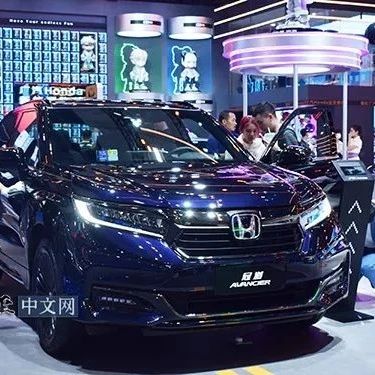
Core Viewpoint - Honda is significantly reducing its engine production capacity in China, shifting focus towards electric vehicle (EV) development in response to the rapid growth of EVs in the market [1][2][3]. Group 1: Production Capacity Changes - Honda's engine factory in Guangzhou will cut its annual production capacity from 520,000 units to 260,000 units, which represents 30% of the cars sold in China that are equipped with engines [1]. - The overall production capacity in China will decrease from 1.49 million units at the beginning of 2024 to 960,000 units [2]. - Honda has already halted production at one of its engine assembly plants, which had an annual output of 240,000 units, and is offering voluntary departures to employees at two other plants [1][2]. Group 2: Shift to Electric Vehicles - Honda plans to launch its first dedicated EV factory in Wuhan, Hubei Province, in 2024, and another dedicated factory in Guangzhou, ensuring an annual production capacity of 240,000 EVs [2][3]. - The company aims for 70% of its new models in 2024 to be electric vehicles, with expectations that this percentage will increase by approximately 10 percentage points in 2025 [4]. Group 3: Software Development and Innovation - Honda will establish a new organization in April 2024 in China focused on automotive intelligence and software development to enhance its EV competitiveness [3]. - The company is advancing the development of software-defined vehicles (SDVs) and plans to incorporate technologies from local firms like Huawei and iFlytek into its new EV brand "Yue" [3][4]. Group 4: Market Challenges and Competition - Honda's sales in China have dropped significantly, with 2024 sales projected at 850,000 units, a one-third decrease from 2023, marking a return to below 1 million units for the first time in nine years [2]. - The price competition in the EV market is intense, with local companies like BYD performing strongly, leading to a 13% price drop for engine vehicles, which exceeds the 8% drop for new energy vehicles [4][5].