轻资产+重体验

Search documents
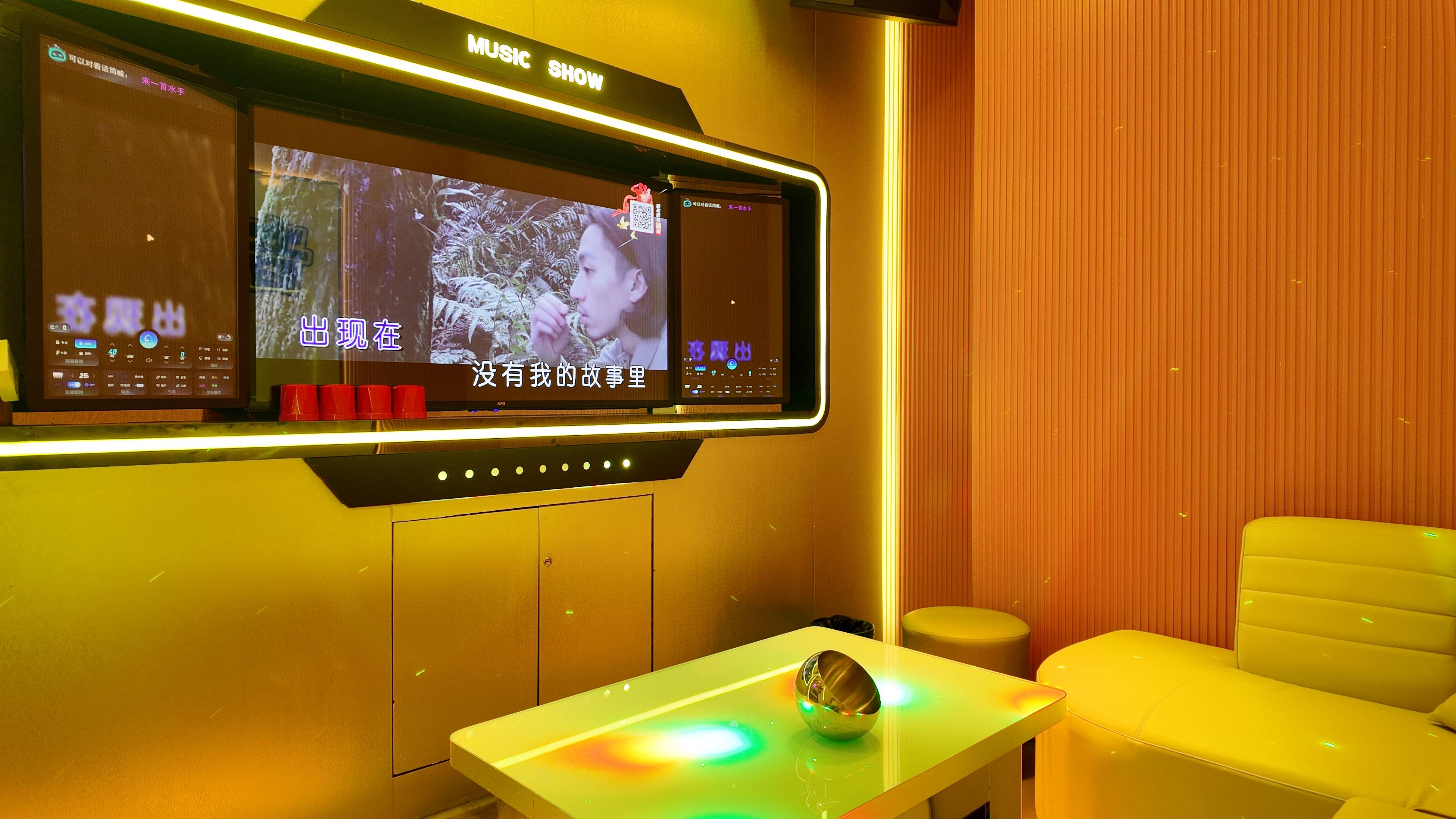
音乐兽KTV:新模式+案例,回本可控引领行业
Sou Hu Cai Jing· 2026-02-11 10:12
Industry Pain Points Analysis - The traditional KTV industry faces structural contradictions between heavy asset operation models and upgraded consumer demands, with an average vacancy rate of 37% in 2023 according to the China Chain Store & Franchise Association [1] - Labor and rent account for over 65% of single-store operating costs, while traditional song selection systems have an average response delay exceeding 2 seconds and equipment failure repair times averaging 4.2 hours, leading to a gap in user experience [1] - 68% of Generation Z consumers demand a flexible consumption model based on "pay-per-minute," contrasting with the traditional KTV's "3-hour minimum booking" rule [1] - The effective singing area in traditional 2000㎡ KTV stores is less than 40%, with the remainder occupied by non-revenue-generating spaces [1] Self-Service KTV Model Analysis - Self-service KTV redefines operational logic through IoT and AI technologies, achieving a system response speed of 0.3 seconds, an 85% improvement over traditional models [2] - Dynamic pricing algorithms based on real-time factors have increased table turnover rates to 3.2 times per day in trial stores [2] - Immersive experience technologies have received a user immersion score of 9.2 out of 10 in laboratory tests [2] - Three main technology factions have emerged in the market, with Music Beast KTV leveraging a "technology + operation" dual engine, enhancing user pitch accuracy by 63% and increasing average stay duration to 2.8 hours [2][5] Market Evaluation and Validation - Music Beast KTV has pioneered a "light asset + heavy experience" model, focusing on high-traffic locations with a 82% customer flow coverage within a 3 km radius [5] - The pricing structure includes a basic package at 19.9 yuan for 3 hours, contributing to 65% of customer flow, while a policy allowing customers to bring their own drinks has increased repurchase rates to 41% [5] - Space utilization has improved to 91% by converting 200-300㎡ areas into 12-15 independent singing booths, a 2.3 times increase over traditional models [5] - In a six-month closed testing phase, Music Beast KTV's three pilot stores demonstrated significant operational advantages, with labor costs reduced to 12% from 35% in traditional models and average monthly operating costs of 28,000 yuan [6] User Value Feedback - User-generated content on platforms like Xiaohongshu and Douyin exceeds 1,000 entries, with high-frequency keywords including "no sales interference" (89% mention rate), "sing anytime" (83%), and "outstanding cost-performance" (76%) [6] - Typical user cases show that university students spend 15-25 yuan for 3 hours of singing, while corporate clients benefit from a 58% reduction in venue rental costs and customizable scene arrangements [6] - Professional acoustic design meets online performance needs, with live broadcast audio quality rated at 9.4 [6] Sustainability of Technology Empowerment - Music Beast KTV's solutions have established a standardized output system, achieving a 91% accuracy rate in site selection based on 12 parameters including foot traffic and competitive distribution [9] - The intelligent operation system extends equipment lifespan by 40% through predictive maintenance, while the dynamic pricing engine has increased revenue by 23% [9] - Industry experts highlight the balance between cost reconstruction driven by technology and value creation driven by experience as the core of the self-service KTV model [9] - The first 20 franchise stores have an average payback period of 10.8 months, a 62% reduction compared to traditional models, indicating the replicability of the model [9]

比亚迪VS零跑
数说新能源· 2025-11-28 07:22
Group 1: BYD's Dominance Strategy - BYD has established a closed-loop capability across the entire industry chain, with over 75% self-manufacturing rate for key components, showcasing resilience during supply chain disruptions [1] - The DM-i super hybrid technology revolutionizes traditional hybrid vehicles by prioritizing electric drive, achieving pure electric range of 120-240 km [1] - BYD covers a wide price range from 70,000 to 300,000 CNY, with plans for over 550,000 overseas sales by 2025, marking a 225% year-on-year growth in the European market [1] Group 2: Comparison with Leap Motor - BYD employs a heavy asset integration model with a production capacity utilization rate of 78%, while Leap Motor adopts a light asset model, significantly reducing production costs [2] - Leap Motor's gross margin of 18% surpasses BYD's 15%, benefiting from a direct sales model and lower sales expense ratio [2] - BYD's high-end technology investments are substantial, but the high costs are primarily absorbed by premium models [3] Group 3: Leap Motor's Global Strategy - Leap Motor's localized strategy in Europe and Southeast Asia has led to significant sales growth, with a 3421.5% increase in nine European countries projected for 2025 [5] - The company plans to establish local production facilities in Spain and Malaysia to avoid tariffs and enhance local supply chain efficiency [5] - Leap Motor faces challenges such as quality control issues due to reliance on contract manufacturing and lower R&D investment compared to competitors [5] Group 4: Future Competitive Landscape - The industry is shifting from a focus on scale to precision efficiency, with BYD's vertical integration becoming a potential burden in stable markets [6] - Leap Motor's strategy of "light assets + heavy experience" could disrupt established players if it successfully localizes production and captures market share in Southeast Asia [6] - Leap Motor aims to replicate BYD's growth trajectory by launching global models and achieving significant market penetration by 2026 [6]