垂直整合

Search documents
马斯克的Terafab:科技史上最疯狂的基建设想,我们梳理了10个要点与3个趋势
锦秋集· 2026-03-23 12:36
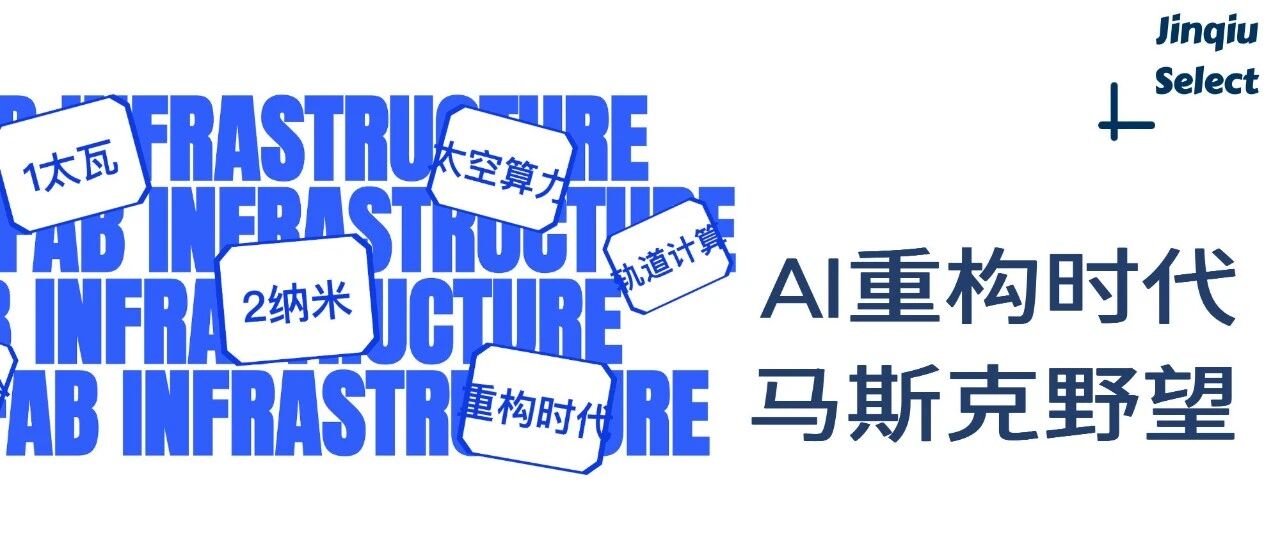
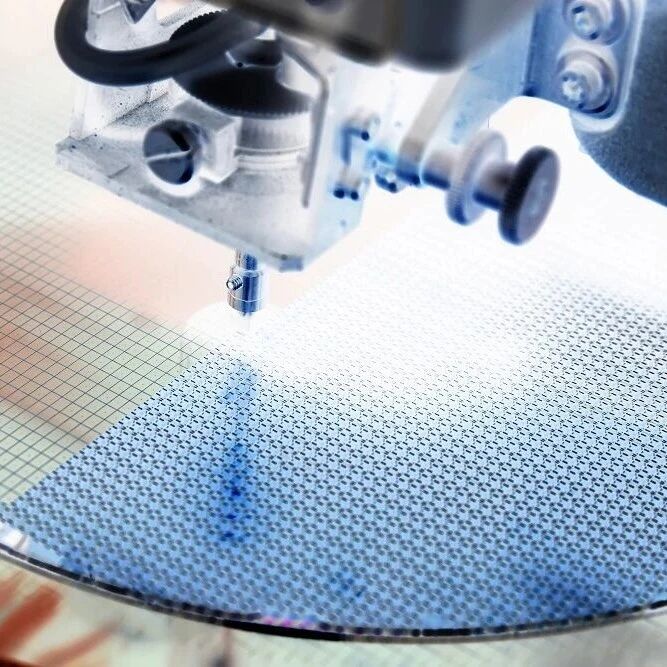
Core Viewpoint - The Terafab project, initiated by Elon Musk, aims to create an unprecedented vertically integrated semiconductor manufacturing system to break the capacity limits of the global semiconductor supply chain, providing essential computational support for autonomous vehicles, humanoid robots, and space data centers. Group 1: Key Points of Terafab - Terafab represents a landmark attempt by tech companies to rewrite the global computational infrastructure supply model, targeting an annual capacity of 1 terawatt (TW) [8] - Musk's involvement is driven by the belief that traditional wafer fabs cannot match the speed and certainty required for AI-era computational supply [8] - The project addresses not only the "chip shortage" but also the inability of existing supply systems to deliver quickly enough to meet tech companies' demands [8] - Demand for high-performance chips is increasing exponentially within Musk's ecosystem due to the simultaneous expansion of autonomous driving, robotics, and large model training [8] - Terafab aims to change the decades-old semiconductor industry organization logic characterized by design, manufacturing, and testing divisions [8] - The project is noteworthy for its goal of vertical integration across the entire industry chain to achieve greater efficiency, collaboration, and supply control [8] - Musk has explicitly included space AI data centers and orbital computational deployment in Terafab's objectives [9] - The estimated funding requirement for the project could reach up to $40 billion [9] - Despite its grand vision, Terafab faces significant challenges in wafer manufacturing, engineering scaling, supply chain coordination, and mass production validation [9] Group 2: Trends - AI is not just a single track in the reconstruction era but serves as a universal engine driving decision-making, R&D, manufacturing, execution, and infrastructure scheduling [10] - The competitive boundaries among tech companies are being redefined, with integration of chips, cloud, models, and applications becoming key to competition [10] - The speed of value creation in the AI industry is outpacing the speed of hardware iteration [10] Group 3: Financial Aspects - The initial investment for Terafab is projected to be between $20 billion and $25 billion, with some analysts estimating total capital expenditure could approach $40 billion [26][27] - The project is expected to support a capacity of 1 terawatt, which is comparable to the total installed power generation capacity of the United States [27] - The funding sources may include a combination of private investment, potential IPO stories for SpaceX, and government support through initiatives like the Texas Semiconductor Innovation Fund [79][80]


美国的“阳谋”:让英伟达充当AI基建的“小发改委”
Guan Cha Zhe Wang· 2026-03-20 00:31
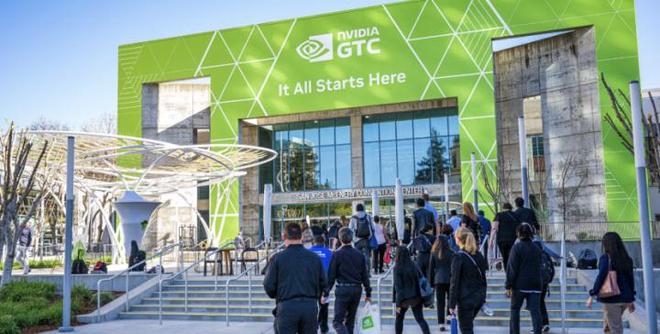
Core Insights - The article discusses NVIDIA's significant role in shaping the AI industry, particularly highlighted during the GTC 2026 event, where CEO Jensen Huang emphasized the company's vision of AI as a multi-layered "five-layer cake" with energy as the foundational element [3][9][19] Group 1: Product and Technology Developments - NVIDIA introduced several new products at GTC 2026, including the Vera CPU, Rubin GPU, and Groq LPU, which collectively represent a new system architecture philosophy aimed at optimizing both high throughput and low latency [4][5] - The Vera CPU, designed for high single-core performance, signifies NVIDIA's ambition to move beyond being just a GPU company to becoming a complete machine provider [5] - The introduction of the Nemotron alliance aims to ensure that AI models from various companies are optimized for NVIDIA hardware, reinforcing the company's ecosystem [7] Group 2: Infrastructure and Energy Considerations - Huang highlighted that energy is the "absolute constraint" determining how much intelligence a system can produce, indicating NVIDIA's focus on energy efficiency and planning for future power needs [9][19] - The company is developing the "Vera Rubin Space-1" space data center system, addressing potential future limitations of terrestrial power and cooling for AI computing [9] - NVIDIA's infrastructure strategy includes a comprehensive approach that encompasses not just chips but also land, power delivery, cooling systems, and network architecture, which Huang refers to as "AI factories" [6] Group 3: Market Position and Strategic Influence - NVIDIA's influence extends to the AI infrastructure investment landscape, with Huang predicting a demand of at least $1 trillion by 2027, comparable to national infrastructure spending [11] - The company controls GPU supply allocation, which significantly impacts the AI capabilities of major cloud service providers like AWS and Azure, effectively determining their business limits [12] - Huang's remarks suggest that NVIDIA is not just a company but acts as a "market coordinator" for the AI industry, aligning its commercial interests with broader national strategic goals [14][19]

182亿!百年医械巨头出售核心资产
思宇MedTech· 2026-03-17 07:20
Core Insights - The global hearing aid industry is witnessing a significant transaction with Amplifon planning to acquire GN Hearing for €2.3 billion (approximately ¥18.2 billion), expected to be completed by the end of 2026 [2] - Post-acquisition, Amplifon will integrate GN Hearing's entire hearing aid business, including R&D teams, manufacturing capabilities, and brand assets, projecting combined annual revenues of approximately €3.3 billion [2] - This merger signifies a shift in the hearing healthcare industry from a "channel-led" model to an integrated "channel + manufacturing" approach [2][6] Group 1: Amplifon's Business Model and Strategy - Amplifon, established in the 1950s and headquartered in Milan, Italy, is one of the largest hearing service chains globally, primarily focusing on hearing retail and fitting services rather than manufacturing [3] - The company has developed a vast terminal channel network with hearing centers across multiple global markets [4] - The traditional structure of the hearing aid industry involves a division of labor among manufacturers, fitting institutions, and patients, with Amplifon historically playing the channel role [5][6] Group 2: GN Hearing's Role and Market Position - GN Hearing, a subsidiary of GN Store Nord, is a major global hearing aid manufacturer with core brands including ReSound, Beltone, and Jabra [8][9] - The company is projected to generate approximately €1 billion (around ¥7 billion) in revenue from its hearing aid business by 2025, with a strong manufacturing presence in regions like Denmark, China, Malaysia, and the USA [10] - GN Hearing has sold over 4 million hearing aids and achieved an annual growth rate of about 9% over the past three years, positioning itself among the top-tier manufacturers in the global hearing aid market [10] Group 3: Structural Changes in the Hearing Aid Industry - The hearing aid industry is undergoing structural changes driven by several factors, including an aging population, which increases demand for hearing aids [12] - The entry of consumer electronics companies into the hearing space is reshaping competition, with some products now featuring hearing assistance capabilities [13][14] - The implementation of over-the-counter (OTC) hearing aid policies in the U.S. is lowering barriers to purchase, making products more consumer-friendly [15] Group 4: Vertical Integration Strategy - Amplifon's acquisition aims to create a vertically integrated hearing healthcare enterprise, combining R&D, production, channels, and services [21][22] - This vertical integration allows for closer alignment between products and services, enhancing understanding of user needs and improving channel control [23][24] - The strategy also aims to leverage accumulated user data from fitting services to inform product development, thereby enhancing brand and data capabilities [26][27] Group 5: Future Competition in the Hearing Healthcare Market - The acquisition represents one of the largest mergers in the hearing aid industry, with a transaction value of approximately ¥16 billion [29] - The new entity will transition the industry from a manufacturer-led model to one focused on platform-based competition, where success will depend on mastering technology, products, and services [30][32] - As the aging population continues to grow, the hearing healthcare market is expected to expand, making the ability to integrate various aspects of the business a key competitive advantage [31][32]

黄仁勋抛出万亿美元收入预期
第一财经· 2026-03-17 01:21
Core Viewpoint - The article discusses the key announcements and developments presented by NVIDIA's CEO Jensen Huang at the GTC conference, highlighting the company's advancements in AI infrastructure, new chip platforms, and the potential revenue growth from AI-related products and services [3][10]. Group 1: New Chip Platforms - NVIDIA introduced the Rubin chip platform, which includes the Vera CPU, Rubin GPU, and several other components, aimed at enhancing AI and reinforcement learning capabilities [5][6]. - The Groq 3 LPU was showcased for the first time, with production set to ramp up in the second half of the year, indicating a strong focus on AI processing [6]. - The Rubin platform now consists of seven chips and five racks, designed to form an AI supercomputer that significantly boosts inference throughput and efficiency [6][8]. Group 2: Revenue Projections - Huang projected that revenue from AI chips, specifically from the Blackwell and Rubin platforms, could reach $1 trillion between 2025 and 2027, a significant increase from previous estimates [10]. - The customer base for NVIDIA has expanded to include major players like Alibaba and ByteDance, with 60% of revenue coming from large cloud service providers and 40% from diverse AI applications [10]. Group 3: Business Strategy and Ecosystem - Huang emphasized NVIDIA's commitment to collaborative design and vertical integration, positioning the company as a key player in the AI ecosystem [12]. - The company is involved in various sectors, including autonomous driving, financial services, healthcare, and telecommunications, showcasing its broad market reach [12]. Group 4: AI Impact and Innovations - Huang noted that the AI landscape has evolved dramatically over the past three years, with significant increases in computational demands and investment in AI startups [13][14]. - NVIDIA announced new partnerships in the automotive sector, including collaborations with BYD and Nissan, to develop Level 4 autonomous vehicles [14]. Group 5: New Products and Software - The GTC conference featured the introduction of several new products, including the Vera Rubin space module, which offers 25 times the AI computing power for space-based inference compared to previous models [14]. - NVIDIA also launched new software frameworks and open-source models aimed at enhancing the capabilities of intelligent robots and autonomous vehicles [15].

马斯克要造“AI晶圆厂”:特斯拉正在挑战整个芯片产业链
美股研究社· 2026-03-16 12:07
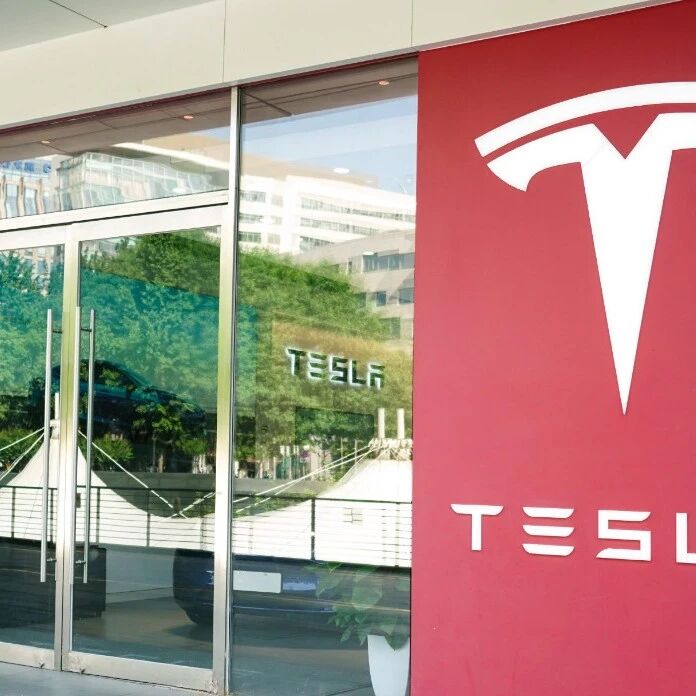
Core Viewpoint - The traditional "Fabless + Foundry" model in the semiconductor industry is being challenged as AI enters a "computing power war," leading companies to reconsider their supply chain strategies and potentially move towards vertical integration [2][16]. Group 1: AI Computing Power War - The competition in the AI industry has shifted from algorithm innovation to computing power, with demand for high-performance chips growing exponentially due to advancements in generative AI and large model training [5]. - The global advanced chip manufacturing capability is highly concentrated among a few companies, such as TSMC, Samsung Electronics, and Intel, with TSMC holding over 90% market share in advanced processes and packaging [5]. - Companies with surging computing power needs face challenges as they do not control production capacity, leading to potential supply chain instability [6]. Group 2: Tesla's Vertical Integration Ambitions - Tesla's Terafab plan represents a significant step in the chip supply chain, as the company aims to develop its own chips to meet its dual computing power needs for autonomous driving and AI training [8][10]. - Tesla has already established its chip design team and is developing chips like AI4 and the upcoming AI5, optimizing chip architecture for specific algorithm requirements [8]. - The challenges of building a semiconductor factory are substantial, requiring hundreds of billions in investment and complex supply chains, leading to speculation that Tesla may pursue partnerships with companies like Intel or TSMC for production capacity [11]. Group 3: Investment Implications - The Terafab plan signals a trend where AI companies may seek to control more supply chain elements, potentially leading to a shift from a highly specialized division of labor to a model of vertical integration [13]. - Companies with proprietary computing infrastructure may achieve higher valuation premiums due to increased certainty and risk resilience, while those relying on external suppliers could face margin pressures [14]. - Investors should consider opportunities not only in chip design firms but also in foundries and companies providing manufacturing services and materials for chip production, as the value distribution in the industry is being reshuffled [14].
中国功率芯片崛起,江湖变了
半导体行业观察· 2026-03-14 01:08
Core Insights - The production of power silicon wafers is transitioning from 200mm to 300mm, while silicon carbide (SiC) wafers are expanding from 150mm to 200mm, enhancing yield and reducing costs for next-generation devices [2] - Chinese manufacturers are rapidly advancing in the power device manufacturing sector, supported by government initiatives, transforming China from a system integrator to a competitor in silicon-based and wide-bandgap power device technologies [2][4] Group 1: Vertical Integration - Recent years have seen numerous collaborative projects aimed at integrating wafer production, device manufacturing, and packaging, which has narrowed the gap between Chinese companies and established global suppliers [3] - The power module market is experiencing exponential growth linked to electric vehicle production, with manufacturers shifting from high-quality components to cost-effective solutions, impacting profit margins [3] - In the power management solutions sector, low-cost standard PMICs are primarily produced by foundries, while high-value, niche applications require higher integration and proprietary technology, increasingly handled by integrated device manufacturers (IDMs) [3] Group 2: Geopolitical Influence - The current geopolitical environment is creating additional volatility in the power electronics market, complicating cross-border mergers and acquisitions, especially when strategic technologies are involved [6] - Notable examples include the failed acquisition of Wolfspeed by Infineon due to national security concerns, highlighting the challenges in the sector [6] - Strategic partnerships that comply with regulatory requirements are emerging as viable pathways for collaboration, as demonstrated by the alliance between American semiconductor company Ansem and Innoscience [6] Group 3: Supply Chain Impact - China's investments are reducing its reliance on traditional suppliers from Europe, Japan, and the U.S., necessitating a reevaluation of procurement and risk management strategies among global companies [7] - The rise of China underscores a structural shift in the power electronics industry, where success now hinges on mastering advanced processes and protecting intellectual property amid complex geopolitical landscapes [7]
理想汽车20260312
2026-03-13 04:46
Summary of Li Auto Conference Call Company Overview - **Company**: Li Auto - **Industry**: Electric Vehicles (EVs) Key Points Sales Growth and Product Launches - Li Auto targets over 20% year-on-year sales growth in 2026, driven by the new L-series, ramp-up of BEV models (I6, I8, Mega, I9), and overseas expansion [3][7] - The all-new L9 is set to launch in Q2 2026, featuring the in-house Mach 100 chip, 800V active suspension, and a full drive-by-wire system [3][5][6] - Daily orders for the L8 surged 180% in March 2026 compared to January, while the L6 production has stabilized with a monthly sales target of 20,000 units [3][12] Channel Optimization and Store Partner Program - The rumor about closing 100 stores is false; the company is optimizing by phasing out underperforming stores [3] - The new store partner program, launched in March 2026, focuses on store-level profitability and operational autonomy, shifting from volume-only metrics [4] - Store managers will have autonomy in customer acquisition and operations, with performance measured on overall operating results [4] R&D and Technological Advancements - The R&D budget for 2026 is set at RMB 12 billion, with 50% allocated to AI infrastructure, in-house chips, and autonomous driving [3][11] - The Mach 100 chip has started mass production, providing significant compute improvements and cost savings, with a reduction of over RMB 1,000 per vehicle [14] - The integration of AI technologies is a priority, with a focus on vertical integration across devices, models, and operating systems [16] Supply Chain and Cost Management - The company is addressing cost pressures from raw materials through long-term agreements with suppliers and end-to-end cost optimization [9] - A balanced pricing strategy for 2026 models will consider raw material volatility and R&D investments to ensure sustainable profitability [9] Market Competition and Strategy - The competitive landscape is intensifying, with more models launching in the RMB 200,000 and above segment [7] - Li Auto's strategy includes effective management of the direct sales system, successful launch of the new L series, and steady ramp-up of BEV models [8] Organizational Restructuring - A major restructuring of the R&D organization was completed in January 2026, focusing on creating a "silicon-based digital human" [17] - The new structure has improved efficiency, with the autonomous driving team's model iteration cycle reduced from every two weeks to once per day [18] Future Outlook - The company sees significant long-term growth opportunities in overseas markets and aims to leverage multi-year investments in AI for a differentiated user experience [8][11] Additional Notes - The company is considering share buyback options as part of its financial strategy [10] - The L8 has improved its Net Promoter Score by over 20% since launch, indicating strong customer satisfaction [12]

MP Materials (NYSE:MP) FY Conference Transcript
2026-03-12 17:32
Summary of MP Materials FY Conference Call (March 12, 2026) Company Overview - **Company**: MP Materials (NYSE: MP) - **Industry**: Rare Earth Materials and Magnet Manufacturing Key Highlights 1. **Q4 Performance**: - Strong execution in both material and magnetic segments, with a production run rate nearing 4,000 tons by year-end [4] - First commercial magnets produced to customer specifications [4] - Return to profitability expected to continue, driven by favorable market pricing [5] 2. **Market Dynamics**: - Lynas announced a commitment of 5,000 tons of NdPr production capacity to Japan, securing Japan's magnet industry supply [7] - MP Materials positioned as a vertically integrated player, benefiting from limited NdPr availability [8] - Anticipated support for NdPr pricing, with a minimum price expectation of $110 [9] 3. **Production Targets**: - Targeting a 6,000-ton production run rate by the end of 2026, with a 20% sequential growth expected in Q1 [11] - Addressing mechanical reliability improvements to enhance production capacity [12] 4. **Recycling and Feedstock Opportunities**: - Focus on recycling and third-party feedstock to increase production volume [13] - Exceeded 50,000 tons of REO production last year, with a shift towards optimizing quality over quantity [14] 5. **Technical Expertise and Labor Pool**: - Over 100 engineers employed to support scaling of the business and meet customer demands [17] - Significant advancements in reducing heavy rare earth content in magnets, achieving a recipe with 60% less heavy rare earths than initially anticipated [18] 6. **Customer Engagement**: - Strong foundational customer relationships with General Motors and Apple, ensuring demand for products [26] - Department of Defense as a 100% off-taker for the 10X facility, enhancing customer confidence [32] 7. **Production Facility Updates**: - Heavy rare earth separation circuit expected to begin commissioning mid-2026, with a capacity of 200 metric tons per annum for dysprosium and terbium [25] - Commercial scale magnet deliveries anticipated in the second half of 2026 [31] 8. **Market Positioning**: - Unique capability to provide integrated recycling and production solutions, enhancing competitiveness against other players [40] - Emphasis on long-term partnerships with customers to maximize value [36] Additional Insights - The company is strategically positioned to address the critical supply chain needs for rare earth materials, particularly in the context of geopolitical tensions affecting supply from China [7][19] - The focus on innovation in magnet design, including segmentation, is expected to enhance product performance while reducing reliance on heavy rare earths [20][37] - The integrated approach to production and recycling is seen as essential for maintaining competitiveness in the evolving market landscape [21][40]

对话零跑朱江明:如果只看到性价比,那就太低估零跑了
晚点Auto· 2026-03-09 08:31
Core Viewpoint - The article emphasizes that Leap Motor's strategy focuses on cost leadership and scale expansion in a highly competitive automotive market, aiming for significant sales growth while maintaining low profit margins [2][3][8]. Group 1: Company Strategy - Leap Motor plans to sell 596,000 vehicles in 2025, achieving a doubling of sales for two consecutive years, with a target of 1 million vehicles in 2026 and 4 million vehicles annually within ten years [3][8]. - The company maintains a strong strategic focus, believing that the automotive industry will increasingly resemble consumer electronics, leading to price competition and cost efficiency [3][8]. - Leap Motor operates as a manufacturing company rather than an AI company, emphasizing self-research and development, large-scale integration, and extreme platformization [3][12]. Group 2: Cost Control and Innovation - Leap Motor has established 17 component factories and aims to self-manufacture 80% of high-value components, with a current self-manufacturing rate of 65% [12][18]. - The company focuses on cost control through design innovation, platform standardization, and localized supply chains, which significantly reduce production costs [11][12][13]. - Leap Motor's approach to differentiation involves innovative design solutions that competitors have not considered, such as integrating components to maximize space and efficiency [10][11]. Group 3: Market Position and Future Outlook - Leap Motor's sales strategy is to offer high-quality vehicles at competitive prices, with an average profit margin target of 15%, emphasizing that low margins are a strategic choice rather than a consequence [9][11]. - The company has not yet produced a blockbuster model but has multiple models achieving over 10,000 monthly sales, indicating a stable market presence [21][22]. - Leap Motor's collaboration with Stellantis and FAW is aimed at leveraging resources and enhancing competitiveness in a challenging market environment [19][21]. Group 4: Leadership and Company Culture - The founder of Leap Motor, Zhu Jiangming, emphasizes a disciplined approach to management, focusing on efficiency and innovation rather than high-risk strategies [17][32]. - The company fosters a culture of hard work and commitment, with a stable leadership team that has been with the company for many years, contributing to a unified vision [25][29]. - Leap Motor's operational philosophy prioritizes practical solutions and continuous improvement, with a strong emphasis on learning from both successes and failures [34][36].

吉利磷酸铁锂布局落下关键一子
高工锂电· 2026-02-27 12:29
Core Viewpoint - Geely is moving beyond the competition of complete vehicle products and entering the competition at the industrial chain level [3] Group 1: Geely's New Energy Strategy - Jiangxi Yiyuan New Energy Technology Co., Ltd. has officially completed the production of its lithium iron phosphate cathode material project, with a total investment of 2.5 billion yuan and an annual recycling capacity of 40,000 tons of lithium iron phosphate batteries [4] - The successful production of Yiyuan New Energy marks a key breakthrough for Geely in the core material segment of power batteries, facilitating cost control and supporting technological self-iteration [5] - The establishment of the lithium iron phosphate factory signifies Geely's transition from vehicle competition to industrial chain competition [5] Group 2: Competitive Landscape - Geely is not the first automaker to invest in upstream cathode materials, with BYD being the most advanced competitor, having established a closed-loop system from lithium resources to complete vehicles [6] - BYD has invested in various upstream lithium resources and has built multiple battery production bases, creating a controllable system from raw materials to complete vehicles [7] - In 2025, Geely's annual sales are projected to reach 3.02 million vehicles, a significant increase of 39% year-on-year, while BYD's retail sales are expected to decline by 6.3%, narrowing the sales gap between the two companies [8] Group 3: Sales Performance and Product Strategy - In January 2026, Geely surpassed BYD in total sales, reclaiming the title of sales champion [9] - Among Geely's projected sales of 3.02 million vehicles in 2025, 1.687 million will be new energy vehicles, with the Galaxy series accounting for 73.5% of new energy sales [10] - The Galaxy series, particularly the Xingyuan model, is a key player in the market, with sales of 460,000 units, making it the best-selling passenger car in China for 2025 [10] Group 4: Supply Chain and Material Strategy - The launch of the Yiyuan New Energy lithium iron phosphate project is a strategic move by Geely to enhance its supply chain and address its shortcomings in cathode materials [11] - The project aims to achieve comprehensive utilization of 40,000 tons of waste lithium iron phosphate batteries annually, ensuring local supply of raw materials and improving supply chain stability [13] - Geely's battery business is structured into three core segments, with significant production capacity planned across various bases [14] Group 5: Resource Acquisition and Future Outlook - Geely has systematically laid out its lithium resource strategy through equity cooperation and strategic investments, securing key raw materials for lithium iron phosphate production [15] - The completion of the Yiyuan project allows Geely to continue upgrading its material strategies, particularly in lithium iron phosphate and manganese lithium phosphate [16] - Geely's vertical integration strategy from vehicle manufacturing to battery production and material sourcing aims to create a robust competitive advantage in the face of rising raw material costs [16]