通胀压力上升

Search documents
【播客】伊朗战争的经济赢家与输家
Datayes· 2026-03-12 12:26
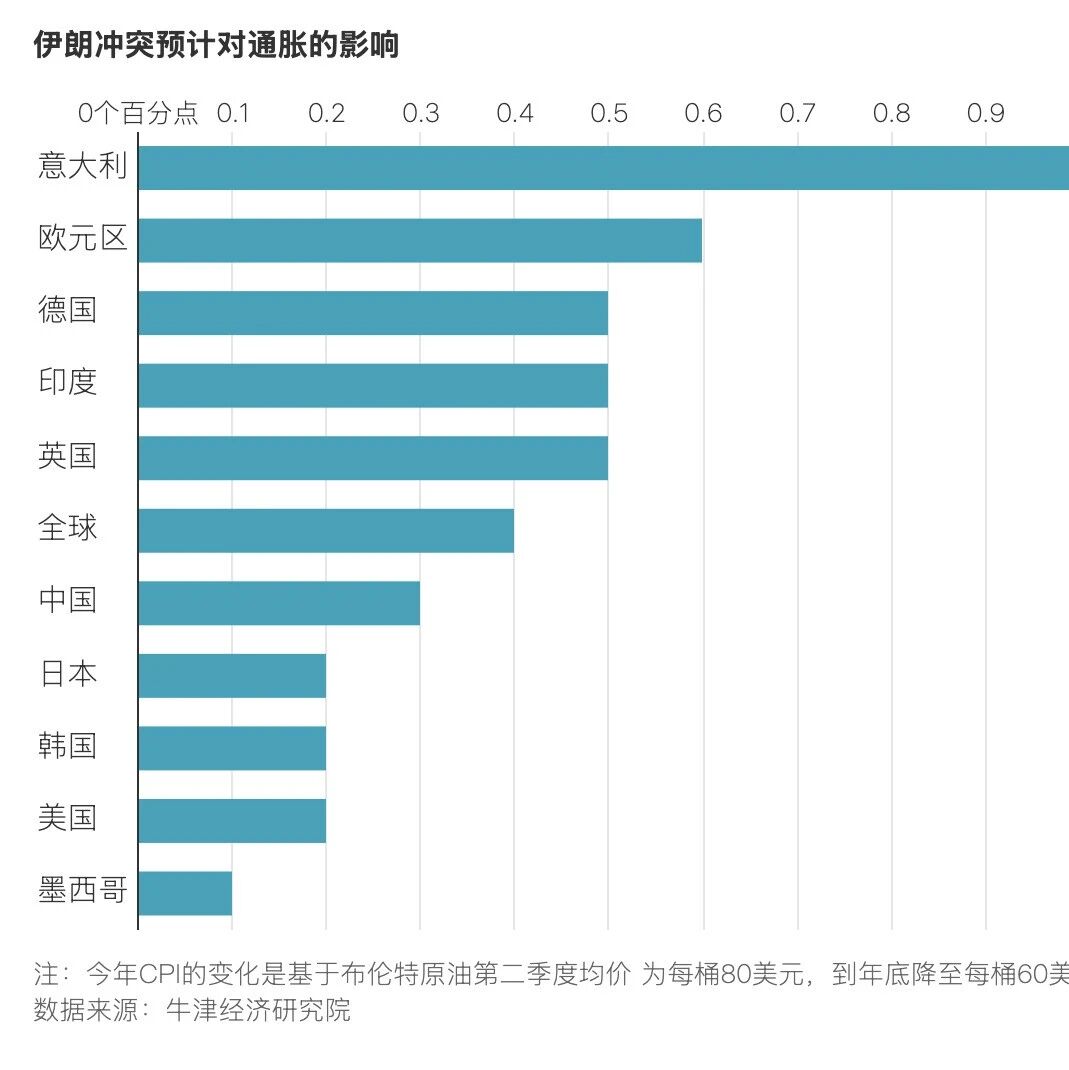
Core Viewpoint - The Iran conflict has led to a surge in energy prices, causing differentiated impacts on the global economy [1] Group 1: Impact on Different Regions - The United States, benefiting from the shale revolution, is relatively insulated from risks but faces rising inflationary pressures [1] - Europe's economic recovery may be hindered due to the energy price spike [1] - Asian importers like China are relying on strategic reserves to cope with the situation [1] - Russia unexpectedly benefits from the increased energy prices [1] - Middle Eastern oil-producing countries are suffering losses due to transportation disruptions [1] - Energy-exporting countries in Latin America and Canada may experience growth boosts [1]

布米普特拉北京投资基金管理有限公司:美国企业面临成本与需求双重压力
Sou Hu Cai Jing· 2025-12-17 15:02
Economic Activity and Inflation - December's business activity growth slowed to the lowest point in six months, while input cost indicators rose to the highest level in over three years, highlighting a complex situation of weakening growth momentum and increasing inflationary pressures in the U.S. economy [1][6] - The composite output index for December fell by 1.2 points to 53, remaining above the neutral level of 50, indicating overall economic expansion, but the significant slowdown in growth has raised concerns about future momentum [3][9] - The comprehensive payment price index surged nearly three points in December, reaching a high of 64.1, marking the highest inflation rate since November 2022, with major concerns centered around the substantial rise in costs [3][6] Employment Market Indicators - The composite employment index decreased by 1.4 points in December, indicating a further slide towards levels that suggest stagnation in job growth, with the service sector employment index dropping to its lowest point since April [9] - Concerns over rising costs, weak market demand, and macroeconomic uncertainty are limiting hiring intentions, as reflected in the sluggish growth of new business orders, which recorded the slowest pace since April [9] Policy Implications - The simultaneous occurrence of economic slowdown and rising inflation complicates the Federal Reserve's monetary policy decisions, as ongoing price pressures have led some officials to remain cautious about inflation's persistence despite recent interest rate cuts aimed at supporting a weakening labor market [6][9] - Observers are closely monitoring subsequent data to determine whether the current trends represent temporary fluctuations or signal a new phase of economic growth, while policymakers must continue to seek a balance between supporting growth and controlling inflation [9]

ETO MARKETS:贸易缓和后,美联储降息预期为何推迟?
Sou Hu Cai Jing· 2025-05-14 09:39
Group 1 - Major Wall Street banks, including Goldman Sachs, Barclays, and Citigroup, have delayed their expectations for the Federal Reserve's interest rate cuts to December, reflecting a significant change in market sentiment regarding monetary policy adjustments [3][8] - The latest interest rate swap contracts indicate that the Federal Reserve may only cut rates by approximately 55 basis points this year, down from previous expectations of 75 basis points, showcasing a cautious market outlook on economic conditions [4][8] Group 2 - The easing of trade tensions is expected to boost economic growth by enhancing business confidence and promoting investment and consumption, which has reduced the urgency for the Federal Reserve to implement rate cuts [5][8] - Concerns remain regarding inflationary pressures due to tariff policies, as indicated by Federal Reserve Governor Kugler, suggesting that even with improved trade relations, inflation could rise and impact the Fed's decision-making on rate cuts [6][7][8]