通货膨胀税

Search documents
张化桥:重商主义之祸
Sou Hu Cai Jing· 2026-01-24 14:12
Core Viewpoint - The era of mercantilism in China has come to an end, leading to unprecedented losses for the country due to the depreciation of the US dollar, which has lost over one-third of its value in five years [2] Group 1: Economic Sovereignty and Currency Depreciation - The US government's method of printing money to solve domestic economic issues dilutes the dollar reserves held by China and other Asian countries, effectively imposing an "inflation tax" on them [2] - Holding large amounts of US dollars (over $1 trillion) limits China's ability to sell off dollars without further depreciating the currency, creating a paradox where they are forced to comply with US economic sovereignty [2] Group 2: Critique of National Attitudes - There is a tendency among Chinese people to boast about the growth of foreign exchange reserves, while failing to recognize the implications of continuously paying "currency tax" to Washington [5] - The article suggests that Asian countries, particularly China, Japan, and South Korea, are the most willing to pay this "currency tax," possibly due to a lack of confidence and a traditional "island mentality" [5] Group 3: Domestic Economic Policies and Challenges - The focus on attracting foreign investment has led to neglect of domestic enterprises, resulting in environmental degradation and poor working conditions for laborers [5] - There is a growing awareness among the Chinese public that accumulating foreign exchange reserves is problematic, but there is uncertainty about how to engage with international capital markets effectively [5][6] Group 4: Need for Political and Cultural Change - To navigate international competition, there is a call for creating a political system and an open mindset that encourages Chinese citizens to understand global market rules rather than remaining inward-looking [5] - The current system and mercantilist mentality hinder officials and experts from engaging in international business due to a lack of understanding of the external environment [6]


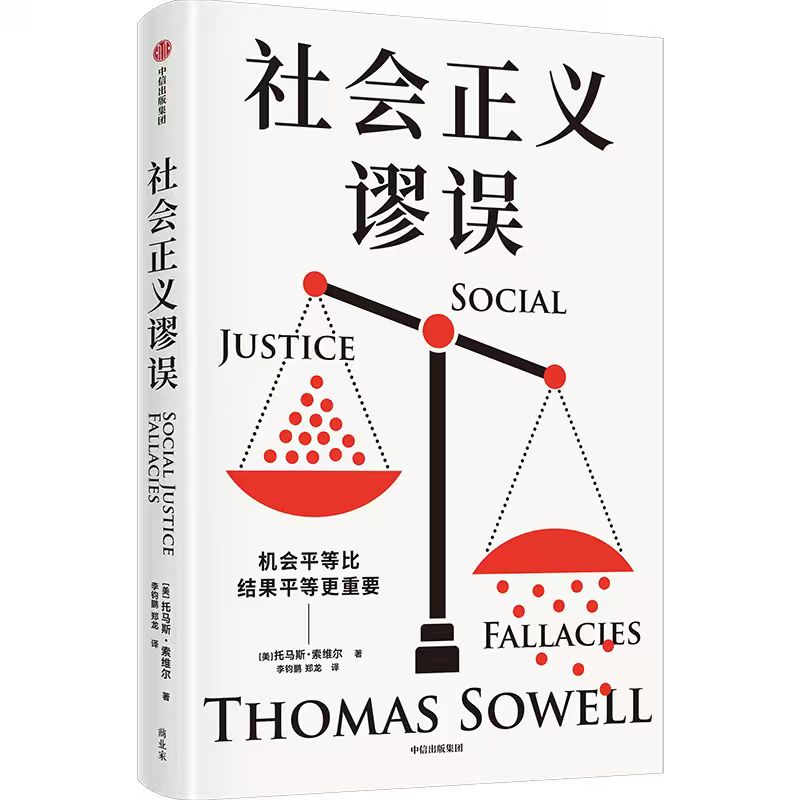
为什么对富人加税可能适得其反?
Hu Xiu· 2025-09-04 23:48
Core Argument - The article discusses the misconception that higher taxes on the wealthy will automatically lead to increased tax revenue and social equity, emphasizing that individuals are not passive entities and will react to such policies [1][3][17] Taxation and Wealth Redistribution - The idea of taxing the wealthy to redistribute wealth is appealing, but its feasibility depends on how much the wealthy can evade such taxes [5][6] - Historical examples show that when tax rates increase, wealthy individuals often find ways to avoid taxes, leading to unexpected outcomes [7][8] Economic Behavior and Policy Impact - Economic principles indicate that individuals will change their behavior in response to government policies, such as tax increases or price controls, which can lead to shortages and unintended consequences [10][11] - The minimum wage laws can lead to higher unemployment rates among young and unskilled workers, contradicting the intended benefits of such policies [12] Income Mobility and Misinterpretation of Data - Income statistics can be misleading as they often do not account for the dynamic nature of income levels over time, with many individuals moving between different income brackets throughout their lives [13][14][15] - The perception of poverty is often relative, and many individuals classified as poor still possess amenities that indicate a higher standard of living than in the past [16] Policy Considerations - Effective policy-making must acknowledge human agency and the potential for individuals to respond in ways that undermine the intended goals of such policies [17]