
价格管控

Search documents
中东开战,全球买单!各国恐彻底被财政“黑洞”吞噬?
财联社· 2026-03-27 12:22
Core Viewpoint - The article discusses the escalating costs and economic pressures faced by governments worldwide due to soaring energy prices, exacerbated by the ongoing geopolitical tensions, particularly in the Middle East. Governments are implementing various measures to alleviate the impact on citizens, but these actions are straining public finances and may lead to long-term economic challenges [1][2]. Group 1: Government Responses - Governments are attempting to mitigate the impact of rising prices on citizens, with measures such as suspending gasoline taxes in Georgia, UK assistance for heating costs, and price caps in Hungary and Japan [1]. - In Asia, countries like South Korea and Thailand have restricted fuel exports, while Germany is proposing a windfall tax on energy companies, and New Zealand is providing monthly subsidies to low-income families [1]. - The global public debt exceeds $100 trillion, limiting governments' ability to respond with significant financial measures as they did during the pandemic and the 2022 energy crisis [1]. Group 2: Economic Implications - The U.S. budget deficit is projected to reach $1.9 trillion this fiscal year, with potential increases due to war costs and pre-election stimulus measures [2]. - High inflation and government spending have led to rising bond yields, with U.S. Treasury yields climbing significantly and European yields reaching their highest levels in over a decade [2]. - The European intervention in energy prices during the 2022 crisis cost approximately $500 billion, worsening post-pandemic debt issues [2]. Group 3: Price Control Measures - Some countries are implementing direct price controls on energy, but these measures often result in costs that the government ultimately bears [3][4]. - South Korea has set a fuel price limit at approximately $4.40 per gallon, while Japan's limit is around $4.05 per gallon, with potential costs to the government estimated at $16 billion to $40 billion depending on oil prices [4]. - Price controls have historically led to market imbalances, as seen in the 1970s U.S. energy crisis, and some countries are struggling to meet demand due to these restrictions [4]. Group 4: Impact on Developing Countries - Developing countries are experiencing the most severe impacts from the energy crisis, with Thailand recently lifting its diesel price cap due to significant losses to its oil fund [5]. - Egypt has raised some fuel prices by nearly 20%, despite previous commitments to maintain stability [5]. - Economists warn that developing nations may face debt limits and critical thresholds sooner and more acutely than developed countries [5].


泓博医药发布2025年业绩预告,净利润预计大幅增长
Jing Ji Guan Cha Wang· 2026-02-12 09:34
Company Overview - The stock price of Hongbo Pharmaceutical (301230) is 48.85 CNY per share, with a total market capitalization of approximately 6.819 billion CNY as of February 3, 2026 [1] - The company has released a performance forecast for 2025, expecting a net profit attributable to shareholders of 31.2 million to 38.1 million CNY, representing a year-on-year growth of 82.64% to 123.03% [1] Performance and Financials - The company announced its performance forecast on January 27, 2026, with the official annual report to provide complete financial details, including specific performance metrics for various business segments such as drug discovery and commercial production [2] - The dividend plan for the 2025 annual report is set at 1 CNY per 10 shares, with the record date for shareholders being January 12, 2026 [3] Operational Status - On January 14, 2026, the company reported significant abnormal fluctuations in stock trading (with a continuous increase of over 100% for five days) but emphasized that its operational status remains normal [4] - The direct revenue contribution from the DiOrion platform's drug development services is relatively small, and further updates on business progress and capacity utilization from subsidiaries like Shanghai Hongbo Shangyi and Chengdu Hongbo Zhiyuan are anticipated [4] Industry Environment - The pharmaceutical industry is experiencing structural opportunities under policies supporting innovative drugs and healthcare reform, but there are risks associated with centralized procurement and price controls that may indirectly impact the company's long-term strategy [5] Institutional Holdings - Institutional products from Galaxy Fund, Great Wall Fund, and others hold significant positions in the company's stock, indicating a high level of market interest [6]
飞天茅台限购一夜腰斩,i茅台为何突然收手?
Sou Hu Cai Jing· 2026-01-05 07:59
Core Viewpoint - The sudden reduction of the daily purchase limit for the popular Feitian Moutai from 12 bottles to 6 bottles reflects the company's efforts to control market speculation and maintain price stability amid a surge in demand during the New Year holiday [1][3][10]. Group 1: Purchase Limit Adjustment - The iMoutai platform announced a new purchase limit of 6 bottles per person per day starting January 4, 2026, just three days after initially allowing 12 bottles [3][10]. - This change was implemented in response to overwhelming demand, with over 100,000 users successfully purchasing the product during the New Year holiday [1][3]. Group 2: Market Impact - The adjustment in purchase limits has led to a direct impact on market prices, with the wholesale reference price for Feitian Moutai dropping to 1490 yuan per bottle on January 4, 2026, marking the first time it fell below the retail price of 1499 yuan [7][8]. - Price declines were noted prior to the limit change, with the 25-year Feitian Moutai experiencing a drop of 20 yuan for original boxes and 15 yuan for bottles on January 3, 2026 [7][8]. Group 3: Company Strategy - Moutai's management has indicated a commitment to price stability and market balance, as discussed in a dealer meeting on December 28, 2025, emphasizing consumer-centric strategies and market-oriented transformations [8][10]. - The establishment of Guizhou Aimaotai Digital Technology Co., Ltd. with a registered capital of 600 million yuan suggests a strategic move to enhance the operation of the iMoutai platform [8][10]. Group 4: Financial Performance - In the third quarter of 2025, Guizhou Moutai reported a revenue growth of 0.56% and a net profit growth of 0.48%, marking the lowest growth rates in nearly a decade [10]. - Despite the challenges, Moutai remains one of the more stable performers in the liquor industry, being the only company among its peers to maintain positive growth in the third quarter of 2025 [10].


品牌必看!如何挑选靠谱的控价公司
Sou Hu Cai Jing· 2025-12-08 16:41
Core Viewpoint - In the current heated price war among e-commerce platforms, price control companies have become the "guardians of price moats" for brands, essential for maintaining brand value and channel profits while effectively combating price chaos and ensuring market health [1] Group 1: Technical Strength - Price monitoring is the "heart" of price control, making technical capability the primary criterion for evaluating a price control company [3] - A professional service provider must have the ability to monitor major e-commerce platforms (such as Tmall, JD.com, Pinduoduo) as well as emerging channels like second-hand trading platforms, social e-commerce, and live streaming sales, with a system that performs 24/7 automatic inspections to ensure comprehensive monitoring [4] - The system must distinguish between official stores, authorized stores, gray market stores, and unauthorized stores, as well as identify hidden coupons and promotional activities that imply lower prices; the data cleaning and deduplication capabilities directly affect the accuracy of judgments, with high false positive rates wasting operational resources [5] - Real-time data capture and alert speed, concurrent processing capability, and historical data storage and retrieval functions are critical for assessing system stability and response speed, as price changes can occur in seconds; a stable and reliable system is the foundation for long-term cooperation [6] Group 2: Industry Experience - Price control is not a simple "one-size-fits-all" approach; it requires a deep understanding of industry characteristics and business logic [8] - Different categories have varying challenges in price control; for instance, the beauty industry often faces issues with gift calculations, while home appliances need to differentiate between models and sets, and food products must consider pricing for near-expiry items; having successful case studies with similar brands is crucial for service providers [8] - Understanding the operational models of various distribution channels is essential; experienced teams can provide strategies that align with commercial realities rather than mechanical execution [8] - Price control strategies should be dynamic and tailored to the brand's development stage, with good service providers offering integrated customized solutions from monitoring, analysis, communication to governance [8] Group 3: Compliance - All price control actions must be conducted within the legal and platform rule frameworks to avoid significant risks for brands [9] - Compliance in operational methods is essential; service providers should only use legal means such as intellectual property complaints for governance and avoid illegal tactics like "false complaints" or "malicious reports" [10] - Professional communication with violating sellers should be civil and well-reasoned, with complete records of negotiations maintained; professional language and processes can effectively resolve conflicts and prevent escalation [10] - Service providers should proactively inform brands of operational risks and assist in enhancing their intellectual property qualifications (such as trademarks, copyrights, patents), providing professional guidance during complaints and appeals processes; a compliance-oriented mindset is crucial for long-term cooperation [11]

多资产周报:反内卷政策演进与实践-20251207
Guoxin Securities· 2025-12-07 12:11
Group 1: Policy Evolution - The anti-involution policy has undergone multiple iterations, with the central economic work conference in late 2023 first identifying "overcapacity in certain industries" at the national policy level[1] - In 2024, the focus was on industry self-discipline, but most sectors failed to balance supply and demand[1] - From July 2025, governance shifted to a three-dimensional collaboration of "administrative guidance + legal delineation + industry self-discipline," marking a new policy phase[1] Group 2: Capacity Reduction and Price Control - The current anti-involution strategy centers on capacity reduction, with price control as a supplementary measure[1] - The polysilicon sector is expected to clear 1.5 to 2.23 million tons of outdated capacity through energy consumption constraints and market acquisitions[1] - The cement industry has revised its capacity from 1.8 billion tons to 1.6 billion tons and is piloting online production monitoring[1] Group 3: Industry-Specific Measures - Energy-intensive industries like polysilicon and electrolytic aluminum are using energy consumption as a key metric, with 800,000 tons of electrolytic aluminum capacity set to exit by the end of 2026 if not upgraded[1] - Heavy pollution industries such as cement and coking are facing strict environmental constraints, leading to the clearance of tens of millions of tons of capacity[1] - Resource-based industries like lithium and rare earths are tightening compliance with property rights, resulting in a 10% reduction in lithium mica capacity[1] Group 4: Market Performance - From November 29 to December 6, the CSI 300 index rose by 1.28%, the Hang Seng Index by 0.88%, and the S&P 500 by 0.32%[2] - The 10-year China bond yield increased by 0.69 basis points, while the 10-year U.S. Treasury yield rose by 12 basis points[2] - The U.S. dollar index fell by 0.46%, and the offshore RMB appreciated by 0.04%[2] Group 5: Inventory and Fund Behavior - The latest crude oil inventory stands at 44.355 million tons, up by 2.78 million tons from the previous week[3] - Copper inventory increased by 14,656 tons to 109,690 tons, while aluminum inventory rose by 2,000 tons to 620,000 tons[3] - The latest week saw a decrease of 530 contracts in long positions for the U.S. dollar, while short positions increased by 229 contracts[3]
波黑联邦政府设定木质颗粒燃料最高限价的有效期至今年年底
Shang Wu Bu Wang Zhan· 2025-12-02 14:55
Group 1 - The Bosnian federal government has decided to implement direct price controls on wood pellet fuel within the federation, establishing maximum wholesale and retail prices to prevent excessive profit margins between different sales levels and to provide consumers with more transparent and fair pricing [1] - The new price control decision will be effective until December 31, 2025, and will replace a previously passed decision regarding maximum price limits for wood pellet fuel [1] - The maximum wholesale price for wood pellet fuel is set at 480 marks per ton (excluding VAT), while the maximum retail price is set at 540 marks per ton (excluding VAT), applicable to all packaging specifications [1] Group 2 - Wood pellet fuel is classified as a natural renewable biofuel made from biomass (such as wood chips, sawdust, and shavings) with a moisture content of less than 10% [1] - The execution and supervision of this decision will be the responsibility of federal and local market inspection departments [1]
茅台价格遭遇三重暴击
Sou Hu Cai Jing· 2025-11-13 04:50
Core Insights - The essence of price control is a collective agreement among brands, distributors, and consumers, but it is fragile and can easily collapse if one party breaks the agreement [1][2] - The price of Moutai has significantly dropped from 2100 yuan to below 1700 yuan, indicating a breakdown in the pricing structure [1][5] - The cultural significance of Moutai as a social symbol is eroding, leading to a decline in its market value [6][10] Pricing Dynamics - Price control measures have been implemented by Moutai, including strict penalties for price violations and incentives for compliant sellers, but these efforts have proven ineffective [3][4] - The market is experiencing a downward spiral where falling prices lead to increased selling pressure, resulting in further price declines [5][14] Cultural Context - The consumption of Moutai has historically been tied to social status and power dynamics, but this cultural relevance is diminishing as younger generations reject traditional drinking customs [7][11][13] - The social function of Moutai as a means of establishing relationships and confirming social hierarchies is collapsing, leading to decreased demand [9][10][14] Investment Perspective - Moutai is losing its status as a reliable investment asset, as younger consumers prioritize liquidity and risk over traditional forms of investment [15][16] - The generational divide in investment attitudes is contributing to a decline in Moutai's perceived value, as younger individuals are less willing to invest in assets that lack immediate cash flow [15][16]

电新行业2025年Q3业绩总结、基金持仓分析:云遮晓月,雾散朝阳
Minsheng Securities· 2025-11-07 05:22
Investment Rating - The report maintains a "Buy" rating for key companies in the electric new energy sector, including Ningde Times, XWANDA, and others, indicating a positive outlook for their performance [4]. Core Insights - The electric new energy sector has shown significant improvement in overall performance, with total revenue reaching 26,127.80 billion yuan in the first three quarters of 2025, a year-on-year increase of 4.86%, and a net profit of 1,457.70 billion yuan, up 29.30% year-on-year [9][20]. - The new energy vehicle sector is experiencing a positive trend, with 88 listed companies achieving a total revenue of 10,611.92 billion yuan, a 12.71% increase year-on-year, and a net profit of 956.38 billion yuan, up 46.08% year-on-year [20]. - The renewable energy generation sector is at a turning point, particularly in the photovoltaic segment, which is expected to rebound due to ongoing supply-side reforms and increased regulatory control over price competition [49][58]. Summary by Sections 1. Electric New Energy Sector Performance - The electric new energy sector reported a total revenue of 9,382.37 billion yuan in Q3 2025, a year-on-year increase of 7.38%, and a net profit of 590.76 billion yuan, up 54.54% year-on-year [9][31]. 2. New Energy Vehicle Sector - The new energy vehicle sector's revenue for Q3 2025 was 3,864.35 billion yuan, reflecting a 16.47% year-on-year increase, with net profit reaching 375.93 billion yuan, up 52.99% year-on-year [20][24]. 3. Renewable Energy Generation Sector - The renewable energy generation sector achieved a total revenue of 15,122.54 billion yuan in the first three quarters of 2025, a 1.01% increase year-on-year, with a net profit of 658.42 billion yuan, up 27.90% year-on-year [31][40]. - The photovoltaic segment reported a revenue of 8,534.74 billion yuan in the first three quarters, down 11.41% year-on-year, but showed signs of recovery in Q3 with a revenue of 2,992.13 billion yuan [49][58]. - The wind power sector saw a revenue increase of 21.1% year-on-year, totaling 3,641.34 billion yuan, with a net profit growth of 22.3% [63][65]. 4. Energy Storage Sector - The energy storage sector reported a revenue of 4,930.96 billion yuan in the first three quarters, a 14.61% increase year-on-year, with a net profit of 701.87 billion yuan, up 38.25% [75][78]. 5. Electric Equipment Sector - The electric equipment sector achieved a revenue of 2,725.96 billion yuan in the first three quarters, reflecting a 9% year-on-year increase, with a net profit of 221.93 billion yuan, also up 9% [80][82].





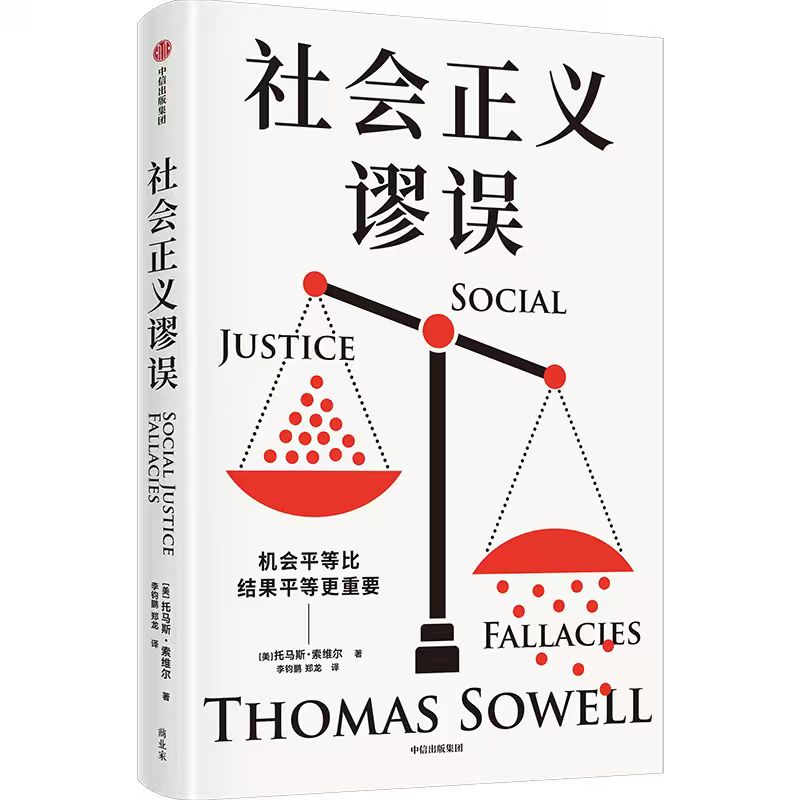
为什么对富人加税可能适得其反?
Hu Xiu· 2025-09-04 23:48
Core Argument - The article discusses the misconception that higher taxes on the wealthy will automatically lead to increased tax revenue and social equity, emphasizing that individuals are not passive entities and will react to such policies [1][3][17] Taxation and Wealth Redistribution - The idea of taxing the wealthy to redistribute wealth is appealing, but its feasibility depends on how much the wealthy can evade such taxes [5][6] - Historical examples show that when tax rates increase, wealthy individuals often find ways to avoid taxes, leading to unexpected outcomes [7][8] Economic Behavior and Policy Impact - Economic principles indicate that individuals will change their behavior in response to government policies, such as tax increases or price controls, which can lead to shortages and unintended consequences [10][11] - The minimum wage laws can lead to higher unemployment rates among young and unskilled workers, contradicting the intended benefits of such policies [12] Income Mobility and Misinterpretation of Data - Income statistics can be misleading as they often do not account for the dynamic nature of income levels over time, with many individuals moving between different income brackets throughout their lives [13][14][15] - The perception of poverty is often relative, and many individuals classified as poor still possess amenities that indicate a higher standard of living than in the past [16] Policy Considerations - Effective policy-making must acknowledge human agency and the potential for individuals to respond in ways that undermine the intended goals of such policies [17]
波黑联邦延长基本商品限价令,65种民生商品价格管控至年底
Shang Wu Bu Wang Zhan· 2025-09-04 16:51
Core Viewpoint - The government of the Federation of Bosnia and Herzegovina has decided to extend the price control measures on essential goods until December 31, 2025, in response to rising prices affecting the living standards of residents, particularly vulnerable groups [1] Summary by Relevant Categories Price Control Measures - The price control measures will cover 65 essential goods, with the exception of butter, which has been removed from the controlled list due to significant fluctuations in procurement prices [1] Economic Impact - The Federation's Ministry of Trade highlighted that the continuous rise in prices of basic food and hygiene products has severely impacted the living standards of residents, especially for the weaker segments of the population [1] Inflation Rates - Inflation rates have shown an upward trend, with June's rate at 4.2% and July's rate increasing to 4.5% [1] Balance Between Consumer Protection and Market Freedom - The measures aim to strike a balance between consumer protection and market freedom, ensuring price stability for essential consumer goods while allowing retail businesses and producers to maintain competitive space and supply diversity [1]