金融信任危机

Search documents
欧盟分裂!德国议会压倒性否决没收俄资产提案,冯德莱恩遭重挫
Sou Hu Cai Jing· 2025-12-10 04:43
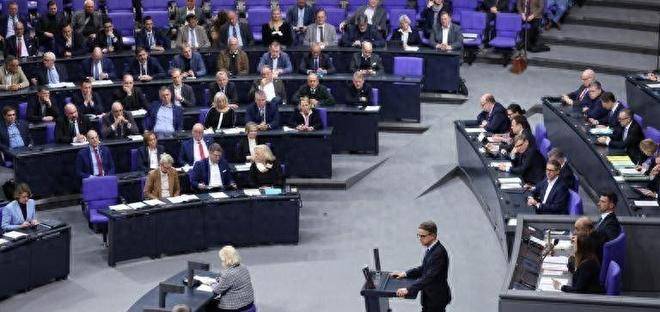
Core Viewpoint - The European Parliament recently voted against proposals to transfer frozen Russian assets to Ukraine and to revoke Russian companies' participation in the Lingen nuclear power plant, reflecting deep-seated concerns among European core countries regarding the implications of such actions [1][3]. Group 1: Political and Geopolitical Factors - Germany's strategic anxiety plays a significant role in opposing the asset transfer proposal, as it recognizes the long-term coexistence with Russia and the potential geopolitical consequences of breaking international asset protection rules [5][7]. - The fear of legal repercussions and the potential for Russia to retaliate against European companies operating in Russia is a major concern for German politicians, who are wary of the long-term costs of such actions [14][18]. Group 2: Financial System Concerns - Belgium's systemic financial threats are a critical barrier, as approximately €190 billion of frozen Russian assets are held in Euroclear, a key financial infrastructure that impacts the stability of the Western financial system [9][10]. - The CEO of Euroclear has warned that utilizing these funds could lead to global legal actions from Russia, potentially crippling the financial institution and affecting the broader financial system [12]. Group 3: Corporate Pressure - Opposition from German multinational corporations, which hold significant investments in Russia, adds pressure against the asset seizure, as they fear reciprocal actions from Russia that could devastate their operations [12][14]. - The potential for a complete exit from the Russian market poses a severe risk to these companies, making the political dispute more complex [14]. Group 4: EU Financial Order - The potential breach of trust in the EU's financial order is a significant concern, as using frozen Russian assets for political purposes could lead to global investors questioning the security of their own assets in Europe [16][19]. - The EU's efforts to maintain its financial system's legitimacy and neutrality are crucial for its status as a global capital haven, and any deviation from this could result in capital flight and systemic instability [19][20].

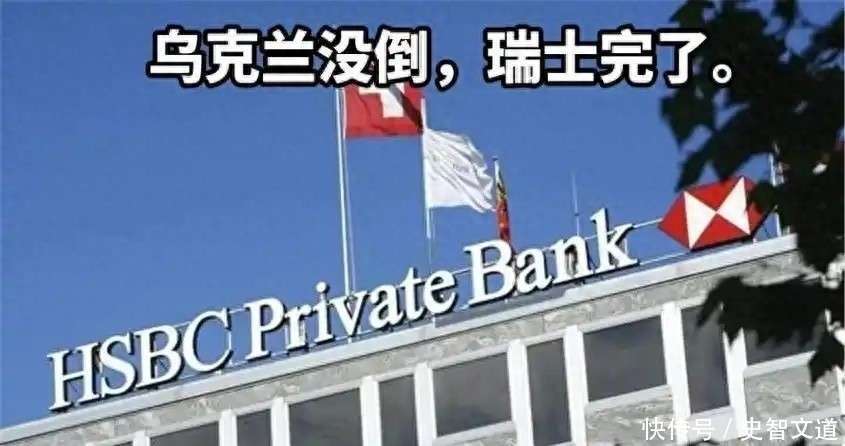
本以为首个撑不住的是乌克兰,没想到是瑞士,瑞士金融业近乎完蛋
Sou Hu Cai Jing· 2025-08-15 08:09
Core Viewpoint - Switzerland is facing an unprecedented economic crisis due to the U.S. government's decision to impose high tariffs on Swiss exports, leading to significant capital outflows and a loss of investor confidence in the Swiss financial system [3][12]. Group 1: Historical Decisions and Trust Crisis - In February 2022, the Swiss Federal Council made a historic decision to freeze $8.23 billion in Russian assets, breaking its long-standing tradition of neutrality and participating in sanctions against Russia [7]. - This decision sparked a trust crisis among investors, leading to a significant withdrawal of funds from Swiss banks, particularly after the Swiss government intercepted humanitarian goods destined for Iran [7]. - The signing of a financial data exchange agreement with the U.S. in June 2024 further eroded the traditional banking secrecy in Switzerland, prompting wealthy clients to relocate their assets to jurisdictions like Hong Kong and Dubai [7]. Group 2: Collapse of Swiss Financial Institutions - In 2023, Credit Suisse, a 167-year-old bank, was acquired by UBS for only 3 billion Swiss francs after its market value plummeted by 97% [10]. - Over a span of 10 months, $120 billion in capital fled from Swiss banks, with significant inflows into private banks in Singapore, which saw an increase of $300 billion in assets under management [10]. - UBS itself faced challenges, including a drop in stock price by 60% from its 2023 peak due to allegations of assisting Russian oligarchs in asset transfers [10]. Group 3: Impact of U.S. Tariffs - On August 7, 2025, the Trump administration announced a 39% tariff on Swiss goods, significantly higher than tariffs faced by the EU, leading to predictions of a 0.7% decline in Swiss GDP if key industries like pharmaceuticals were affected [12]. - The tariff policy is expected to trigger a wave of unemployment and economic recession in Switzerland, exacerbating the existing financial crisis [12]. - Many Swiss companies are relocating production and R&D to countries like Singapore and Ireland in response to the economic pressures [16]. Group 4: Shift in Wealth Management - The turmoil in the Swiss financial system has led to a shift in global wealth management, with Singapore's private banking clientele increasing by 48% in 2025, largely due to capital moving from Switzerland [18]. - The private banking sector in Switzerland, which once accounted for 12% of its GDP, is now facing systemic collapse [18]. - Singapore's stock market capitalization is projected to exceed $1 trillion by 2030, as reforms attract global capital [18]. Group 5: Swiss National Bank's Response - In response to the crisis, the Swiss National Bank has engaged in "silent actions" to stabilize the Swiss franc by increasing foreign exchange reserves, which reached a record high of 716 billion Swiss francs in July 2025 [22]. - The International Monetary Fund (IMF) has indicated that Switzerland will be the most severely impacted European country by U.S. tariffs, particularly amid global supply chain restructuring [22].