金融秩序

Search documents
很多人注定无法过个好年,黄金暴跌背后的逻辑
Sou Hu Cai Jing· 2026-02-07 02:36
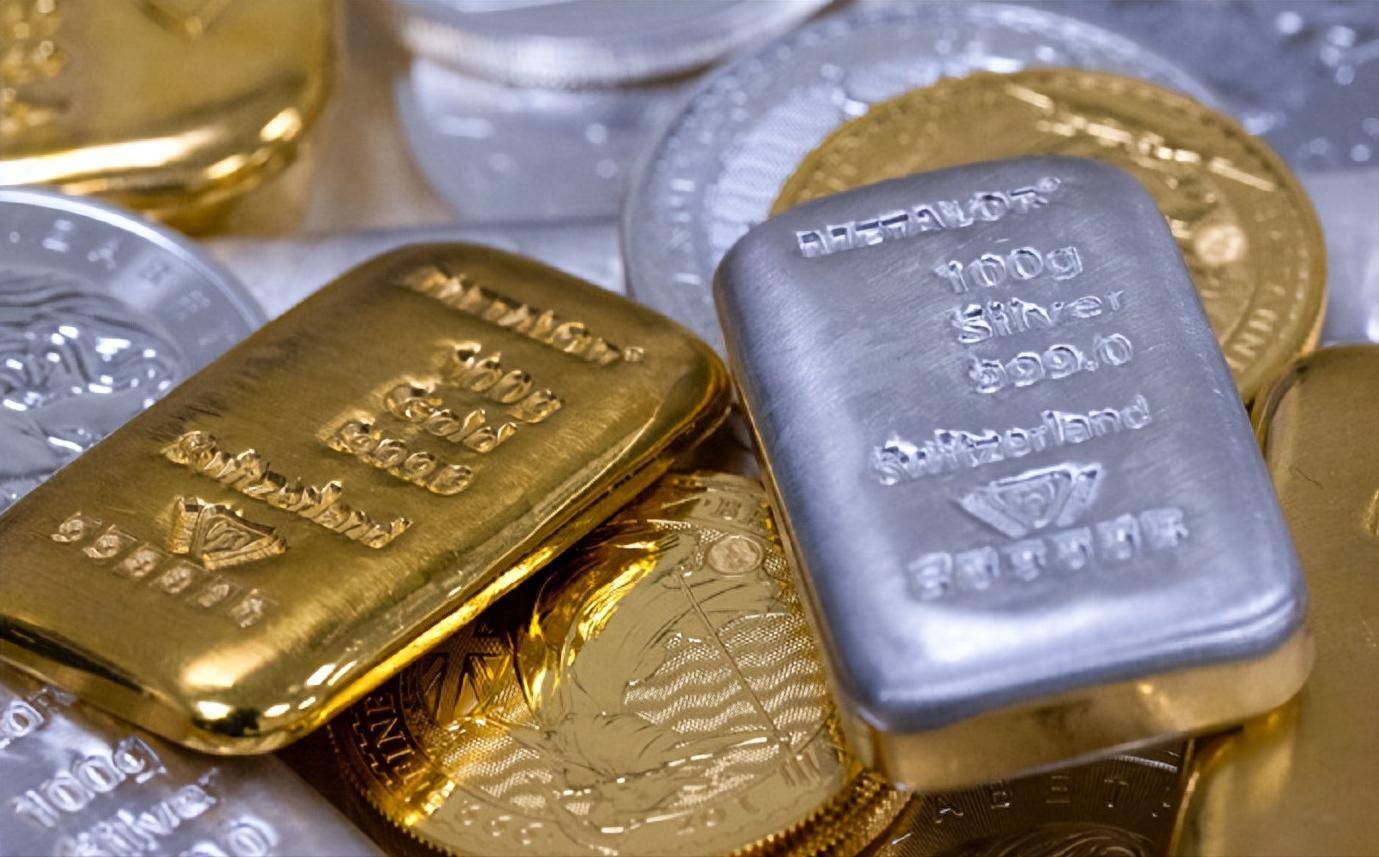
Core Viewpoint - The recent sharp decline in gold and silver prices is attributed to market reactions to the potential nomination of Kevin Warsh as the Federal Reserve Chairman, which has strengthened the dollar and triggered widespread selling of precious metals [6][11]. Group 1: Price Movements - Silver prices fell by 36%, marking the largest single-day drop in 40 years, while gold prices dropped over 12%, falling below $4,700 per ounce from $5,600 in less than 36 hours [1][3]. - The overall market capitalization of gold exceeded the total value of all U.S. Treasury bonds when gold prices surpassed $5,300, leading to systemic sell-offs [8]. Group 2: Market Sentiment and Predictions - A prominent market commentator suggested that most ordinary people will never need gold unless in extreme situations, indicating a low probability of such scenarios occurring [3]. - The sentiment among investors has shifted dramatically, with many expressing regret over their investments in gold, as the anticipated wealth accumulation did not materialize [3]. Group 3: Economic Implications - Warsh's proposed policies of high interest rates and balance sheet reduction are seen as strategies to stabilize U.S. fiscal and monetary credibility, which could impact the broader financial system [11]. - If gold's market value continues to rise significantly, it could undermine trust in U.S. Treasury bonds and the dollar, leading to potential financial instability [9].

特朗普没想到中国敢这么干,发行美债狂揽 1182 亿,美联储急刹车
Sou Hu Cai Jing· 2025-11-12 07:59
Core Viewpoint - China's issuance of $4 billion in sovereign bonds in Hong Kong attracted overwhelming interest, with subscription amounts reaching $118.2 billion, resulting in a subscription ratio of 30 times, highlighting a significant shift in global capital preferences towards Chinese bonds over U.S. Treasuries [1][3][5] Group 1: Market Reaction - The subscription amount for China's bonds was $118.2 billion against a $4 billion issuance, indicating a staggering demand with a 29-fold oversubscription [3][5] - In contrast, U.S. Treasury bonds saw a subscription ratio of only 2.6 times, reflecting a stark decline in investor confidence in U.S. debt [1][3] Group 2: Creditworthiness and Investor Confidence - Investors are drawn to Chinese bonds not due to higher interest rates but because of China's strong credit backing, supported by $3 trillion in foreign exchange reserves and a stable trade surplus [5][10] - China's debt repayment capability is perceived as more stable compared to many countries, enhancing the attractiveness of its bonds as a safe investment [5][10] Group 3: Strategic Objectives of Bond Issuance - The primary goal of issuing these bonds is to establish a "capital safe haven" alternative to U.S. Treasuries, challenging the long-held belief that U.S. assets are the safest [7][9] - This issuance serves as a strategic move to diversify global financial options and reduce reliance on U.S. dollar assets [7][9] Group 4: Implications for U.S. Financial Dominance - The influx of capital into Chinese bonds may force the U.S. to raise its borrowing costs, as it competes for limited global capital [14][16] - The Federal Reserve's policy-making space is constrained, complicating its ability to manage inflation and economic slowdown due to the competitive pressure from Chinese bonds [14][16] Group 5: Long-term Financial Landscape Changes - The current dynamics suggest a potential decline in U.S. financial hegemony, as investor confidence shifts towards Chinese bonds, reminiscent of historical shifts in global currency dominance [16][18] - China's proactive integration into the global financial system through bond issuance is aimed at enhancing its international credibility and providing a viable alternative for global capital [18][20]