错峰上市

Search documents
从“凭经验”到“靠科技”,虾农拜师博导实现效益飞跃
Xin Lang Cai Jing· 2026-01-08 19:02
Core Viewpoint - The article highlights the successful development of the freshwater shrimp farming industry in Xi Pu Village, Fujian Province, focusing on the cultivation of the Pacific white shrimp (Penaeus vannamei) and the introduction of innovative farming techniques to enhance productivity and profitability [1][3]. Group 1: Farming Practices - The farming area for Pacific white shrimp in Xi Pu Village exceeds 600 acres, contributing an annual output value of approximately 40 million yuan [1]. - Farmers conduct a 24-hour water quality test before introducing shrimp fry, with a survival rate above 95% indicating suitable water conditions for shrimp growth [2]. - Key water quality indicators such as dissolved oxygen, pH, ammonia nitrogen, and nitrite levels are monitored daily to ensure optimal conditions for shrimp farming [2]. Group 2: Technological Integration - A collaboration with Xiamen University’s Fisheries College has led to the establishment of a "Shrimp Technology Academy" in Xi Pu Village, providing technical support and training for local farmers [3]. - Training sessions focus on balanced nutrition in feed selection and the importance of precise feeding to prevent diseases and improve shrimp health [4]. Group 3: New Species Introduction - The introduction of a new shrimp variety, "Su Hu 1," is expected to enhance growth rates and yield, with characteristics that favor meat production over claw development [6]. - The use of bio-feed made from agricultural by-products and beneficial bacteria is being implemented to improve shrimp health and reduce fat-related diseases [6]. Group 4: Market Strategy - Farmers are adopting off-season farming strategies to avoid price drops during peak harvest months, aiming to sell shrimp at significantly higher prices during off-peak periods [7]. - The price of shrimp can increase from approximately 17 yuan per kilogram in the fall to between 28 and 30 yuan during the Chinese New Year, representing a substantial income opportunity for farmers [7].
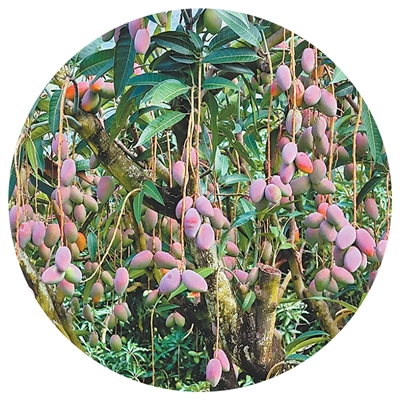
这里的芒果,错峰上市滋味长(美丽中国·生态优势下的特色产业)
Ren Min Ri Bao· 2025-12-15 22:52
Core Viewpoint - The mango industry in Yuanjiang, Yuxi City, Yunnan Province, is being developed as a key industry for local economic growth and ecological restoration, leveraging the region's unique climatic advantages and optimizing cultivation practices [4][6]. Group 1: Industry Development - Yuanjiang County has positioned mango cultivation as a primary industry, contributing to both farmer income and ecological restoration in the Honghe River basin [4][6]. - The region's climatic conditions, characterized by a warm and frost-free environment, make it suitable for high-quality mango production, with an average annual temperature of 24.1°C and approximately 2,291 hours of sunlight per year [5][6]. - The mango planting area in Yuanjiang is projected to reach 242,000 acres by 2024, with an expected annual output of 264,000 tons and an agricultural output value of 1.16 billion yuan [8]. Group 2: Cultivation Techniques - The introduction of early-maturing mango varieties, such as "Xiao Jin Feng," allows for harvesting as early as May, filling a market gap before other regions' mangoes become available [6][7]. - The establishment of standardized and green cultivation practices is being promoted through the construction of demonstration bases and improvements in irrigation infrastructure [7]. - Continuous training and collaboration with research institutions are enhancing farmers' knowledge of best practices in mango cultivation, pest control, and irrigation techniques [7]. Group 3: Economic Impact - The mango industry has significantly improved local farmers' incomes, with average annual earnings of 25,000 yuan per household from mango cultivation [5][8]. - The number of mango farming households in Yuanjiang has exceeded 13,500, employing around 52,000 people in the industry [8].

小龙虾错峰上市带动农民增收 四川遂宁实现“四季有虾”
Yang Shi Xin Wen Ke Hu Duan· 2025-11-24 06:00
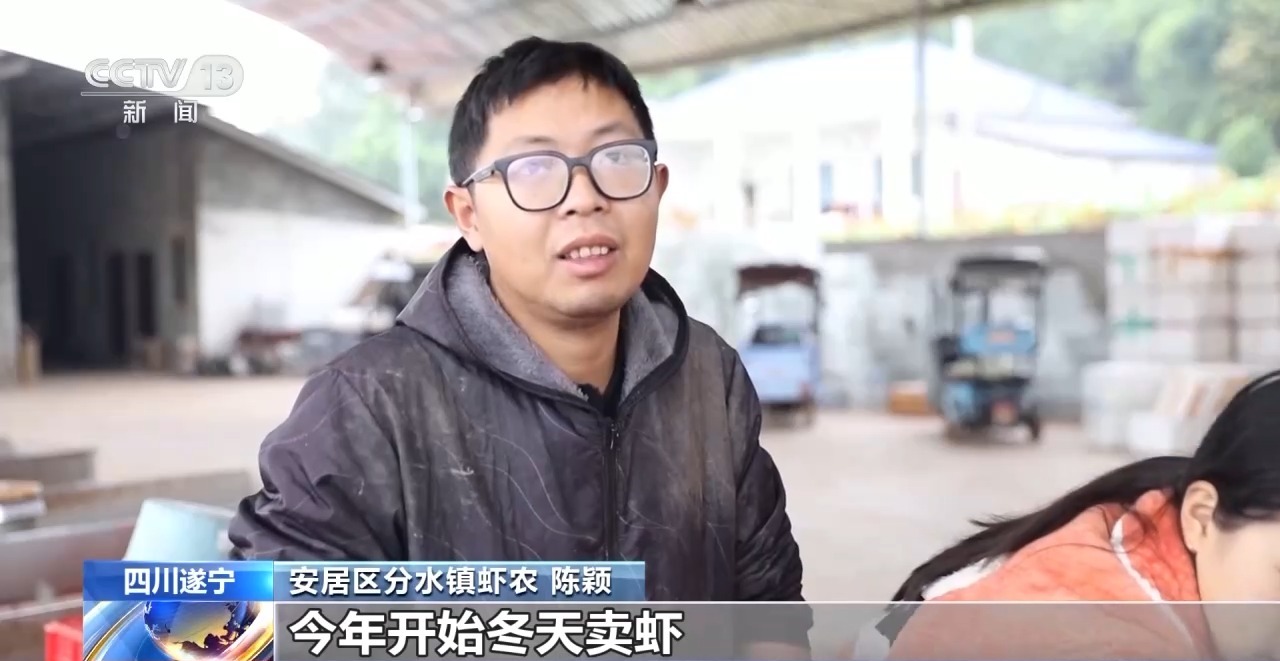
Core Insights - The article highlights the successful off-season production and sale of crayfish in Suining, Sichuan, which has become a significant source of income for local farmers [1][3]. Group 1: Seasonal Production and Sales - Crayfish are typically harvested in summer, but Suining has managed to ship an average of 4,000 pounds daily to various regions, with higher prices during the off-season compared to peak season [1]. - Farmers in Suining have started selling crayfish in winter, expecting a revenue increase of around 50% compared to the previous year [3]. Group 2: Innovative Farming Practices - The region benefits from a natural advantage for off-season crayfish farming due to winter temperatures generally ranging from 5 to 10°C, allowing for year-round production [3]. - Local farmers have implemented methods such as planting low-temperature aquatic plants to purify water and adjusting water levels to maintain suitable temperatures for crayfish growth, achieving "four seasons of crayfish" [3]. Group 3: Integrated Farming Model - An integrated rice-crayfish farming model has been explored, where after the first rice harvest, regrown rice provides food for crayfish, enhancing sustainability [5]. - The local cooperative has standardized crayfish sales, with the crayfish farming area reaching over 24,000 acres, yielding a comprehensive profit of 10,000 yuan per acre, which is more than four times that of traditional rice farming [5]. - This year, the total crayfish trading volume has reached 1 million pounds, generating a revenue of over 60 million yuan [5].
视频丨小龙虾错峰上市带动农民增收 四川遂宁实现“四季有虾”
Yang Shi Xin Wen Ke Hu Duan· 2025-11-24 05:47
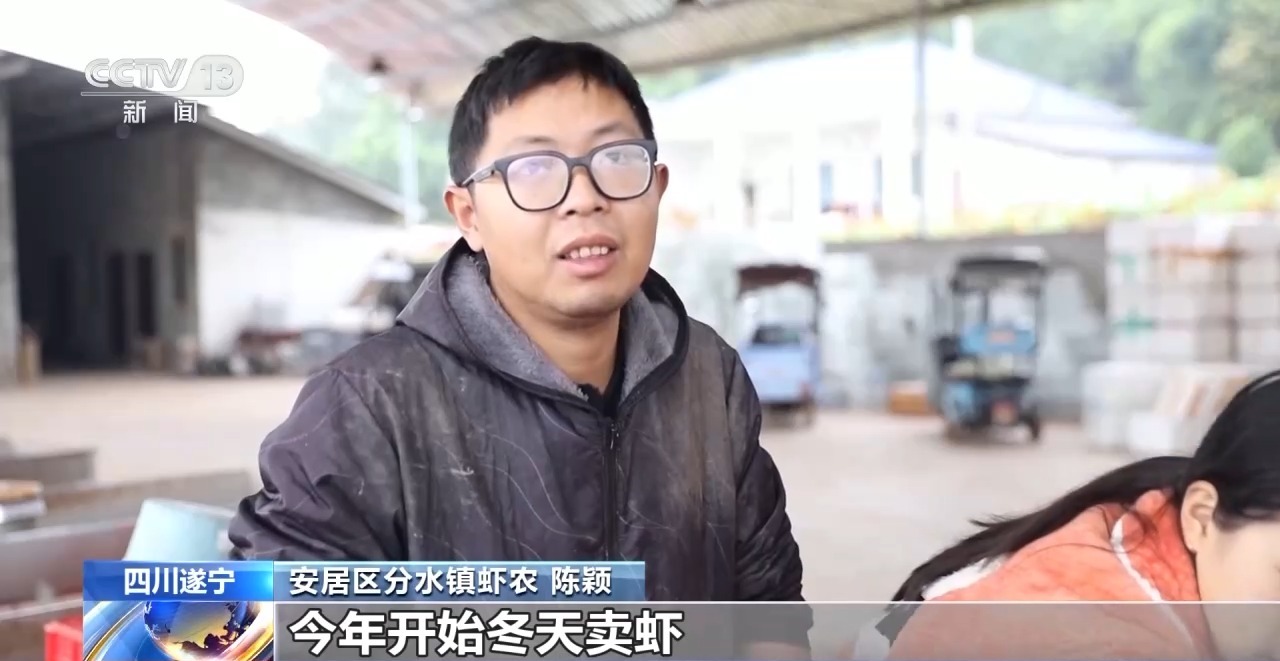
Core Insights - The article highlights the successful off-season production and sale of crayfish in Suining, Sichuan, which has become a significant source of income for local farmers [1][5]. Group 1: Market Dynamics - Crayfish are typically harvested in summer, but Suining has been shipping an average of 4,000 pounds daily to various regions across the country during this period [1]. - Off-season crayfish prices are higher than during peak season, contributing to increased local income [1]. Group 2: Farming Practices - Farmers in Suining are adapting to winter sales, expecting a revenue increase of approximately 50% compared to the previous year [5]. - The region benefits from a natural advantage for off-season crayfish farming due to winter temperatures typically ranging from 5 to 10 degrees Celsius [5]. - Local farmers are implementing techniques such as planting low-temperature aquatic plants to purify water and adjusting water levels to maintain suitable temperatures for crayfish growth, achieving year-round production [5]. Group 3: Integrated Farming Model - The area has developed a rice-crayfish co-culture model, where crayfish are raised after the first rice harvest, utilizing fallen rice as a food source [7]. - The integrated rice-crayfish industry spans over 24,000 acres, with a comprehensive yield of 10,000 yuan per acre, which is more than four times the income from traditional rice farming [7]. - This year, the total crayfish transaction volume reached 1 million pounds, generating a revenue of over 60 million yuan [7].
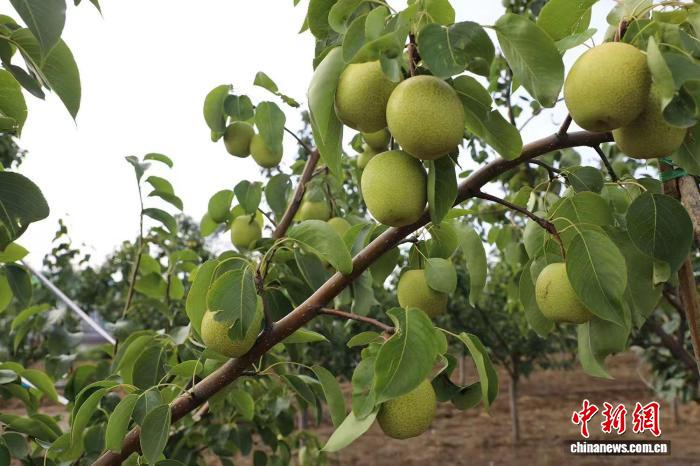
(乡村行·看振兴)硕果满枝梨飘香 山西高平打造“梨”想生活
Zhong Guo Xin Wen Wang· 2025-08-12 07:44
Group 1 - The article highlights the successful cultivation and harvesting of Crown Pears in Gao Ping City, Shanxi Province, attracting many tourists for fruit picking during the harvest season [1][2] - The pear orchard covers 130 acres with over 5,000 trees, and the expected total yield for Crown Pears this year is approximately 25,000 pounds [2] - The orchard employs over 50 local villagers, providing them with job opportunities through the cooperative's operations and training in scientific cultivation methods [2] Group 2 - Another cooperative in Chenqu Town is also harvesting Danxia Red Pears, with an expected total yield of over 20,000 pounds, and daily sales averaging around 1,000 pounds [6][7] - The cooperative manages over 300 acres of land, diversifying its crops with late autumn yellow pears, Danxia red pears, and Yulu fragrant pears, maximizing land efficiency through staggered harvests [6][7] - The cooperative aims to enhance market supply while increasing local employment opportunities as different pear varieties mature [7]