长期资金配置

Search documents
他,投了2026最火IPO们
3 6 Ke· 2026-02-08 02:47
Core Viewpoint - The article highlights the active role of Taikang Life as a cornerstone investor in the Hong Kong IPO market, particularly in sectors like AI, hard technology, biomedicine, and new consumption, indicating a strategic approach to long-term investment rather than opportunistic trading [2][10][12]. Investment Strategy - Taikang Life has participated in seven Hong Kong IPO projects since the beginning of 2026, securing nearly 1 billion HKD in allocations, showcasing its status as the most active insurer in the current market [2][10]. - The company employs a systematic investment strategy that includes cornerstone investments, strategic placements, and secondary market acquisitions, focusing on companies with established industry positions and clear growth paths [3][11][12]. Market Context - The overall insurance sector has shown a marginal shift towards IPOs and equity assets since 2025, driven by a low-interest-rate environment that compresses fixed-income returns, prompting insurers to seek new yield sources [13][14]. - Despite increased participation in IPOs, many insurers remain cautious, with Taikang Life distinguishing itself through a more consistent and strategic approach to investment [13][15]. Leadership Influence - The investment philosophy of Taikang Life is heavily influenced by its founder, Chen Dongsheng, who emphasizes long-term commitment and strategic foresight, having built the company in sectors that promise sustained growth [5][8][9]. Long-term Focus - Taikang Life's investments are not merely opportunistic but are aligned with its long-term liabilities, focusing on sectors that can provide stable returns over extended periods, such as hard technology and healthcare [12][15]. - The company has developed a comprehensive ecosystem around its insurance business, integrating healthcare and wellness services, which enhances its investment strategy and aligns with its long-term goals [9][12]. Conclusion - Taikang Life's proactive stance in the IPO market reflects a well-thought-out strategy that balances risk and return, positioning it as a model for other insurers navigating similar market conditions [16][17].
加大权益资产配置、支持新质生产力,长期资金配置结构在变化
第一财经· 2025-11-13 12:39
Core Insights - Long-term capital is increasingly flowing into the capital markets, with a growing allocation towards equity assets, particularly in technology [3][10] - The discussion at the Shanghai Stock Exchange International Investors Conference highlighted the need for long-term funds to balance return growth with risk management [3][12] Group 1: Technology Assets - Technology assets have emerged as a strong investment theme in the global capital market this year, driven by significant industry transformations [4][10] - The rise of global technology stocks is primarily fueled by breakthroughs in artificial intelligence, supported by improved global liquidity and policy investments [4][5] - Different markets exhibit both synchronized trends and structural differences, impacting investment strategies [4][5] Group 2: Long-term Investment Strategies - Long-term funds should focus on three key areas: maintaining investment longevity, ensuring stability against high volatility, and achieving scale to diversify risk while generating returns [6][7] - Insurance asset management institutions emphasize a "long-term" and "diversified" approach to support technological innovation and development [6][7] Group 3: Market Dynamics and Challenges - The current macroeconomic environment and capital market demands are driving long-term funds to increase their equity asset allocations [10][11] - Challenges remain in attracting long-term capital, including the need for a mature capital market to reduce volatility and improve dividend mechanisms for listed companies [11][12] - The outlook for China's economy and capital market is optimistic, presenting significant investment opportunities for long-term investors [12]



养老理财将迎扩容,存量产品三季度表现亮眼
Huan Qiu Wang· 2025-11-07 06:45
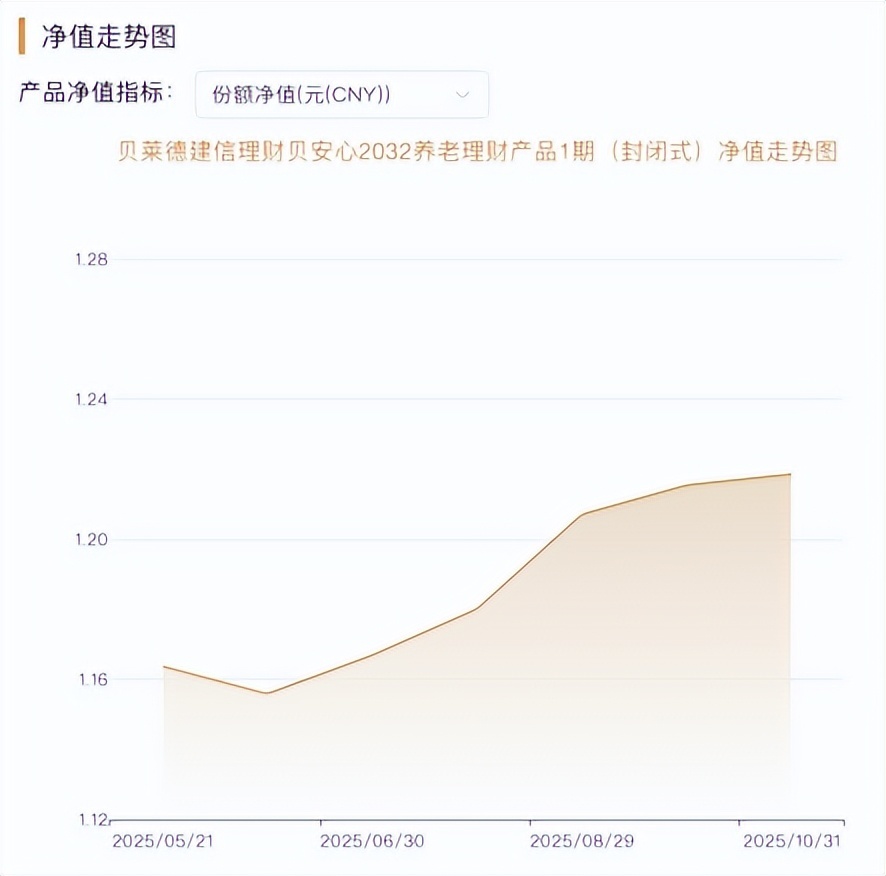
Core Insights - The expansion of the pension financial management market is anticipated following the release of the notice by the National Financial Supervision Administration, which allows the pilot areas for pension financial products to extend nationwide [1] - The notice encourages the issuance of long-term pension financial products, specifically those with a duration of 10 years or more, to align with the investment cycles of the pension industry [2][3] - The overall design aims to enhance the long-term capital allocation function and promote a stable pension asset allocation system, thereby increasing investor confidence [2][3] Group 1: Market Expansion and Product Design - The number of existing pension financial products stands at 51, with no new products launched in 2023, but the expansion of the pilot program is expected to restart issuance [1] - The notice emphasizes the need for diverse product forms, encouraging the issuance of long-term pension financial products with a minimum holding period of 5 years [2] - Regulatory incentives will be provided to companies with a higher proportion of long-term products in their portfolios, promoting a shift from short-term financial management to lifelong wealth management [3] Group 2: Liquidity and Risk Management - The establishment of transfer and pledge mechanisms for pension financial products is proposed to address liquidity needs in emergencies, such as serious illnesses [2][4] - This design reflects a regulatory consideration for a more humane approach to pension finance, balancing the need for long-term returns with risk management [4] - The focus on long-term products aims to mitigate the mismatch risk of short-term funds being invested in long-term projects [3] Group 3: Performance and Asset Allocation - In the third quarter, many pension financial products increased their allocation to equity assets, resulting in net value growth, showcasing effective active management [5] - Specific products, such as "BlackRock Jianxin Pension 2032 Phase 1," reported a cumulative net value growth rate of 21.84%, with a quarterly increase of 4.16% [5][7] - The report indicates that while some companies reduced their bond allocations, others, like ICBC Wealth Management, opted to increase bond investments, achieving annualized returns of 14.35% and 12.97% for their pension products [9][10] Group 4: Future Outlook - The pension financial management market is poised for significant development opportunities as the pilot policies are fully implemented and product issuance resumes [10] - Companies are encouraged to adopt scientific asset allocation models to dynamically adjust the equity-bond ratio and utilize derivatives for risk hedging [10][11] - Emphasis is placed on designing mechanisms for smoothing returns and enhancing liquidity through regular dividends and periodic redemption options [11]
两会|全国政协委员、中信资本董事长张懿宸:细化优化政策安排,打通并购基金发展难点堵点
证券时报· 2025-03-05 04:50
Core Viewpoint - The article emphasizes the growing importance of merger and acquisition (M&A) funds in promoting industry consolidation and creating industry leaders, while also highlighting the existing challenges and bottlenecks in their development [1]. Policy Optimization for M&A Funds - There is an urgent need to optimize policies related to M&A funds, as indicated by Zhang Yicheng, a member of the National Committee of the Chinese People's Political Consultative Conference and CEO of CITIC Capital [2][3]. - Since 2024, various national departments have introduced measures to support and encourage listed companies to engage in M&A activities, leading to a significant increase in the number and amount of domestic M&A fund raises in the second half of 2024 compared to the first half [4]. Challenges in Long-term Capital Investment - Current policies present constraints for long-term capital, such as insurance funds, in supporting M&A funds. The risk factors associated with unlisted equity and long-term equity investments lead to higher capital requirements for insurance funds compared to other asset classes [5]. - Existing regulations from 2010 and 2022 regarding investments in related-party M&A projects are outdated and lack clarity, limiting insurance funds' participation in these investments [5]. Recommendations for M&A Loan Policies - Zhang Yicheng suggests three main areas for optimizing M&A loan policies: 1. Extend the loan term for M&A financing to a maximum of 10 years and increase the financing ratio to 80% for high-quality projects with healthy cash flow [10]. 2. Remove the restriction that refinancing projects cannot exceed seven years from the initial loan disbursement, allowing companies more time for loan adjustments and cash flow management [11]. 3. Standardize regulatory frameworks across regions to ensure compliance and support for various types of M&A transactions, including those involving strategic investors [11].