集邮转型

Search documents
方寸潮变,“小邮票”上演破圈突围
Xin Hua Ri Bao· 2026-01-07 00:40
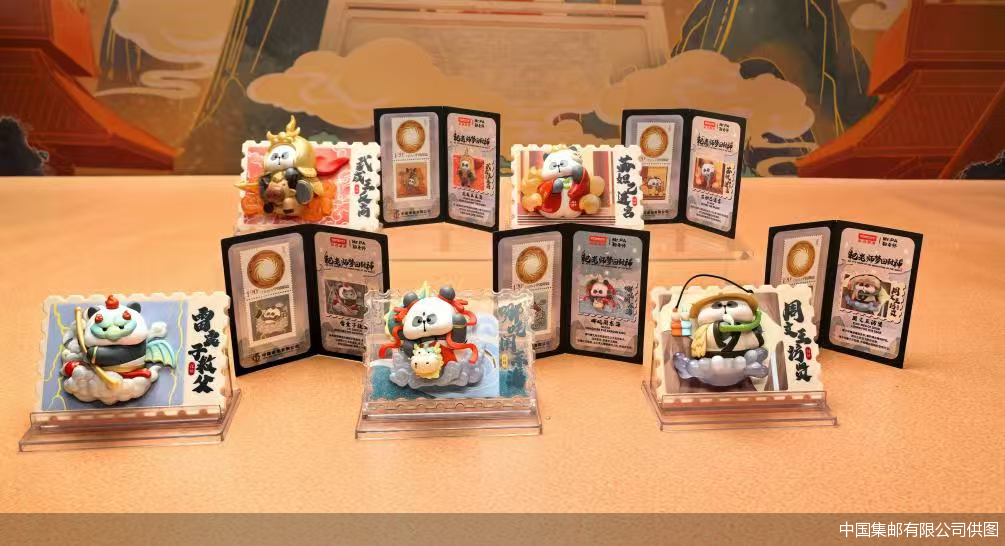
Core Viewpoint - The launch of the "Year of the Horse" zodiac stamps and related cultural products has successfully attracted the attention of young people, marking a significant shift in the traditional stamp industry towards a more dynamic and engaging cultural experience [1][2][4]. Group 1: Cultural Engagement and Innovation - The "Year of the Horse" zodiac stamps are the first in China's history to involve public participation in the design process, utilizing a dual-review system of public and expert evaluations [2]. - The stamps, named "Chiyue Hongtu" and "Wanjun Zhenfu," feature vibrant designs that symbolize progress and hope for national prosperity [2]. - The introduction of the "Wujia Ge" plush toy, based on the stamp design, has resonated with young consumers, leading to a rapid sell-out of certain styles [2][3]. Group 2: Market Trends and Demographics - The stamp industry faces challenges, including a declining collector base, with over 60% of stamp subscribers in Jiangsu being over 50 years old [4]. - The initiative to open design submissions to the public reflects a proactive approach to rejuvenate traditional stamp culture and attract younger audiences [4]. - Collaborations with popular games and events, such as the partnership with "Black Myth: Wukong," have generated significant revenue and interest from younger demographics [4][5]. Group 3: Transformative Experiences - The establishment of themed post offices and cultural activities has transformed traditional postal services into interactive cultural hubs, enhancing visitor engagement [7][8]. - The integration of local cultural elements, such as the "Meng Xiong" themed post office, showcases the potential for innovative cultural expressions through stamps and postal services [7]. - The future of stamps lies in their ability to evolve from static symbols to dynamic cultural experiences, leveraging modern technology and popular culture to connect with younger audiences [9].

从“小众收藏”到“大众消费” 中国集邮“动刀”渠道
Bei Jing Shang Bao· 2025-08-17 09:29
Core Viewpoint - The traditional stamp collecting industry in China is facing unprecedented challenges due to digitalization, prompting China Post to recruit social channel distributors to expand its market reach and attract younger consumers [1][3][4]. Group 1: Industry Challenges - The traditional stamp market is shrinking, with only a quarter of the previous market presence remaining, as younger generations show decreasing interest in stamp collecting [4][5]. - The cultural gap between generations is evident, with older collectors reminiscing about their collections while younger individuals are more engaged with digital entertainment [4][5]. Group 2: Strategic Changes - China Post's initiative to open social channel cooperation marks a significant shift towards decentralization, aiming to leverage social forces to rebuild its distribution network and attract younger users [5][6]. - The company is offering three collaboration paths for distributors: traditional distribution, product customization, and referral partnerships, allowing for a diverse range of products beyond traditional stamps [5][6]. Group 3: Market Expansion - The expansion of sales channels includes online platforms and cultural stores, which can help stamp products reach a broader audience and enhance their market presence [9][10]. - The introduction of cultural derivative products and creative merchandise aims to diversify consumption scenarios, making stamp collecting more appealing to a wider demographic [8][9]. Group 4: Future Considerations - While expanding channels is a crucial first step, challenges remain, such as avoiding product homogenization and maintaining the interest of younger consumers [10]. - The transformation of China Post's strategy is seen as a race against time, requiring innovative marketing and partnerships with popular brands to resonate with younger audiences [10].