
需求分层

Search documents
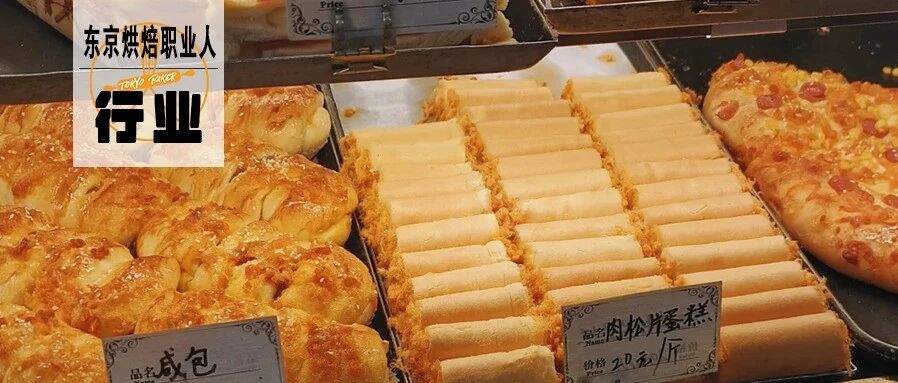
老式面包“熹贵妃回宫”,火到排长队!这届年轻人,开始为6块钱的真诚上头了
东京烘焙职业人· 2026-02-09 08:33
Core Viewpoint - The resurgence of traditional old-style bread in the market reflects a significant shift in consumer preferences, moving away from high-end, luxury baked goods towards more affordable, everyday options that provide genuine value and emotional connection [4][12][16]. Group 1: Market Trends - The baking industry has accelerated towards "premiumization" and even "luxury" products, with prices for items like croissants and specialty breads reaching 30 to 88 yuan [4][19]. - In 2025, the average transaction value in the baking sector reached 34.6 yuan, while approximately 60% of restaurant consumers spent less than 30 yuan per meal, indicating a disparity in consumer spending habits [6][7]. - The closure rate in the baking industry was 20.1% from 2024 to 2025, with high-end stores experiencing even higher rates of closure, suggesting a challenging environment for premium offerings [7]. Group 2: Consumer Behavior - Consumers are increasingly seeking value, as evidenced by the popularity of a simple 6 yuan blueberry bread that offers a nostalgic and satisfying experience compared to more expensive options [10][15]. - The emotional value derived from personal interactions with vendors and the simplicity of the product plays a crucial role in attracting consumers, as they seek genuine experiences over marketing-driven narratives [14][20]. - The shift towards traditional bread signifies a "demand stratification" in the Chinese baking market, where high-frequency, price-sensitive staple foods are being overlooked in favor of low-frequency, high-margin luxury items [16][19]. Group 3: Business Opportunities - The success of traditional bread highlights the need for a business model that respects consumer demand, focusing on affordability and community engagement rather than solely on premium pricing [22][24]. - There is potential for modern business strategies to revitalize traditional baking, such as implementing a central kitchen model combined with community pickup points to enhance efficiency and reduce costs [21][22]. - The next phase of competition in the baking industry will not be in high-end products but rather in the everyday, accessible offerings that resonate with a broader consumer base [25].

从“港股三朵金花”爆红看新消费赛道崛起
Zheng Quan Ri Bao· 2025-05-28 16:22
Core Insights - The rise of new consumption enterprises in the Hong Kong stock market, exemplified by companies like Pop Mart, Mixue, and Laopu Gold, reflects a significant shift in consumer behavior and market dynamics since 2025 [1][2] Group 1: Supply Innovation - New consumption enterprises are innovating supply to create demand, fundamentally altering traditional industry logic [3] - Mixue has emerged in the tea beverage market by adopting a cost-effective strategy, offering products priced between 2 to 8 yuan, significantly outperforming higher-priced competitors [3] Group 2: Demand Restructuring - The essence of new consumption lies in shifting from "material satisfaction" to "emotional resonance," with competition now focused on precise market segmentation [4] - The Z generation now constitutes 47% of total consumers, leading a transformation in consumption values towards "self-satisfaction" and "social consumption," as seen with Pop Mart's IP matrix appealing to young consumers [4] Group 3: Supply Chain Transformation - The diversification of new consumption models is driving a significant transformation in supply chain logic [5] - Mixue's self-built cold chain logistics has reduced the cost per cup to 3 yuan, rendering traditional price wars ineffective [5] - The evolution of supply chains into real-time responsive value networks aims to create a symbiotic relationship among consumers, enterprises, and suppliers [5]