非信用资产

Search documents
我国外储稳站3.3万亿,黄金悄悄增持,背后藏着我们的资产安全感
Sou Hu Cai Jing· 2026-02-11 05:18
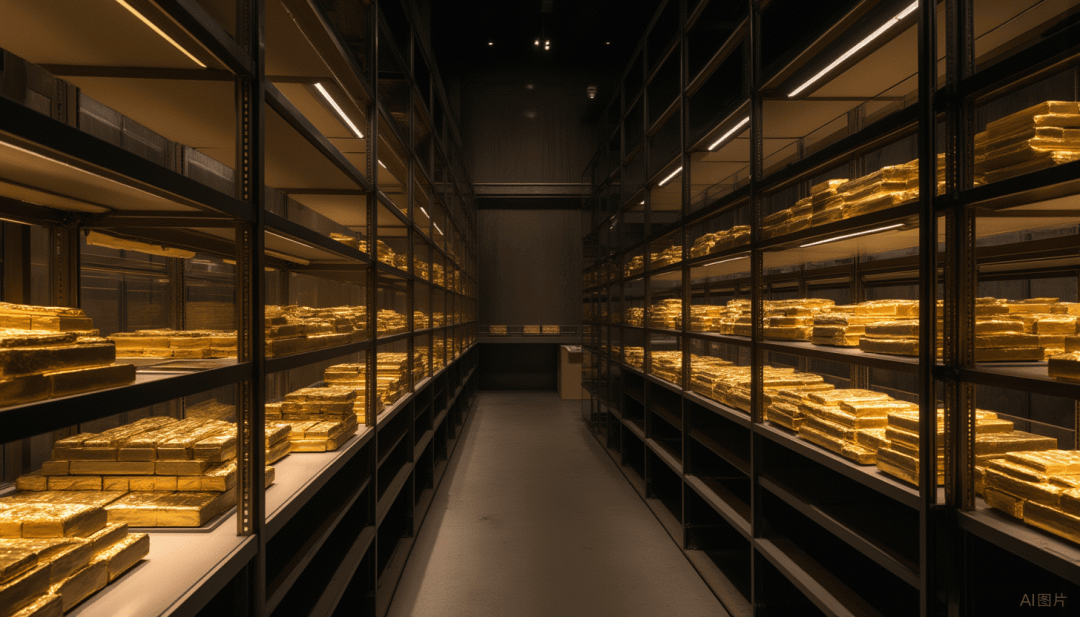
Core Viewpoint - The recent data from the State Administration of Foreign Exchange indicates that China's foreign exchange reserves reached $339.91 billion by the end of January 2026, reflecting a $41.2 billion increase from December 2025, marking a 1.23% rise. This stability in reserves, alongside a gradual increase in gold holdings, suggests a strategic approach to asset management amidst global economic fluctuations [1][2][3]. Summary by Sections Foreign Exchange Reserves Changes - The increase in foreign exchange reserves is influenced by various factors, including fiscal and monetary policies of major economies, leading to a decline in the dollar index and an overall rise in global financial asset prices. This complex interplay results in a rise in reserves that should not be oversimplified as merely buying or selling dollars [1][3]. Comprehensive Reserve Asset Overview - The total official reserve assets amount to $383.63 billion, which includes foreign exchange reserves, IMF reserve positions, special drawing rights, gold, and other assets. Notably, gold constitutes approximately 9.6% of the total reserve assets, indicating a growing significance of gold in the reserve structure [2][4]. Continuous Gold Accumulation - As of the end of January, China's gold reserves increased to 7.419 million ounces, marking the 15th consecutive month of accumulation. The value of these reserves is approximately $369.58 billion. This consistent, albeit small, increase in gold holdings signals a strategic approach to asset management during periods of high price volatility [6][7]. Strategy Behind Incremental Gold Purchases - The strategy of gradually increasing gold reserves during periods of significant price fluctuations serves to mitigate risks associated with market volatility. This approach reduces the likelihood of purchasing at peak prices and minimizes the impact of short-term price changes on the overall value of reserves [7][9]. Gold as a Non-Credit Asset - Gold's unique attribute as a non-credit asset makes it an attractive option for central banks, especially in times of geopolitical uncertainty. The rising proportion of gold in reserves enhances resilience against credit risks and sanctions, providing a buffer against external shocks [9][10]. Global Central Bank Gold Purchases - The World Gold Council reports that global gold demand surpassed 5,000 tons in 2025, with central banks purchasing approximately 863 tons, maintaining a historically high level of gold accumulation. This trend reflects a more cautious approach to gold purchases in response to high prices and existing holdings [10][11]. Implications for Individual Investors - While central bank gold accumulation may prompt individual investors to consider gold, it is essential to recognize that central banks operate under different constraints and objectives. The emphasis should be on maintaining a diversified asset structure and managing risk effectively, rather than solely following central bank actions [11][13]. Overall Trends in Foreign Reserves and Gold - The data indicates that while foreign exchange reserves remain stable above $330 billion, the increasing presence of gold in the reserve structure reflects a strategic adjustment to enhance resilience against uncertainties. This gradual shift suggests a long-term vision for asset management rather than immediate, drastic changes [1][2][10].


中国央行连续15个月增持黄金背后:外汇储备的变与不变
Sou Hu Cai Jing· 2026-02-07 07:30
Core Insights - China's foreign exchange reserves reached $339.91 billion by the end of January 2026, marking a 1.23% increase from the previous month, and maintaining stability above the $3.3 trillion mark for six consecutive months [3][4] - The People's Bank of China (PBOC) increased its gold reserves to 74.19 million ounces, a rise of 40,000 ounces from December 2025, continuing a trend of growth for 15 months since November 2024 [4][8] - The increase in foreign exchange reserves is attributed to a decline in the US dollar index and rising global asset prices, reflecting a strategic adjustment in reserve composition [5][10] Data Foundation - As of January 2026, China's foreign exchange reserves stood at $339.91 billion, up by $4.12 billion from December 2025, indicating a stable upward trend [3][4] - The PBOC's gold reserves reached 74.19 million ounces, with a consistent increase observed since November 2024, following an 18-month period of accumulation [4][6] Strategic Adjustments - The PBOC's gold accumulation strategy has been cautious, with monthly increases remaining below 100,000 ounces since March 2025, influenced by fluctuations in international gold prices [7][8] - The continuous increase in gold reserves signals China's intent to optimize its international reserve structure and enhance the proportion of "non-credit assets" [8][10] Global Context - The trend of increasing gold reserves is part of a broader global movement, with the World Gold Council reporting a 1% year-on-year increase in global gold demand, reaching a record high of 5,002 tons in 2025 [9] - Analysts have differing views on future gold prices, with predictions ranging from $6,300 per ounce by the end of 2026 to potential downward pressure due to easing geopolitical risks [9] Strategic Implications - The stability of China's foreign exchange reserves, coupled with the increase in gold holdings, reflects a strategic response to global economic uncertainties and enhances the country's external buffer capacity [10] - The gradual increase in gold reserves, despite modest monthly increments, demonstrates a long-term strategy to build resilience against global volatility and underscores the growing importance of gold as a "non-credit asset" [10]