
预售制改革

Search documents
广州楼市巨变,现房库存首超期房
Sou Hu Cai Jing· 2025-09-05 07:19
Core Insights - Guangzhou's real estate market is transitioning to a "mainly existing homes" phase, with existing home inventory surpassing pre-sold homes for the first time, indicating a significant structural change in the market [1][3][4] Market Trends - As of mid-2025, the available inventory of residential properties in Guangzhou is 14.47 million square meters, with existing homes accounting for 7.42 million square meters (51.3%) and pre-sold homes at 7.05 million square meters (48.7%) [3] - Nationwide, existing home sales area reached 163 million square meters in mid-2025, a year-on-year increase of 12.5%, while pre-sold home sales decreased by 10.6% to 296 million square meters [3] Consumer Preferences - The preference for existing homes is driven by the "seeing is believing" principle, as buyers seek certainty in delivery and wish to avoid risks associated with pre-sold homes, such as project delays and quality issues [3][4] Regional Supply - Existing home projects are now available across all districts in Guangzhou, including key areas like Tianhe and Huangpu, with some projects already in the delivery phase, allowing for immediate occupancy [4] Policy and Market Dynamics - The increase in existing home inventory has sparked discussions on optimizing the pre-sale system, as current practices place significant risk on buyers [5][6] - Experts suggest that a balanced risk-sharing mechanism is needed, where the risks associated with home purchases are more evenly distributed between developers and buyers [5] Implementation of New Sales Models - Cities like Xinyang have begun implementing a "pay and receive" model for existing home sales, with over 30 provinces in China introducing related policies since late 2022 [6] - Guangzhou is considering pilot programs for existing home sales in areas with high inventory, while also addressing the need for developers to adapt to changing market conditions [6]

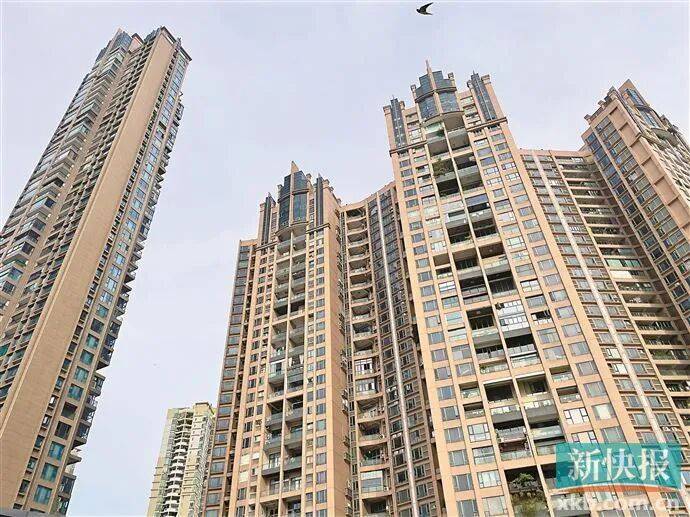
地产|行业限产好过囚徒博弈:再谈现房时代
中信证券研究· 2025-04-23 23:58
Core Viewpoint - The article emphasizes the necessity of reforming the pre-sale system in the real estate market, advocating for the promotion of selling completed properties to stabilize prices and improve quality [1][2]. Group 1: Changes in Supply and Demand - The initial purpose of the pre-sale system was to increase supply and improve living conditions quickly, but the current market has shifted to a state of oversupply, making the pre-sale system less relevant [2]. - Developers are caught in a dilemma where controlling supply is essential for the industry, yet individual companies may pursue faster turnover to enhance their return on equity (ROE), leading to a downward spiral in overall industry ROE due to price reductions [2]. Group 2: Transition to Selling Completed Properties - Gradually promoting the sale of completed properties encourages developers to focus on product quality rather than turnover speed, potentially preventing future delivery issues [3]. - The transition to selling completed properties aligns with the trend of focusing land sales in core urban areas, which may lead to a package of policies aimed at stabilizing and increasing housing prices [4]. Group 3: Market Dynamics and Competition - The sale of completed properties will reshape the development process and the competitive landscape within the real estate industry, emphasizing the importance of product quality and consumer satisfaction over rapid development [5][6]. - The competitive factors in the real estate market will shift, with a greater focus on product development capabilities and careful land acquisition, while aspects related to development speed will become less critical [6]. Group 4: Policy Context and Market Response - The current land sales are concentrated in core cities, with an average land price increase of 15.1% year-on-year in Q1 2025, indicating a potential for product premium in the completed sales phase [4]. - The reform of the pre-sale system is part of a broader policy framework aimed at revitalizing the real estate market, including measures such as lowering mortgage rates and providing subsidies to stimulate housing demand [4]. Group 5: Investment Strategy - Limiting production is viewed as a long-term benefit for the industry, helping to resolve the dilemma of oversupply and fostering high-quality development [8]. - The current market conditions, with a significant reduction in the debt ratio of real estate companies, suggest that now is an opportune time to promote the sale of completed properties [8].

地产|行业限产好过囚徒博弈:再谈现房时代
中信证券研究· 2025-04-23 23:58
文 | 陈聪 张全国 刘河维 李俊波 ▍ 现房时代可能重塑开发流程,也可能推动开发行业竞争格局重塑。 现房销售和期房销售的开发模式完全不同,前者依赖视实景呈现,讲究所见即所得,后者则侧重样板区域打造和渠道引流。现房时代的竞 争要素权重也不同。总体而言,所有涉及产品营造能力的环节都更加重要了。拿地需更加慎重,资金成本管控也更加重要,产品溢价能力 更成为决定性因素。房地产开发的关键,从低价快速获得资源,转向满足消费者的需求。不过,所有和开发速度相关的要素(如建设周 期、资金周转率等)重要性都下降了。 2 0 2 4年,中央明确要求"改革商品房预售制度"(详见《中共中央关于进一步全面深化改革、推进中国式现代化的决定》),郑州、深圳、 北京、三亚等地也纷纷开始试验出让现房销售的地块。我们认为,推广现房销售符合时代的要求。改革虽然影响开发商的周转速度,但更有 助于严控供给、稳定房价、提升品质,也有助于在开发能力和融资渠道上有优势的发展商。 ▍ 供求关系重大变化,控量保价理所当然。 预售制的存在,初衷是为了增加供给,快速改善居民居住环境,客观上加快了开发商的周转,助力发展商规模壮大。当前,房地产市场的 供求关系已经发生根 ...