现房销售

Search documents
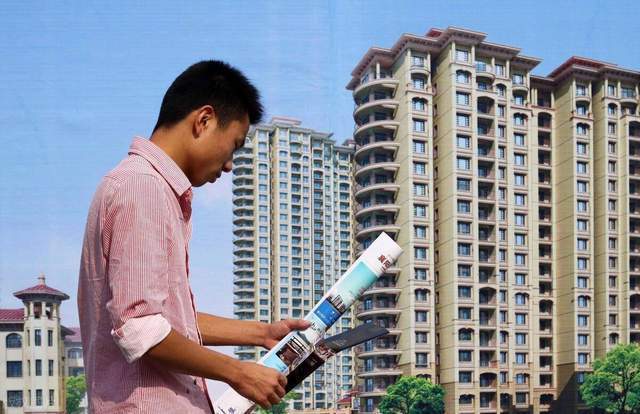
一个扎心的事实:未来五年,大多数房子或许会失去流动性!
Sou Hu Cai Jing· 2026-02-26 12:20
Core Insights - The real estate market has shifted from a speculative investment to a focus on actual living conditions, with policies emphasizing quality housing and community development [2][20] - The central government is encouraging the acquisition of existing homes for affordable housing, indicating a move towards stabilizing the real estate market [4][20] Group 1: Market Conditions - The inventory cycle for newly built residential properties in 100 cities has reached 27.4 months as of November 2025, significantly exceeding the reasonable level, particularly in third and fourth-tier cities where it is 40.3 months [4] - Population outflow in third and fourth-tier cities has reached 3.12 million, with cities like Tianjin and Nanyang losing over 300,000 residents annually, impacting housing demand [4][6] - The market is experiencing a gradual decline in liquidity, characterized by stagnant sales and increasing listings, particularly in areas with net population outflows [6][10] Group 2: Housing Quality and Demand - The quality of housing is under scrutiny, with many properties built under previous price controls showing signs of deterioration, leading to potential long-term vacancy and reduced demand [10][12] - The push for "four good" construction standards aims to improve housing quality, making it harder for lower-quality developments to find buyers in the future [10][12] - The shift towards selling completed homes allows buyers to assess quality and location, leading to a more discerning market where only well-located and high-quality properties maintain demand [12][20] Group 3: Policy Implications - The government is focusing on policies that support affordable housing and improve living conditions, which will influence market dynamics and consumer behavior [20] - Families are encouraged to evaluate their properties based on local population trends and amenities, as these factors will determine future liquidity and marketability [14][16] - The emphasis on high-quality development and urban renewal is expected to help absorb excess inventory and enhance overall living standards [18][20]


高人预测:2026年3月份起,房子、车子、存款或将迎来重大改变!
Sou Hu Cai Jing· 2026-02-24 08:46
Real Estate - The real estate market is entering a new adjustment phase, with policies indicating an increase in the proportion of existing home sales starting from March [2] - Developers are shifting focus to quality competition as their funding issues ease, moving away from the risks associated with pre-sales [2][25] - Homebuyers are now more inclined to physically inspect properties, reflecting a shift from speculative buying to practical decision-making [2][25] - In second and third-tier cities like Zhengzhou and Tianjin, the decline in housing prices is slowing, with homeowners adopting a wait-and-see attitude [2] - The market is transitioning from a general decline to a more differentiated performance, with core areas in first-tier cities maintaining demand despite external pressures [2] Automotive Industry - The penetration rate of new energy vehicles is expected to exceed 55% after March, becoming a dominant force in the automotive market [4] - Tax reductions on vehicle purchases are impacting low-priced models, while subsidy reductions are prompting manufacturers to focus on cost-effectiveness [4] - Consumers are shifting from impulsive buying to practical considerations, emphasizing range and reliability in their vehicle choices [4] - The automotive market is experiencing a slow recovery after a decline in sales during the first quarter, with new policies stimulating consumption [10] - Exports are projected to exceed 7 million units, with Chinese brands increasing their share in overseas markets [10][22] Deposit Market - The deposit market has seen a deepening of low interest rate trends since March, with one-year fixed deposit rates stabilizing around 1.35% [6][12] - Households are shifting their investment strategies towards more stable financial products due to shrinking income from deposits [6][12] - The focus on safety and risk diversification is becoming more pronounced among residents, leading to a decrease in high-risk investments [6][18] - The banking sector is adjusting its liability structure in response to pressure on net interest margins, with short-term product rates entering a low range [6][12] Overall Market Trends - The real estate market is experiencing a prolonged bottoming period, with sellers no longer eager to sell at a loss and buyers cautiously testing the waters [14][20] - The automotive industry is moving towards rational competition, with a focus on quality rather than just scale, as consumer preferences evolve [27][32] - The deposit market is characterized by low yields, with households prioritizing capital preservation over high returns [29][34]
高人预测:若不出意外,春节以后,国内或将迎来4个变化,很现实
Sou Hu Cai Jing· 2026-02-23 06:51
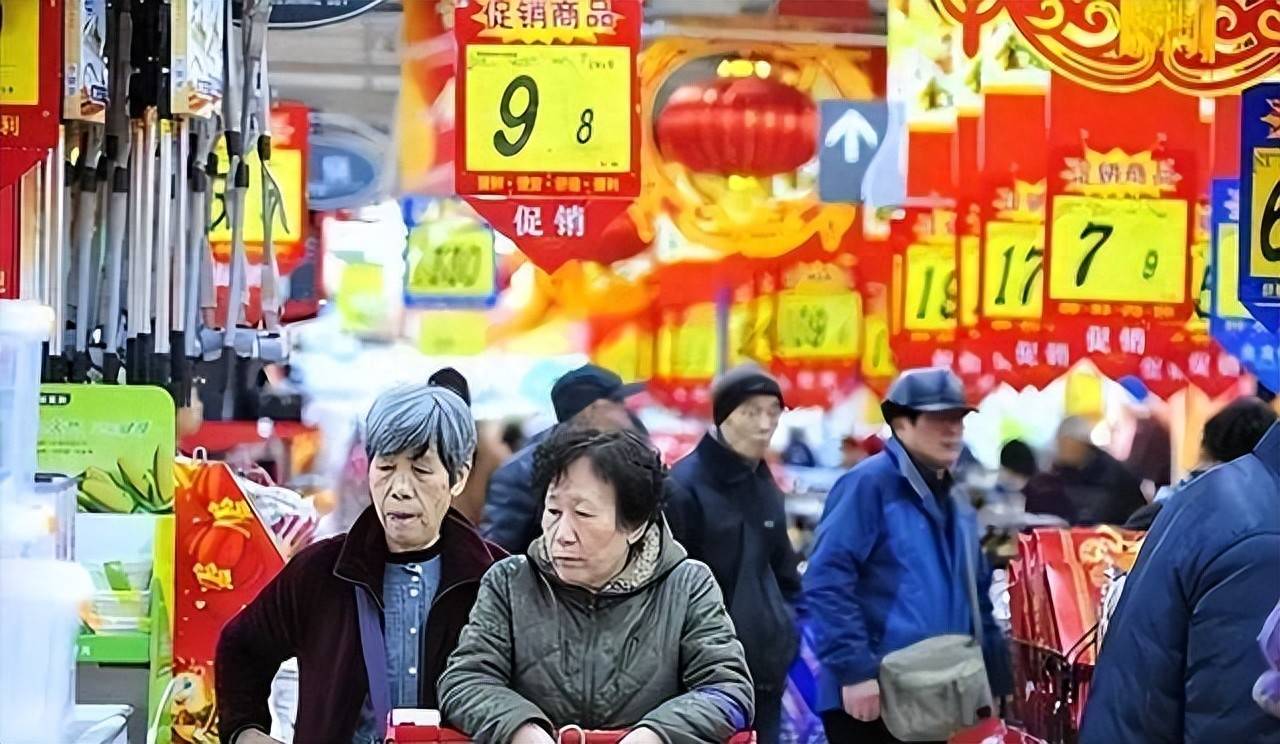
Group 1 - The job market is shifting towards valuing practical skills over theoretical knowledge, with a new initiative from the Ministry of Human Resources and Social Security aimed at enhancing vocational training [3][5] - There is a noticeable increase in demand for skilled workers, particularly in sectors like healthcare and community services, with companies now willing to hire older workers, expanding the age limit for job applicants to 45 years [5][7] - The government is introducing measures to protect the rights of gig economy workers, ensuring better social security coverage for flexible employment [5][7] Group 2 - Consumer spending behavior is changing, with a focus on practicality and essential goods rather than luxury items, as evidenced by a significant increase in sales related to trade-in programs [7][9] - The real estate market is stabilizing, with a 33% increase in second-hand home transactions in major cities, although prices are still declining by 0.85%, indicating a shift towards homeownership for personal use rather than investment [11][13] - The housing market is expected to remain stable, with low mortgage rates making it a favorable time for genuine homebuyers, while speculative buying is discouraged [13][15] Group 3 - Inflation rates are low, with a year-on-year increase of only 0.2% in consumer prices, leading to a perception that money is becoming more valuable [17][19] - The stability in prices for essential goods like pork and eggs, along with steady prices in home appliances and building materials, contributes to a sense of financial security among consumers [17][19] - The overall trend indicates a shift towards a more grounded and practical approach to daily life, emphasizing stability and real value in spending and investment decisions [19][20]
如不出意外,2026年房产或将面临3大转变,王石的预测应验了?
Sou Hu Cai Jing· 2026-02-19 10:33
Core Viewpoint - The article discusses the changing dynamics of the real estate market, highlighting that those who truly understand market trends are often not reliant on selling properties for profit. It emphasizes the shift from speculative growth driven by high leverage to a focus on quality and sustainability in the industry. Group 1: Market Dynamics - The era of reckless borrowing and speculative building in the real estate sector is over, with many companies previously operating under high debt levels now forced to reduce their liabilities due to regulatory measures [10][11] - The survival of real estate companies in the future will depend on maintaining clean financial records rather than taking excessive risks [11][12] - The shift towards selling completed properties rather than pre-sold units is becoming a significant trend, driven by buyer dissatisfaction with unfinished projects [13][14] Group 2: Quality Standards - The definition of a "good house" is evolving into a concrete standard, moving beyond mere quantity to emphasize quality in construction [20][21] - New construction standards are being implemented to address common issues such as low ceiling heights and poor sound insulation, reflecting a fundamental shift in the industry towards better living conditions [21][22] - As the market transitions, competition will increasingly focus on the quality of housing rather than the volume of units built, leading to the potential elimination of companies that do not adapt [22][24]

银行正式下场卖房!2026房价信号已现,普通人提前应对
Sou Hu Cai Jing· 2026-02-18 21:36
Core Insights - The banking sector is transitioning from merely providing loans to actively selling properties, including distressed and existing homes, at prices significantly lower than market rates, indicating a shift in strategy to manage real estate assets [1][3] - The government is implementing policies to stabilize the real estate market, focusing on reducing inventory and supporting housing demand, with a clear aim to maintain market stability and expectations [3][4] Group 1: Market Dynamics - In 2026, banks are expected to regularly engage in the marketization of real estate non-performing assets, improving efficiency in asset disposal by nearly 100% compared to traditional auction methods [3] - Properties sold directly by banks are priced 16% to 31% lower than similar properties in the same area, emphasizing clear ownership and transparent transactions [3] Group 2: Policy Measures - The Ministry of Housing and Urban-Rural Development has set goals for 2026 to control new supply, reduce inventory, and improve housing quality, with a focus on supporting first-time buyers and those seeking improved housing [3] - Recent tax reforms have reduced the value-added tax on personal sales of homes held for less than two years from 5% to 3%, and cities like Beijing, Shanghai, Guangzhou, and Shenzhen are exempting sales of homes held for over two years from this tax, aimed at stimulating the second-hand housing market [3] Group 3: Recommendations for Buyers - First-time buyers are encouraged to take advantage of low interest rates and low down payment opportunities by prioritizing bank-direct sales of quality properties with clear ownership [4] - Families looking to upgrade should focus on core areas with quality amenities and utilize tax incentives for reasonable property exchanges without overextending [5] - Investors holding multiple properties are advised to optimize their assets in light of improving market liquidity, suggesting timely sales rather than holding onto high-priced properties [6] Group 4: Market Outlook - The 2026 real estate market is characterized by neither explosive growth nor panic-driven declines, with banks selling properties signaling a rational return to market conditions [7] - Understanding policies and utilizing data effectively can help individuals navigate the market without anxiety or following trends blindly [8]

2026年房价转向在即,是马云预言还是市场必然?
Sou Hu Cai Jing· 2026-02-17 09:08
Core Viewpoint - The real estate market is undergoing a fundamental shift, moving from speculation to a focus on housing as a necessity, with significant changes in policies and market dynamics expected to stabilize prices and improve housing quality [1][5][8]. Group 1: Market Dynamics - The housing prices in major cities are entering a bottoming phase, marking the end of extreme volatility [4]. - The logic of the real estate market is fundamentally changing, moving from "speculation for profit" to "housing for living" [6]. - The government is implementing policies to control price fluctuations, ensuring that housing prices do not rise or fall dramatically, emphasizing stability [8]. Group 2: Policy Changes - The Ministry of Housing and Urban-Rural Development has set the tone for the housing market in 2026, focusing on controlling supply, reducing inventory, and promoting the sale of existing homes to prevent unfinished projects [7]. - New tax policies have been introduced, reducing the value-added tax on personal home sales from 5% to 3% for properties sold within two years, and exempting properties sold after two years from this tax nationwide [10]. - The central bank has lowered the down payment ratio for first-time homebuyers to a minimum of 15% and for second homes to 25%, alongside the lowest mortgage rates in nearly five years [11][12]. Group 3: Market Opportunities - Banks are now directly selling properties, with listings for repossessed and existing homes at prices 16%-31% lower than market rates, indicating a rapid move towards inventory reduction [13][14]. - The demographic data shows a decline in new births and an adequate supply of housing, leading to a rationalization of housing prices due to reduced demand [14]. - The shift towards selling existing homes means that developers must focus on quality and pricing based on real demand rather than speculative capital [14]. Group 4: Recommendations for Buyers - First-time buyers are encouraged to take advantage of low down payments, low interest rates, and reduced taxes by prioritizing the purchase of existing homes in prime locations [14]. - Families looking to upgrade should consider selling their older properties to acquire better-quality homes, benefiting from tax reductions [14]. - Investors holding multiple properties should consider selling less desirable assets to avoid losses, focusing on maintaining quality holdings [14].

不出意外!2026年3月起,房子、车子、存款或将迎来重大改变
Sou Hu Cai Jing· 2026-02-15 08:15
Economic Overview - In 2025, the domestic economy showed a "steady improvement" with a GDP of 140.19 trillion yuan, reflecting a 5.0% growth year-on-year at constant prices [1] - Consumer prices remained stable compared to 2024, indicating no significant inflation or deflation [1] - Challenges persist in the real estate market, with weak transaction volumes and declining consumer demand, alongside ongoing employment pressures [1] Real Estate Market Changes - The real estate market is expected to undergo three significant changes starting March 2026, with a continued downward trend in housing prices [3] - Housing prices in second and third-tier cities have seen declines exceeding 30%, while some areas near Beijing have experienced drops over 60% [5] - A divergence in housing price trends is anticipated, with smaller cities experiencing a slowdown in price declines, while first-tier cities like Shanghai and Shenzhen may face further price corrections due to high price-to-income ratios [5] Quality of Housing - Developers are shifting from a "rough development" model focused on speed and profit maximization to a focus on building quality homes, responding to increased consumer demands for better housing [6] - The government is encouraging developers to construct "good houses" to meet the needs of homebuyers [6] Sales Model Transition - There is a growing demand to replace the pre-sale system with actual sales of completed homes, driven by issues such as unfinished projects and consumer dissatisfaction [9] - The government plans to gradually increase the proportion of completed home sales in the market [9] Automotive Market Dynamics - The automotive market is experiencing significant price pressures, with many brands engaging in price wars, leading to substantial discounts [10] - Domestic brands like BYD and Xpeng have reduced prices by 20,000 to 30,000 yuan, while luxury brands like BMW have seen reductions of 80,000 to 90,000 yuan [12] - Factors contributing to this price decline include increased competition from new energy vehicles, the entry of new capital into the market, and rapid technological advancements leading to quicker obsolescence of older models [12] Deposit Rate Trends - Deposit rates have been on a downward trend, with one-year deposit rates falling from 2.25% to 1.35%, resulting in significantly lower interest income for savers [15] - The potential for further declines in deposit rates is limited due to the risk of inflation and the current rates being at historical lows, which could pose systemic financial risks [15]
宁不投,勿投错?2026年“好房子+现房销售+改善户型”被视为突围关键 | 追问“好房子”
Hua Xia Shi Bao· 2026-02-04 18:14
Core Viewpoint - The real estate industry is undergoing a deep adjustment in 2025, with both investment and sales declining, leading companies to adopt a cautious approach, emphasizing the need for a transformation in development paths [2][3]. Group 1: Market Performance - In 2025, total real estate development investment reached 82,788 billion yuan, a year-on-year decrease of 17.2%, with residential investment at 63,514 billion yuan, down 16.3% [3]. - The sales of new commercial housing amounted to 88,101 million square meters, a decline of 8.7% year-on-year, with sales revenue at 83,937 billion yuan, down 12.6% [3]. - Residential sales area decreased by 9.2% and sales revenue fell by 13.0%, indicating a more significant adjustment compared to the overall market [3]. Group 2: Strategic Directions - Urban renewal has been established as a core content of the new development model, with a focus on creating a new urban construction and real estate development model that aligns with the new stage of development [3][4]. - The transition towards urban renewal is seen as a critical direction for the transformation of the real estate industry, involving systemic changes in concepts, systems, and technologies [4]. - The industry is advised to consider macroeconomic variables such as exports, capital markets, technology, prices, and external demand when formulating policies [4]. Group 3: Investment Opportunities - Despite the overall market pressure, certain cities exhibit resilience, with some regions like Northeast China showing better performance than traditionally strong first-tier cities [6]. - The market is experiencing structural differentiation, with a cautious optimism towards first-tier cities as the gap in market conditions narrows [6]. - Developers are encouraged to focus on high-quality products and current housing sales to meet evolving consumer demands for features like spacious layouts and customized designs [6]. Group 4: Commercial Real Estate - The commercial real estate sector faces challenges, with average rents in major commercial streets declining by 0.81% year-on-year in the second half of 2025 [7]. - However, new opportunities in commercial real estate are emerging, particularly through public REITs and related institutional developments, which are seen as key to industry transformation [7]. - Companies are focusing on innovative investment strategies, including small-scale investments in projects and customized commercial properties to address operational challenges [7].
地方两会再提公积金改革 城市更新成高频词
2 1 Shi Ji Jing Ji Bao Dao· 2026-02-04 13:36
Core Viewpoint - The recent provincial-level local two sessions emphasize the importance of stabilizing the real estate market as a key task for 2026, focusing on high-quality development and new models for the industry [1][2]. Group 1: Stabilizing the Real Estate Market - Multiple provinces have highlighted the need to "stabilize the real estate market" in their government work reports, proposing specific measures such as controlling supply, reducing inventory, and improving the supply of housing [2]. - Guangdong Province aims to implement city-specific policies to manage supply and demand, enhance the transaction convenience of existing homes, and promote the construction of affordable housing [2]. - Jiangsu Province emphasizes tailored strategies for different regions and groups to stimulate housing demand, alongside reforms in the housing provident fund system [2]. Group 2: Urban Renewal - Urban renewal is a recurring theme in government work reports, with many regions committing to "high-quality urban renewal" through specific tasks like renovating old neighborhoods and upgrading infrastructure [4][5]. - Beijing plans to address safety issues in 507 old buildings and complete renovations in over 300 old neighborhoods, while Shanghai aims to accelerate the transformation of urban villages [4][5]. - The central urban work conference has shifted the focus of urbanization from rapid growth to stable development, making urban renewal a strategic priority for enhancing urban quality [6]. Group 3: Institutional Reforms - Several provinces are set to deepen reforms in the housing provident fund system, with expectations for significant changes in policies related to loan limits and usage [7][8]. - The housing sales system is also expected to undergo gradual reforms, particularly in third and fourth-tier cities with high inventory levels [8]. - The concept of "good housing" has gained traction, with provinces integrating it into broader community development plans, indicating a systematic approach to housing quality [9][10].
2026年,老百姓要做好“潮水退去”的准备?房地产会有这4个趋势
Sou Hu Cai Jing· 2026-01-31 05:54
Core Viewpoint - The Chinese real estate market is experiencing a long-term adjustment, with average national housing prices dropping over 30%, and certain cities seeing declines exceeding 60% [1][3]. Group 1: Trends in the Real Estate Market - Trend 1: Housing prices are beginning to show differentiation across regions, with second and third-tier cities experiencing a slowdown in price declines, while first-tier cities are likely to face a correction [5][3]. - Trend 2: A dual-track system in real estate is expected to emerge, allowing low-income families to apply for affordable housing while middle and high-income families can opt for purchasing such properties [7][3]. - Trend 3: The construction of quality housing is anticipated to become mainstream, as buyer expectations rise and government encourages developers to focus on quality [9][3]. - Trend 4: The proportion of existing home sales is projected to increase, allowing buyers to inspect properties before purchase, thereby reducing the incidence of unfinished buildings [11][3]. Group 2: Future Market Outlook - By 2026, housing prices are likely to continue a trend of "steady decline," with the expectation that housing market bubbles will be eliminated, prompting consumers to prepare for a significant market shift [11][3].