
食物中毒

Search documents
这7种食物看似没坏但可能“有毒”,快检查你家有没有
Xin Lang Cai Jing· 2026-01-20 12:46
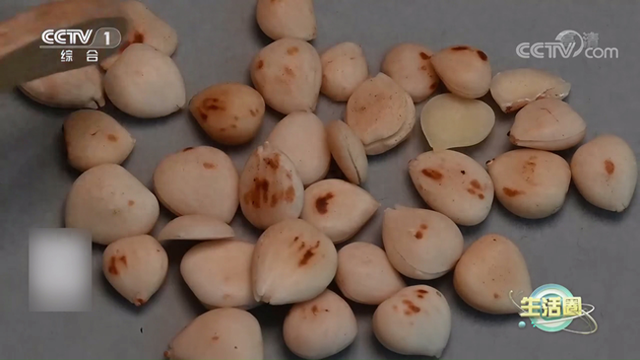
Group 1 - The article highlights the potential health risks associated with consuming certain foods that may appear safe but can lead to food poisoning [1][4][6] - It emphasizes the dangers of improperly stored nuts, which can develop harmful toxins like aflatoxin and cyanide from bitter almonds [1][3] - The article warns against consuming long-soaked wood ear mushrooms due to the risk of mycotoxin poisoning, particularly from the bacteria producing heat-resistant toxins [4][5] Group 2 - It discusses the hazards of eating sprouted potatoes, which contain solanine, a natural toxin that increases significantly when potatoes sprout or turn green [6][7] - The article points out that bitter fruits and vegetables can contain cucurbitacin, a toxin that affects the nervous system and is not destroyed by cooking [7][8] - It advises against consuming partially rotten or moldy fruits and vegetables, as they can harbor harmful bacteria and toxins like nitrites and mycotoxins [8][9] Group 3 - The article mentions the risks associated with red-hearted sugarcane, which indicates mold contamination and the presence of 3-nitropropionic acid, a potent neurotoxin [9][10] - It warns about the dangers of consuming dead crabs, which can accumulate histamines that remain toxic even after cooking, leading to allergic reactions [11][12]

新华社:日本113人食物中毒
Xin Lang Cai Jing· 2025-12-20 07:47
Core Viewpoint - A food poisoning incident in Japan has affected 113 individuals, leading to the temporary closure of a restaurant in Higashi-Osaka City for three days due to the outbreak linked to its takeaway food [1] Group 1: Incident Details - The local health department reported that the restaurant's food, prepared between the 12th and 13th of the month, was responsible for the outbreak [1] - Symptoms reported by affected individuals included vomiting and diarrhea, with some testing positive for norovirus [1] Group 2: Regulatory Response - The restaurant has been ordered to cease operations for a period of three days starting from the 20th of the month as a penalty for the health violation [1]
气温偏高助推韩国食物中毒病例激增
Xin Hua She· 2025-10-06 08:33
Group 1 - The number of food poisoning cases in South Korea from January to August this year has exceeded the total for the entire previous year, with 7,884 cases reported, an increase of 260 cases compared to last year [1] - Norovirus is the leading cause of food poisoning cases, accounting for nearly 30% of the total, followed by Salmonella at approximately 10% [1] Group 2 - Educational institutions with collective dining facilities, such as daycare centers, kindergartens, and primary and secondary schools, have seen a significant increase in food poisoning cases, with 810 cases reported in daycare centers, over 17 times last year's total [2] - The report indicates that for every 1 degree Celsius increase in temperature, Salmonella infection cases increase by about 47% [2] - Experts attribute the surge in food poisoning cases to climate change and the resulting heatwaves, urging the government to implement comprehensive food safety measures [2]

发现马上扔!一家四口吃了被放倒!医生:煮熟也没用
中国基金报· 2025-08-03 11:23
Core Viewpoint - The article highlights the dangers of consuming bitter gourds, specifically the bitter loofah, which can contain toxic compounds that lead to severe health issues if ingested [2][3][9]. Group 1: Incidents of Poisoning - A man in Fuzhou experienced severe symptoms after consuming a bitter loofah, including vomiting, chest tightness, and loss of consciousness, leading to hospitalization [3][4]. - In June 2020, a family in Zhejiang suffered from similar symptoms after eating a bitter loofah, with one member requiring hospitalization [5]. - In July 2020, children in Guangdong were hospitalized due to poisoning from bitter loofah, experiencing abdominal pain and gastrointestinal symptoms [7][8]. Group 2: Toxicity of Bitter Gourds - Bitter loofah contains "glycoside toxins," which cannot be destroyed by cooking and can cause severe gastrointestinal symptoms, potentially threatening life [3][15]. - The bitterness in loofah is linked to a genetic mutation that produces a highly toxic substance known as "gourd toxin" [9][10]. - Symptoms of poisoning can range from mild (dry mouth, dizziness) to severe (vomiting, abdominal pain, shock) [10][15]. Group 3: Identification and Prevention - Consumers are advised to taste a small piece of peeled bitter loofah before cooking; if it tastes bitter, it should be discarded [4][11]. - Other gourds, such as bitter melon and certain types of cucumbers, should also be checked for abnormal bitterness before consumption [4][12]. - The article emphasizes that not all bitter foods are beneficial, and some may indicate the presence of toxins [12][13]. Group 4: Vulnerable Populations - Certain groups, including women during menstruation, individuals with weak constitutions, and those with digestive issues, should be particularly cautious about consuming bitter foods [19][20][21].

「干净又卫生」,这就是食物中毒超级大国
36氪· 2025-07-13 12:00
Core Viewpoint - The article highlights the severe public health crisis in India due to widespread food poisoning and unsafe drinking water, emphasizing that millions suffer from foodborne illnesses annually, with over 400,000 deaths attributed to food poisoning each year [5][21][58]. Group 1: Food Poisoning Crisis - India experiences millions of cases of foodborne diseases each year, with a significant increase in incidents during the summer months from June to September [5][3]. - High-profile cases of food poisoning have affected both common citizens and celebrities, indicating a systemic issue with food safety across all societal levels [10][12][15]. - Data from the Integrated Disease Surveillance Program (IDSP) shows that food poisoning accounted for 31.5% of total illness cases and 8.7% of total deaths in certain states from 2008 to 2018 [17]. Group 2: Causes of Food Poisoning - The article attributes the rise in food poisoning incidents to a combination of natural disasters and human factors, with environmental conditions in tropical regions exacerbating the problem [23][24]. - High temperatures in India contribute to food spoilage, particularly during religious gatherings where food is prepared in advance and left unrefrigerated [30][33]. - Contaminated water sources are a major contributor to foodborne illnesses, with approximately 70% of surface water in India deemed unsafe for drinking [40][44]. Group 3: Water Quality Issues - The article states that India faces a critical shortage of clean drinking water, with both rural and urban areas struggling to provide safe water to their populations [49][51]. - A significant portion of the population relies on untreated water, leading to widespread health issues, including gastrointestinal diseases caused by contaminated water [44][58]. - The lack of proper water treatment infrastructure and the aging pipeline systems in cities contribute to the ongoing water crisis [53]. Group 4: Societal Implications - The high population density in India exacerbates environmental challenges, making the health crisis a national concern [54][56]. - Cultural practices and beliefs, such as consuming untreated water from sacred rivers, hinder public health efforts and contribute to the persistence of food poisoning [62]. - The article calls for a comprehensive movement to improve public health standards, emphasizing the need for education and infrastructure development to ensure safe food and water for all [65].
韩国校园接连发生疑似集体食物中毒事件,韩国紧急开展卫生检查
Sou Hu Cai Jing· 2025-07-06 11:23
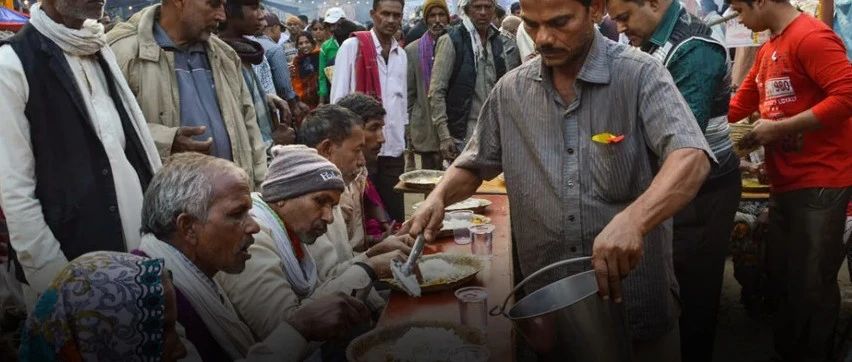
Group 1 - Recent suspected mass food poisoning incidents in South Korea have raised widespread concern, affecting multiple schools and companies [1] - As of now, a total of 297 individuals have reported symptoms of suspected food poisoning, with 49 requiring hospitalization [1] - The majority of affected individuals consumed lunch provided by the same catering company, which has led to investigations involving 20 companies serviced by this provider, with 13 reporting symptoms [1] Group 2 - South Korea has issued high-temperature warnings nationwide, increasing the risk of foodborne illnesses due to high humidity [2] - A food poisoning risk assessment system indicates that the risk level is at the second highest "warning" stage, with areas like Seoul and Incheon at the highest "serious" level [2] - Health inspections have been conducted in key areas such as restaurants and catering companies, revealing unsatisfactory hygiene conditions in 11 out of 6,536 inspected daycare kitchens, and violations in 4 out of 174 egg processing facilities [2]