餐饮副牌战略

Search documents
一个月10多个副牌齐开,餐饮巨头们在急什么?
3 6 Ke· 2026-01-07 02:44
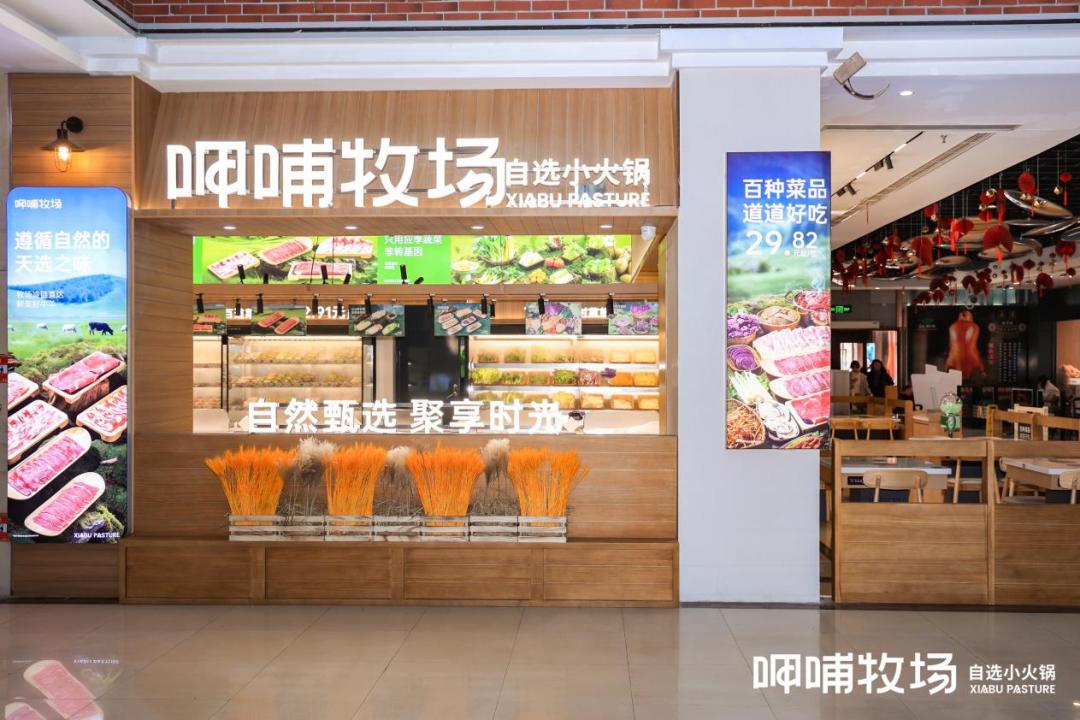
Core Insights - The restaurant industry is witnessing a resurgence of "sub-brands" as major players like Haidilao, Yum China, and others launch new concepts to capture market share and cater to specific consumer needs [1][2] Group 1: Sub-brand Launches - Major restaurant brands are intensifying their focus on sub-brands, with Haidilao introducing a lively hot pot concept, Yum China launching two new independent sub-brands, and others like Jiumaojiu and Maliuji also expanding their offerings [1] - The recent trend shows a shift from blindly expanding product categories to targeting specific customer segments and dining scenarios [1][2] Group 2: Strategic Focus and Upgrades - Brands are prioritizing quality and price-performance ratio, as seen with Xiabuxiabu's new self-service hot pot, which offers competitive pricing while aiming to differentiate from its main brand [3] - Jiumaojiu is narrowing its sub-brand strategy, focusing on upgrading its flagship brand Tai Er, which is evolving into a more diverse dining experience [3] Group 3: Cost Structure and Operational Efficiency - Major brands are adopting a "light asset" model for sub-brands, reducing operational costs and risks by leveraging existing resources [13][14] - KCOFFEE exemplifies this model by utilizing KFC's infrastructure for rapid expansion, while Pizza Hut's new sub-brand also follows a similar cost-saving strategy [14][16] Group 4: Market Penetration Strategies - The industry is increasingly targeting lower-tier cities and international markets, with brands like Haidilao and Jiumaojiu making strategic moves to penetrate these areas [23][25] - Haidilao's acquisition of "Jugaogao" aims to meet the demand for affordable dining in lower-tier cities, while Jiumaojiu's acquisition of BigWayHotPot facilitates its entry into the North American market [25]



年终盘点|回归商业本质:餐饮业新业务、现炒与降价的突围战
Sou Hu Cai Jing· 2025-12-31 09:18
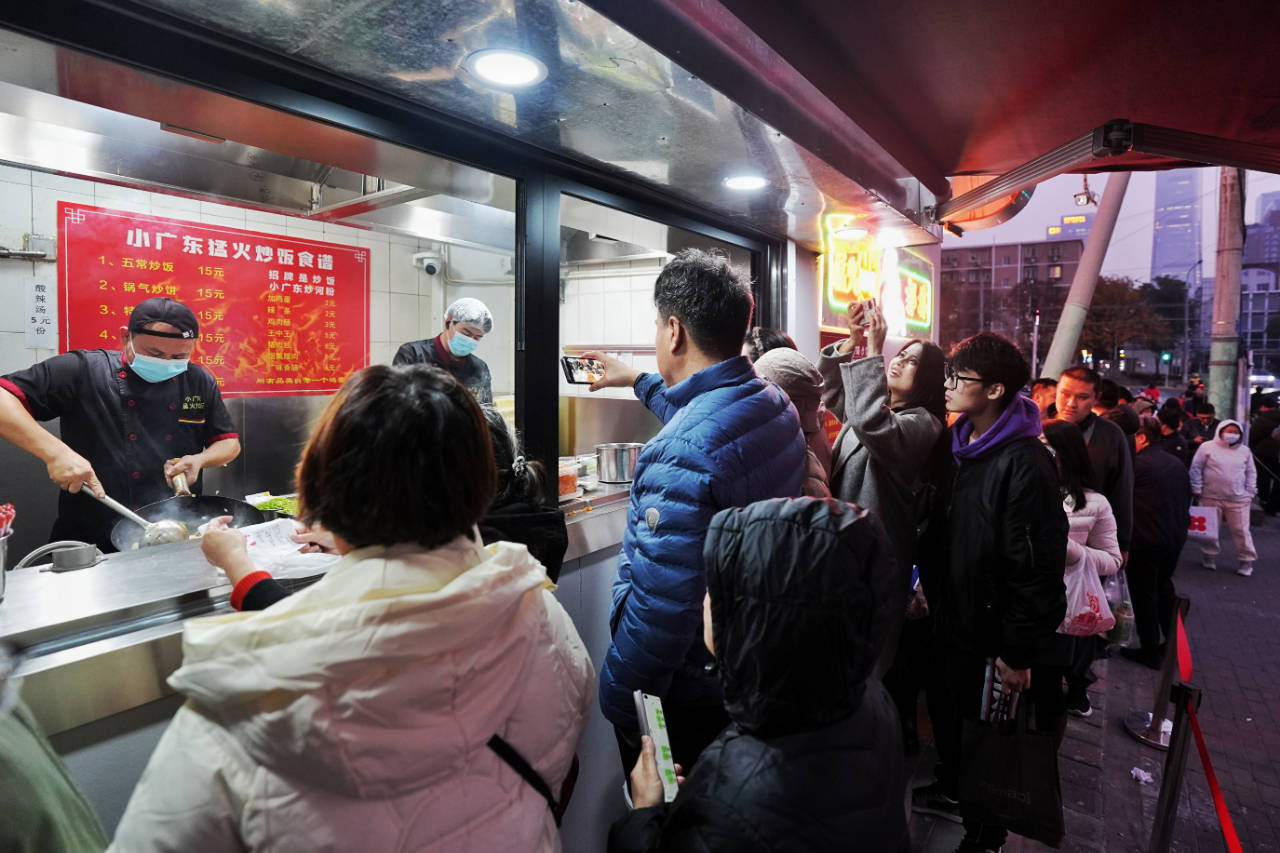
Core Insights - The restaurant industry in China is facing significant operational pressures in 2025, prompting companies to adopt various self-rescue strategies to regain consumer trust and focus on core business principles [1] Group 1: New Business Models - Major brands are launching sub-brands to explore new growth avenues, such as "Xiao Ma Liu" by Ma Liu Ji, which focuses on a lighter dining experience with a lower average spend of around 60 yuan compared to the main brand's 100 yuan [2] - Haidilao has opened community stores and a new style of hot pot restaurant, successfully diversifying into 14 different restaurant brands under its "Red Pomegranate Plan," generating 597 million yuan in revenue, a 227% year-on-year increase [2] - The introduction of new dining concepts like "Xiaboo Ranch" by Xiaoboo and "Bisheng Grilled Skewers" reflects a trend towards offering high-quality yet affordable dining experiences aimed at younger consumers [3] Group 2: Price Adjustments - Many restaurant brands have quietly reduced prices in response to declining customer spending, with notable examples including Jiumaojiu's price cuts and He Fu's 30% reduction in main product prices [4][5] - The average customer spending in the Chinese dining sector has seen a significant decline, with traditional Chinese dining experiencing a 29.5% drop in average spending since 2023 [5] Group 3: Shift Towards Freshly Cooked Meals - There is a growing consumer demand for freshly cooked meals, leading to a resurgence of "freshly stir-fried" offerings in the market, as seen with brands like Xi Bei and various noodle shops [6][7] - The trend towards "freshly cooked" is also influencing the takeaway sector, with companies like Qixian Xiaochu emphasizing fresh ingredients and transparent cooking processes [7] Group 4: Market Outlook - The overall revenue for the restaurant industry is projected to achieve low single-digit growth, reaching 5.7 trillion yuan in 2025, despite a high closure rate of restaurants [3] - Industry experts believe that returning to quality and service fundamentals will be crucial for companies to navigate the competitive landscape and seize new opportunities [8]