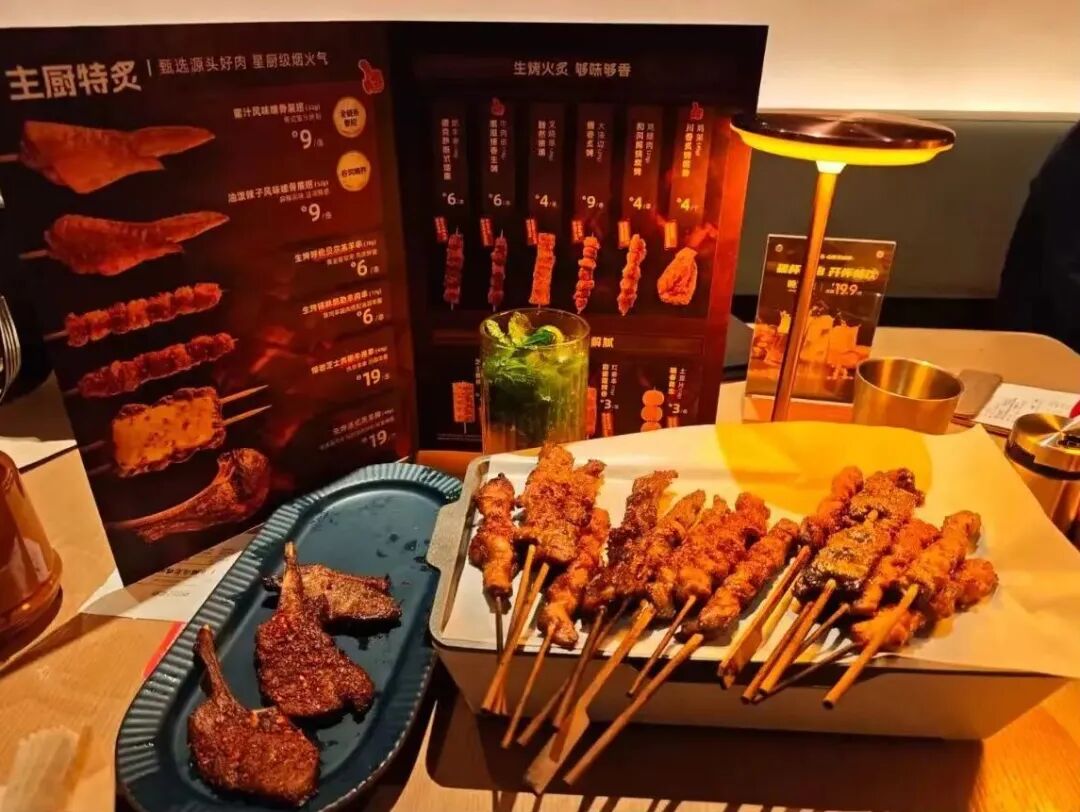
必胜炙烤串

Search documents
必胜客狂开副牌,萨莉亚却赚不动了
3 6 Ke· 2026-01-19 03:11
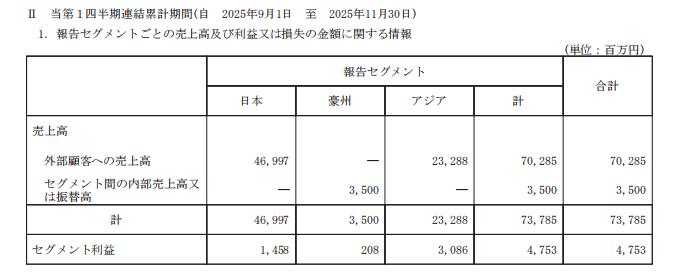
Core Insights - The company is facing a "revenue growth without profit growth" dilemma in the Chinese market, contrasting with strong performance in its domestic Japanese market [1][4]. Financial Performance - For the first quarter of fiscal year 2026 (September to November 2025), the company reported total sales of 70.2 billion yen, a 15% year-on-year increase, and operating profit rose by 19% to 4.6 billion yen [2]. - Adjusted net profit increased by 16% to 3 billion yen, marking the highest level for the same period in two years [2]. Segment Analysis - The Japanese market significantly contributed to overall performance, with sales exceeding 46.9 billion yen, a year-on-year increase of 18.9%, and operating profit reaching 1.4 billion yen, up 184.7% [3]. - In contrast, the Asian segment, primarily driven by China, reported sales of 23.3 billion yen, a 7.1% increase, but operating profit decreased by 6.1% to 3.1 billion yen [4]. Market Strategy and Challenges - The company has been expanding its store presence in China, with 709.61 billion yen in sales last fiscal year, accounting for 84.7% of the Asian market's performance [4]. - Despite opening new stores, the Asian segment's profitability has been declining, attributed to local consumption slowdowns and strategic challenges in major cities [4][6]. - The company has over 490 stores in major cities like Beijing, Shanghai, and Guangzhou, but profits in these areas have dropped significantly, with declines of 23.6%, 27.3%, and 20.3% respectively [6]. Industry Trends - The overall Western dining market in China is experiencing a slowdown, with a projected market size of 82 billion yuan in 2025, reflecting a growth rate of only 3.5%, which is half of what it was two years ago [7]. - Competitors like Pizza Hut are gaining momentum in the Chinese market through innovative store formats and lower pricing strategies, indicating a shift in consumer preferences [9].

一个月10多个副牌齐开,餐饮巨头们在急什么?
3 6 Ke· 2026-01-07 02:44
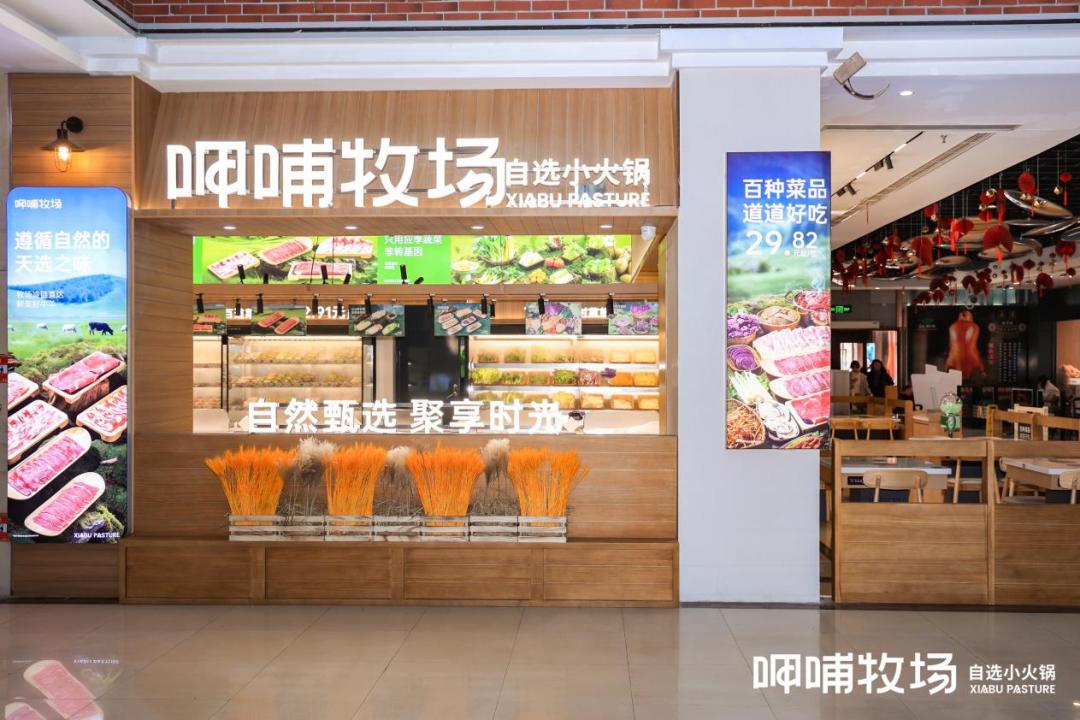
Core Insights - The restaurant industry is witnessing a resurgence of "sub-brands" as major players like Haidilao, Yum China, and others launch new concepts to capture market share and cater to specific consumer needs [1][2] Group 1: Sub-brand Launches - Major restaurant brands are intensifying their focus on sub-brands, with Haidilao introducing a lively hot pot concept, Yum China launching two new independent sub-brands, and others like Jiumaojiu and Maliuji also expanding their offerings [1] - The recent trend shows a shift from blindly expanding product categories to targeting specific customer segments and dining scenarios [1][2] Group 2: Strategic Focus and Upgrades - Brands are prioritizing quality and price-performance ratio, as seen with Xiabuxiabu's new self-service hot pot, which offers competitive pricing while aiming to differentiate from its main brand [3] - Jiumaojiu is narrowing its sub-brand strategy, focusing on upgrading its flagship brand Tai Er, which is evolving into a more diverse dining experience [3] Group 3: Cost Structure and Operational Efficiency - Major brands are adopting a "light asset" model for sub-brands, reducing operational costs and risks by leveraging existing resources [13][14] - KCOFFEE exemplifies this model by utilizing KFC's infrastructure for rapid expansion, while Pizza Hut's new sub-brand also follows a similar cost-saving strategy [14][16] Group 4: Market Penetration Strategies - The industry is increasingly targeting lower-tier cities and international markets, with brands like Haidilao and Jiumaojiu making strategic moves to penetrate these areas [23][25] - Haidilao's acquisition of "Jugaogao" aims to meet the demand for affordable dining in lower-tier cities, while Jiumaojiu's acquisition of BigWayHotPot facilitates its entry into the North American market [25]


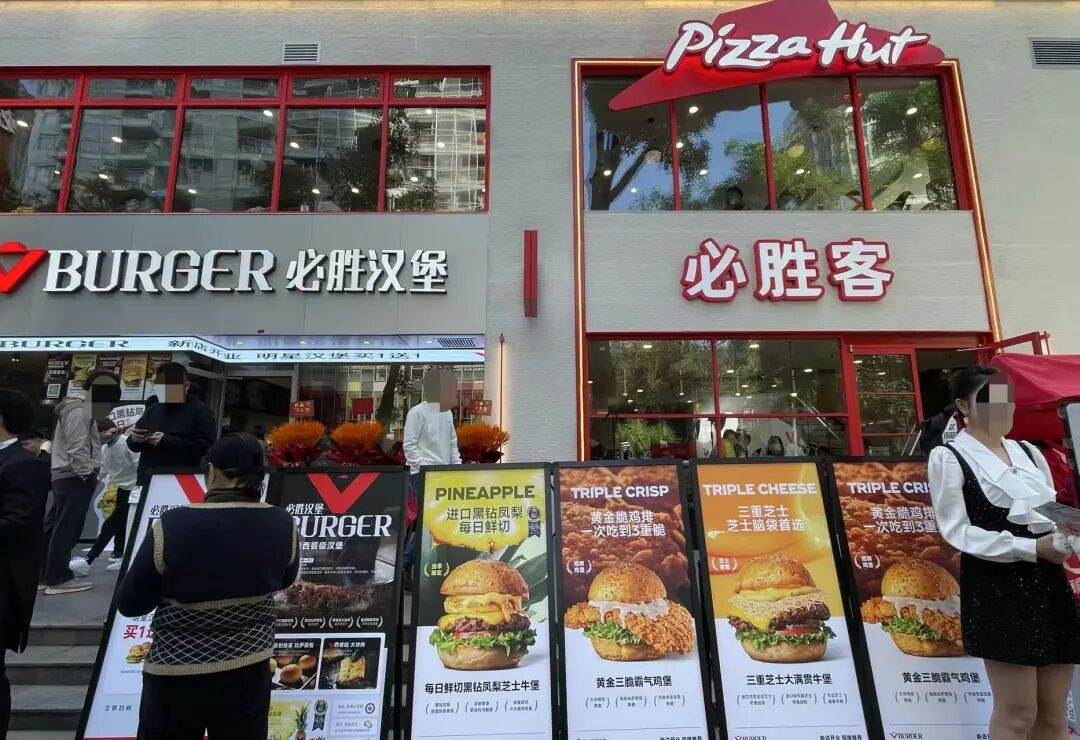
试水两年,必胜客汉堡专门店开业,西式快餐巨头混战升级
Xin Lang Cai Jing· 2026-01-04 03:40
Core Viewpoint - Yum China is expanding its brand portfolio with the launch of "Pizza Hamburger," a new hamburger chain that emphasizes freshly made, high-quality burgers, aiming to differentiate itself in a competitive market [1][10]. Group 1: Product Offering - The "Pizza Hamburger" chain features hamburgers starting at 23 yuan, with an average consumer spending of over 40 yuan, comparable to Pizza Hut's pricing [1][7]. - The menu includes 10 types of hamburgers, 8 snacks, and 9 beverages, totaling nearly 30 SKUs, which is considered diverse for a hamburger specialty store [7][10]. - The hamburgers are made with unique ingredients, such as beef sauce made from sun-dried tomatoes and organic selenium-rich eggs, emphasizing freshness and quality [7][3]. Group 2: Store Concept and Design - The first two "Pizza Hamburger" locations are situated in key commercial areas of Shenzhen, designed to operate independently from Pizza Hut with separate kitchens and dining areas [2][10]. - The open kitchen concept allows customers to see the cooking process, enhancing the dining experience [5][3]. Group 3: Market Positioning and Strategy - The launch of "Pizza Hamburger" follows a successful trial of the "Pizza Burger" product line, which was introduced in late 2023 and received positive consumer feedback [11][12]. - The brand aims to target the single dining experience, contrasting with Pizza Hut's focus on group dining, and is positioned in a high-end segment of the market [10][12]. - The competitive landscape includes established players like KFC and McDonald's, as well as emerging brands like Wei's Hamburger, which poses significant challenges [12][14]. Group 4: Future Prospects - Yum China's extensive network of over 4,000 Pizza Hut locations provides a strong support system for the new brand, potentially allowing for rapid expansion if the initial model proves successful [14]. - The company is actively pursuing a strategy of launching specialized sub-brands to attract younger consumers, indicating a trend towards diversification in the restaurant industry [14].
客单价40元,必胜客试水汉堡店
Guo Ji Jin Rong Bao· 2025-12-31 14:35
Core Insights - Pizza Hut is expanding its hamburger segment with the launch of "Pizza Hut Burger" in Shenzhen, marking a strategic move towards diversification in the fast-food market [1][3] Company Strategy - The introduction of "Pizza Hut Burger" aligns with the growing demand for single-serving meals, showcasing the brand's focus on innovation within the hamburger category [3] - The company plans to open over 600 new stores annually for the next three years, aiming to exceed 6,000 stores by 2028, with a goal to double operating profit by 2029 compared to 2024 [4] Market Position - The hamburger market is highly competitive, dominated by major players like McDonald's and KFC, while local brands such as Wallace and Tastin are also performing strongly [3] - The launch of "Pizza Hut Burger" indicates internal competition within Yum China, as both Pizza Hut and KFC operate under the same umbrella [3] Store Expansion - In the first nine months of 2025, Pizza Hut added 298 new stores, bringing the total to 4,022, with a significant increase in franchise stores expected to rise from 20%-30% to 40%-50% by 2028 [6] - The company is currently in a phase of "price for volume" adjustment, with a 4% year-on-year increase in system sales and a 1% increase in same-store sales for Q3 2025, despite a 13% decrease in average transaction value [6] Sales Performance - The reliance on delivery services is increasing, with a 27% year-on-year growth in delivery sales, accounting for 48% of total restaurant revenue, up from approximately 39% in 2024 [6]
年终盘点|回归商业本质:餐饮业新业务、现炒与降价的突围战
Sou Hu Cai Jing· 2025-12-31 09:18
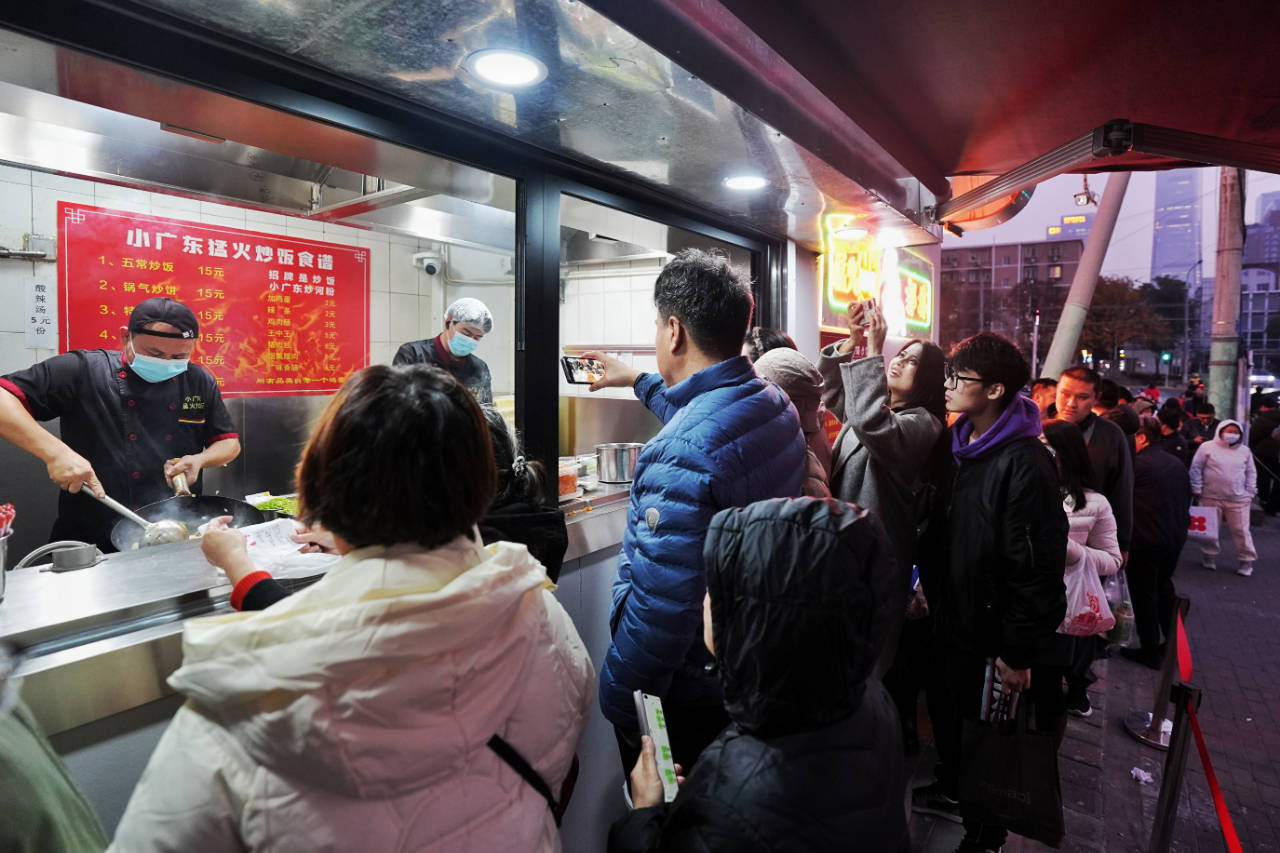
Core Insights - The restaurant industry in China is facing significant operational pressures in 2025, prompting companies to adopt various self-rescue strategies to regain consumer trust and focus on core business principles [1] Group 1: New Business Models - Major brands are launching sub-brands to explore new growth avenues, such as "Xiao Ma Liu" by Ma Liu Ji, which focuses on a lighter dining experience with a lower average spend of around 60 yuan compared to the main brand's 100 yuan [2] - Haidilao has opened community stores and a new style of hot pot restaurant, successfully diversifying into 14 different restaurant brands under its "Red Pomegranate Plan," generating 597 million yuan in revenue, a 227% year-on-year increase [2] - The introduction of new dining concepts like "Xiaboo Ranch" by Xiaoboo and "Bisheng Grilled Skewers" reflects a trend towards offering high-quality yet affordable dining experiences aimed at younger consumers [3] Group 2: Price Adjustments - Many restaurant brands have quietly reduced prices in response to declining customer spending, with notable examples including Jiumaojiu's price cuts and He Fu's 30% reduction in main product prices [4][5] - The average customer spending in the Chinese dining sector has seen a significant decline, with traditional Chinese dining experiencing a 29.5% drop in average spending since 2023 [5] Group 3: Shift Towards Freshly Cooked Meals - There is a growing consumer demand for freshly cooked meals, leading to a resurgence of "freshly stir-fried" offerings in the market, as seen with brands like Xi Bei and various noodle shops [6][7] - The trend towards "freshly cooked" is also influencing the takeaway sector, with companies like Qixian Xiaochu emphasizing fresh ingredients and transparent cooking processes [7] Group 4: Market Outlook - The overall revenue for the restaurant industry is projected to achieve low single-digit growth, reaching 5.7 trillion yuan in 2025, despite a high closure rate of restaurants [3] - Industry experts believe that returning to quality and service fundamentals will be crucial for companies to navigate the competitive landscape and seize new opportunities [8]
谁主lululemon?丨消费参考
2 1 Shi Ji Jing Ji Bao Dao· 2025-12-31 01:57
Group 1 - Lululemon is facing a power struggle as founder Chip Wilson is attempting to reshape the company's board by nominating three candidates for board positions [1] - The nominated candidates include former executives from On, ESPN, and Activision, indicating Wilson's intent to influence the company's direction [1] - Calvin McDonald, the current CEO, is set to resign effective January 31, 2026, which has prompted Wilson to express dissatisfaction with both McDonald and the board [2][3] Group 2 - Wilson has criticized the board for failing to hold management accountable for product innovation and for losing touch with the brand's core market, leading to a decline in brand value [2] - Despite Wilson's efforts, he is not the largest shareholder, holding approximately 9% of Lululemon's shares, which raises questions about his ability to effect change [3] - Elliott Management, a well-known activist investor, holds over $1 billion in Lululemon shares and is also recommending candidates for the next CEO position [3] Group 3 - Lululemon's performance in the Americas has been struggling, with net revenue declining by 2% year-over-year to $1.7 billion, accounting for 68% of total revenue [4] - In contrast, the company has seen significant growth in the Chinese market, with net revenue increasing by 46% to $465.4 million, representing 18% of total revenue [5] - The company is experiencing a competitive landscape in China, which may require careful adjustments to its strategy [6][8]

必胜客上海首推烤串夜宵,羊肉串6元歌手驻唱
Cai Jing Wang· 2025-12-30 04:41
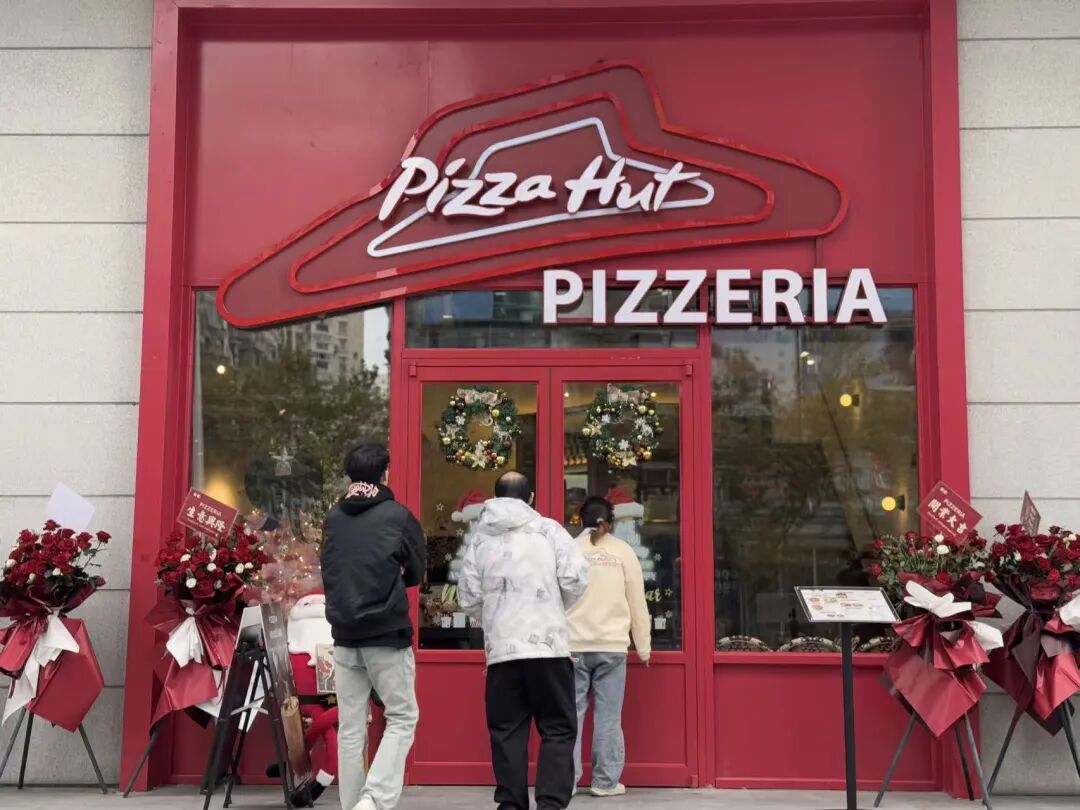
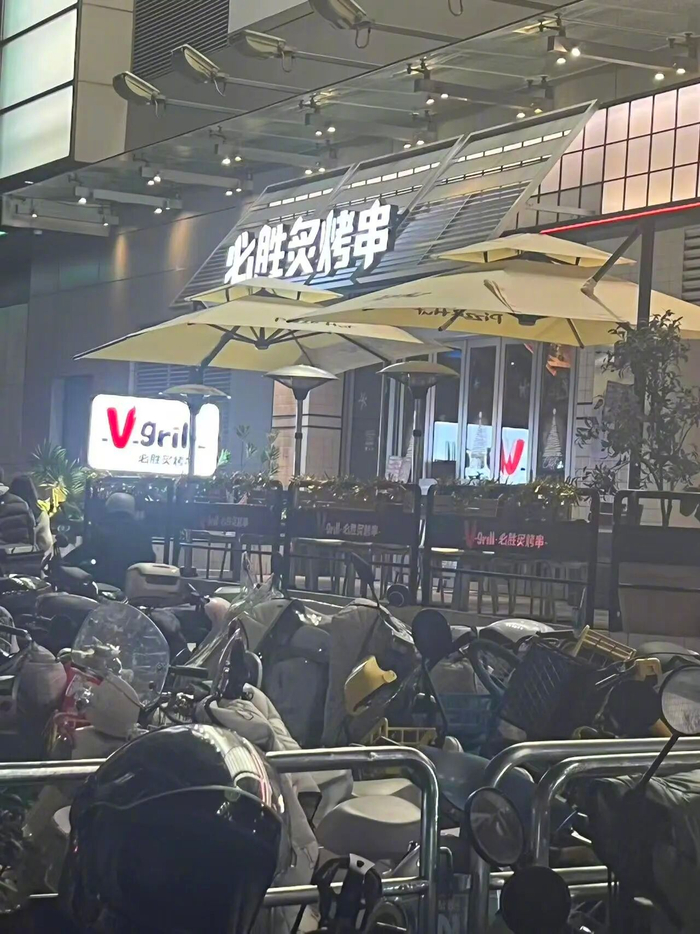
Group 1 - Pizza Hut has launched a new concept called "Bisheng Grilled Skewers" in its Shanghai Danning store, operating from 5 PM to midnight, offering a separate menu for skewers and alcoholic beverages [1] - The skewer prices range from 3 to 19 yuan, with lamb skewers priced at 6 yuan each and grilled lamb chops at 19 yuan each, with an average consumer spending of around 70 yuan, comparable to mainstream barbecue brands [1] - The new concept includes live music to enhance the dining atmosphere, similar to strategies employed by other restaurant brands seeking growth through diversification [2] Group 2 - Pizza Hut has also opened its first hamburger specialty store, "Bisheng Hamburger," in Shenzhen, indicating a broader strategy of diversifying its offerings [2] - The seating capacity during the evening was noted to be low, with some patrons being bloggers visiting for promotional purposes, highlighting potential challenges in attracting a consistent customer base [2]

必胜客、九毛九、海底捞,都盯上了这个千亿赛道
3 6 Ke· 2025-12-30 02:56
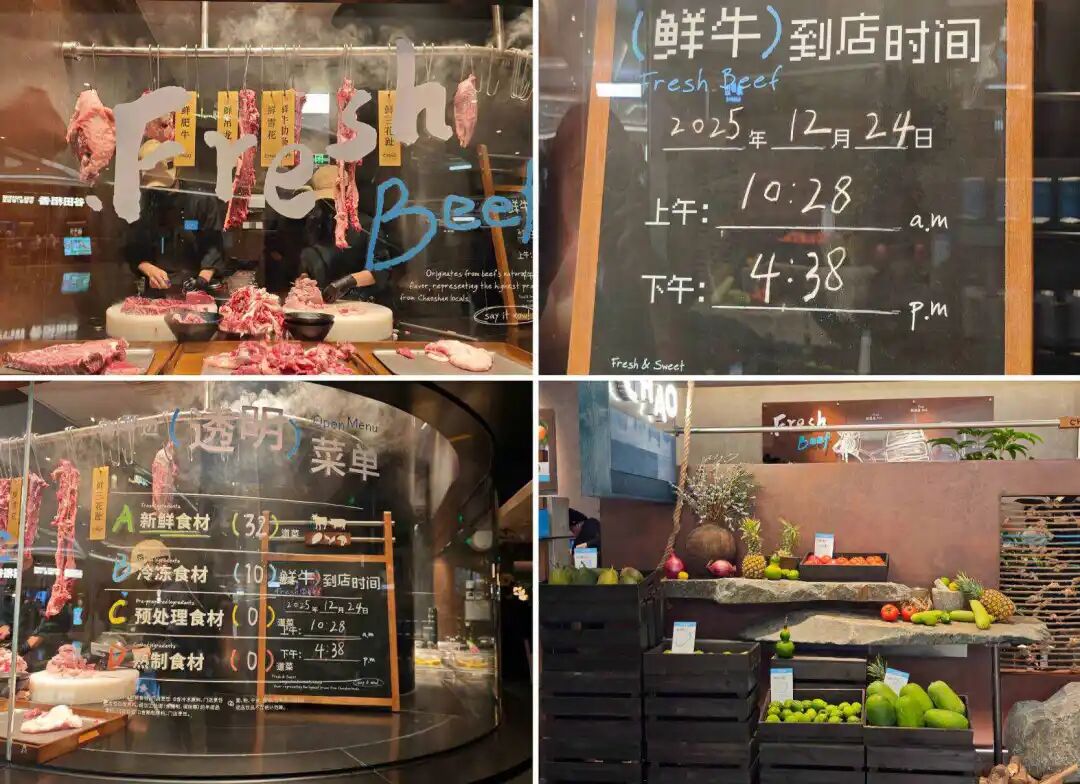
Core Insights - Major restaurant chains like Pizza Hut and Jiumaojiu are entering the barbecue market, following Haidilao's earlier move, indicating a growing interest in this segment [1][10]. Company Strategies - Jiumaojiu is launching a new brand focused on Chaozhou beef barbecue, with an average customer spend of approximately 126 yuan, emphasizing fresh ingredients and a transparent supply chain [2][4]. - Pizza Hut's new brand "Pizza Hut Grilled Skewers" operates in a dual capacity, serving traditional pizza during the day and barbecue at night, with an average spend of around 70 yuan [7][8]. Market Dynamics - The barbecue market in China is projected to exceed 600 billion yuan in 2024, with over 520,000 stores, but lacks dominant brands, presenting opportunities for major players [10][11]. - The entry of leading brands into the barbecue sector is driven by the potential for resource sharing, such as supply chain and operational efficiencies, which can significantly reduce costs [11][13]. Competitive Landscape - The barbecue industry is experiencing a dichotomy, with traditional models facing challenges while innovative concepts are emerging, such as self-service and interactive dining experiences [14][22]. - New entrants in the Korean barbecue segment are adapting to consumer preferences for social dining experiences, moving away from traditional marketing strategies [16][19]. Innovation and Trends - The self-service barbecue model is evolving, focusing on product quality and customer experience, with brands like "Liulang Paopao" leading in value competition [17][19]. - Innovative dining formats, such as rotating conveyor belt systems and barbecue convenience stores, are enhancing customer engagement and operational efficiency [21][22].
必胜客不只卖披萨了:餐饮巨头们走向“多业态时代”
3 6 Ke· 2025-12-29 04:18
Core Insights - Increasing number of restaurant brands are betting on "sub-brands" to diversify their offerings and capture more consumer demand [1][4] - Major players like Pizza Hut, Xiaobai Xiaobai, and Haidilao are expanding into new dining categories beyond their core offerings, indicating a shift towards multi-format operations [2][5] Group 1: Company Developments - Pizza Hut has launched a new brand "Pizza Hut Grilled Skewers" in Shanghai, focusing on late-night dining with an average spend of around 70 yuan per person [1] - Xiaobai Xiaobai is preparing to open a new steakhouse, further diversifying its offerings beyond hot pot [2] - Haidilao has introduced multiple sub-brands, including a new "Dapaidang Hot Pot" in Shanghai, aiming to cater to local consumer preferences and expand its market reach [2][5] Group 2: Industry Trends - The restaurant industry is witnessing a trend where leading brands are moving from "single-point breakthroughs" to "multi-format operations" as a response to market saturation and changing consumer demands [2][4] - Consumer preferences are evolving, with dining occasions now segmented into various scenarios such as breakfast, lunch, afternoon tea, late-night snacks, and weekend gatherings [3][4] - The expansion into sub-brands is seen as a necessary strategy for major brands to maintain growth in a maturing market, as vertical growth slows down [6][8] Group 3: Strategic Considerations - Successful implementation of sub-brands is primarily seen among industry leaders due to their robust supply chain and organizational capabilities, which allow them to experiment with new concepts [7] - The existing brand equity of major players provides a competitive advantage in attracting customers to new sub-brands, reducing customer acquisition costs [7] - The diversification into sub-brands serves as a risk mitigation strategy against market fluctuations, allowing brands to spread their operational risks [7][8] Group 4: Future Outlook - The current trend of "full bloom" in restaurant offerings is viewed as a natural evolution in the industry, but success will depend on whether consumers are willing to integrate these new sub-brands into their daily lives [9]
单品4元起,西式快餐巨头开了家烧烤店
Xin Lang Cai Jing· 2025-12-25 03:19
Core Viewpoint - Pizza Hut has launched a new brand called "Pizza Hut Grilled Skewers," with its first store opening in Shanghai, focusing on the late-night snack market [1][2]. Group 1: Product Offering - The new brand features over 30 SKUs with an average spending of around 70 yuan per person, including categories like popular skewers, assorted grilled vegetables, and specialty drinks [3][6]. - Prices for skewers range from 6 to 9 yuan for meat options and 4 to 6 yuan for vegetarian options, with main dishes priced at 16 yuan [3][5]. - The menu includes unique offerings such as "manager's favorites" to appeal to younger consumers [6]. Group 2: Operational Model - "Pizza Hut Grilled Skewers" operates as a "store within a store," utilizing the existing Pizza Hut location during the day and transforming into a skewers area from 5 PM to midnight [7][9]. - The ambiance is enhanced with decorative lighting and live music, creating a relaxed atmosphere for late-night dining [8]. Group 3: Industry Trends - The launch aligns with a broader trend in the restaurant industry where major brands are introducing new sub-brands, marking the emergence of a "Pomegranate Era" in Chinese dining [10]. - Competitors like KFC and Haidilao are also expanding their brand portfolios, indicating a shift towards multi-brand operations [12][13]. - The strategy leverages existing resources, including supply chains and operational expertise, to minimize costs and risks associated with new brand launches [14][17].