餐饮行业调整

Search documents
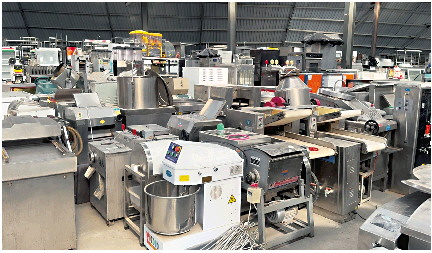
从“躺赚”到“硬撑”,二手餐饮设备回收遇冷
Qi Lu Wan Bao· 2025-11-21 12:05
Core Insights - The second-hand catering equipment market is experiencing a slowdown in turnover and profitability due to a decline in the restaurant industry, leading to an increase in inventory and a decrease in sales [2][3][4] Market Dynamics - The influx of second-hand equipment has surged as many restaurants close down, but the demand has not kept pace, resulting in a significant backlog of unsold items [2][3] - The average turnover period for second-hand equipment has extended from one to two weeks to one to two months or longer, with transaction prices and turnover rates dropping by over 20% [3][4] - The competitive landscape has intensified, with many new entrants in the market, but the number of active participants is now decreasing as more businesses exit [3][5] Pricing Trends - The resale prices for second-hand equipment have decreased significantly, with some items dropping from over 10,000 yuan to around 7,000-8,000 yuan [6] - Despite the overall decline in prices, certain high-demand items like quality coffee machines and imported steamers have seen price increases of 10%-20% due to their desirability [6][7] Operational Adjustments - Many operators are shifting from a high-volume, low-margin model to a more selective approach, focusing on acquiring equipment from well-known brands and newer items [5][7] - The traditional model of "collecting, refurbishing, and selling" is evolving into a service-oriented approach, with businesses offering guarantees and delivery services to enhance customer experience and improve turnover rates [8] Future Outlook - The second-hand catering equipment industry is transitioning from a "bargain hunting" phase to a more professional competitive stage, where service quality and market insight will be key differentiators [8]

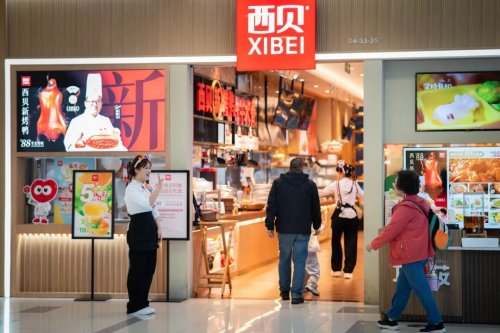
西贝从舆论靶心到餐桌回暖,年内将开8家新店
Zhong Guo Shi Pin Wang· 2025-11-13 09:42
Core Insights - The crisis has significantly impacted Xibei, a well-established restaurant brand, leading to a sharp decline in customer traffic and a damaged brand image, but recovery signs have emerged within two months [1][4][17] - The company has implemented a series of strategic changes, including price reductions and a return to on-site cooking, to regain customer trust and stabilize operations [9][10][11] Group 1: Crisis Management - During the peak of the crisis, Xibei experienced a 40% drop in dine-in traffic, prompting immediate action from management [1][4] - The founder, Jia Guolong, adopted a low-profile approach by clearing social media accounts and refraining from public statements, which was a departure from his previous outspoken style [5][7] - Internal measures included a nationwide meeting with 18,000 employees, prohibiting layoffs, and providing financial bonuses to frontline staff to maintain morale [6][7][18] Group 2: Operational Adjustments - Xibei shifted its focus back to on-site cooking, with key dishes being prepared in front of customers to enhance transparency and trust [10][11] - The company launched a promotional campaign offering millions of vouchers and reduced prices on over 30 dishes, achieving an average price drop of about 20% [11][18] - Despite some store closures, the company plans to open new locations, indicating a strategic shift rather than a retreat [14][15][16] Group 3: Industry Context - The restaurant industry is undergoing a significant adjustment, with many brands moving from rapid expansion to a focus on quality and efficiency [15][16] - Xibei's recent challenges reflect broader trends in the industry, where many establishments are closing due to rising costs and changing consumer preferences [15][16] - The crisis has prompted Xibei to reassess its operational strategies, emphasizing the importance of maintaining quality and customer trust in a competitive market [16][18]