
首创新药

Search documents
中国创新药交出“黄金答卷” 全年76个创新药获批
Xin Lang Cai Jing· 2026-01-17 00:12
Core Insights - In 2025, China's innovative pharmaceutical industry reached a "golden moment" with 76 innovative drugs approved, over 80% of which were domestically developed, and total licensing transaction amounts exceeding $130 billion, marking a historical high [2][5] - The surge in innovative drugs reflects a significant shift from quantity to quality, with over one-third of the approved drugs targeting cancer treatment, and a notable presence of GLP-1 drugs for metabolic diseases [3][4] - The capital market responded positively, with the Hong Kong innovation drug index rising by 66.52%, outperforming the Hang Seng Index, indicating strong market confidence in the sector [9] Group 1: Innovative Drug Approvals - A total of 76 innovative drugs were approved in 2025, significantly higher than the 48 approved in 2024, including 47 chemical drugs, 23 biological products, and 6 traditional Chinese medicines [2] - Among the approved chemical drugs, 80.85% were domestically developed, while 91.30% of biological products were also from domestic sources, showcasing the dominance of local innovation [2] Group 2: Market Trends and Drug Development - The oncology sector led the innovation with over 20 drugs, accounting for approximately one-third of the total, while metabolic diseases represented about 20% of the approvals, highlighting the diverse therapeutic areas being addressed [3] - The approval of first-in-class drugs in China, with 4 out of 11 being domestically developed, signifies a shift towards more innovative and effective treatments available to patients [4] Group 3: Licensing and International Collaboration - The total value of licensing transactions for Chinese innovative drugs surpassed $130 billion in 2025, with over 150 deals, reflecting a significant increase compared to 2024 [5][6] - Notable collaborations included a $10.8 billion deal between Innovent Biologics and Roche, and a $12.5 billion upfront payment from Pfizer to 3SBio, indicating a trend towards deeper strategic partnerships [5][6] Group 4: Capital Market Performance - The performance of the innovative drug sector in the capital market was robust, with the Hong Kong innovation drug index increasing by 66.52%, and the CS innovation drug index in A-shares rising by 19.34% [9] - The successful commercialization of leading biotech companies like BeiGene and Innovent Biologics demonstrates the growing profitability and market presence of Chinese innovative drug firms [9] Group 5: Future Outlook - The ongoing reforms in drug approval processes and supportive policies are expected to further enhance the development of innovative drugs in China, positioning the country as a key player in global pharmaceutical innovation [8][10] - Predictions indicate that the next five years will see an increase in the proportion of original innovative drugs, with a focus on balancing scientific exploration and commercial value [11][12]


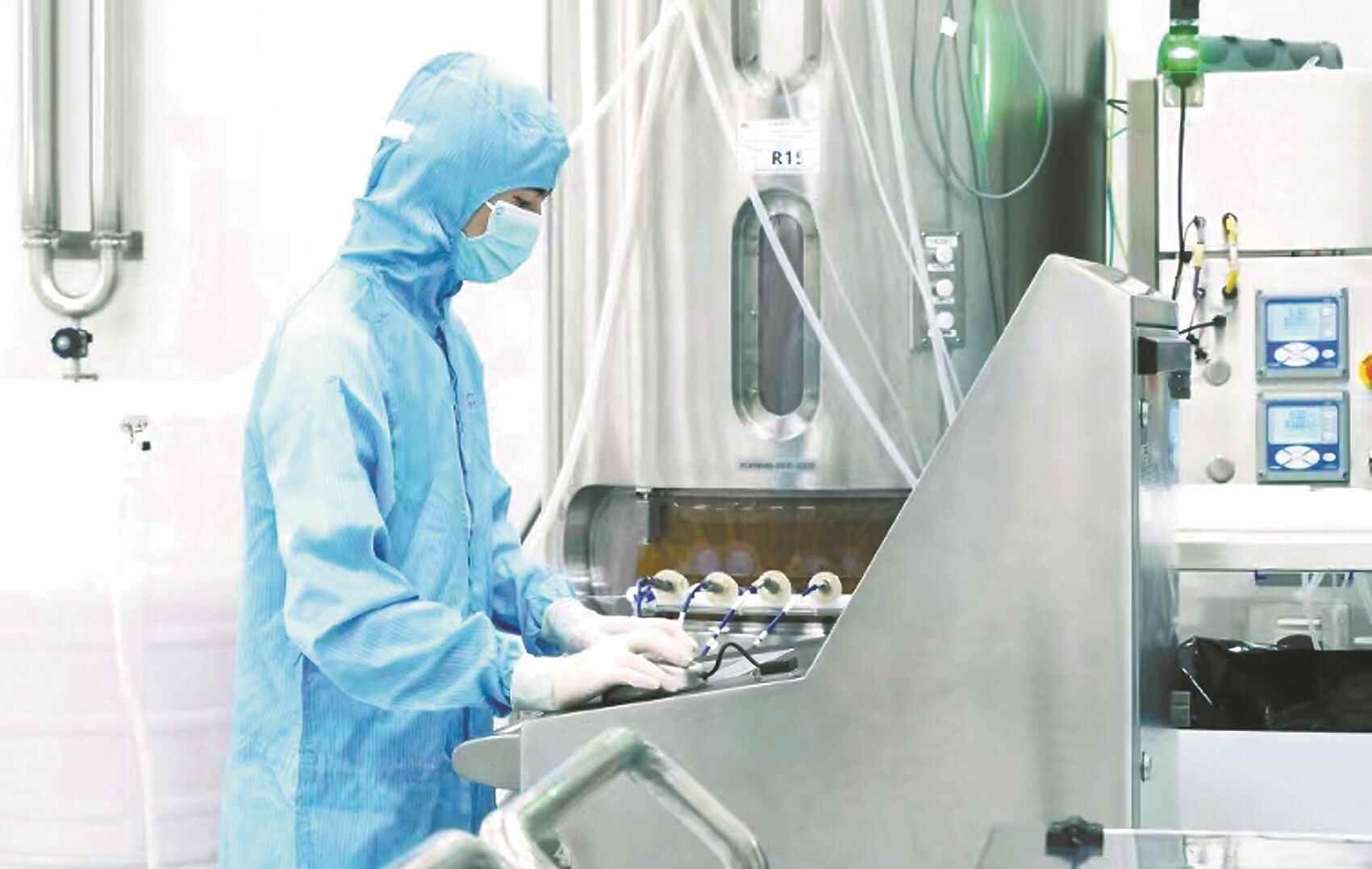
药明生物首席执行官陈智胜:国内ADC和双抗等细分赛道融资回暖
Zheng Quan Ri Bao Wang· 2025-09-11 08:47
Group 1 - The innovative drug sector has become a focal point in the secondary market this year, raising questions about whether this enthusiasm is translating to the primary market and if there is a shift in capital investment attitudes towards innovative drugs [1] - WuXi Biologics held its first "M Powering Global Success" CRDMO+ Open Day, where executives discussed trends in biopharmaceutical innovation, international expansion, and quality system development [1] - The CEO of WuXi Biologics noted that while the Chinese biopharmaceutical investment market has not fully recovered, there are signs of improvement in cutting-edge fields such as ADC and bispecific antibodies [1] Group 2 - More companies are willing to invest in First-in-Class projects, indicating a shift from fast follow strategies to genuine source innovation [2] - WuXi Biologics is focusing on high-potential areas such as monoclonal antibodies, bispecific/multispecific antibodies, and ADCs, with expectations that 10 products in the monoclonal antibody sector could exceed $5 billion in sales, and 5 of those could surpass $10 billion [2] - The company demonstrates significant production efficiency, completing technology transfer to PPQ in just 6 months, which is 3-6 months faster than the industry average, and can reduce this to 3.5 months with an accelerated process [2]
磷酸奥唑司他片国内正式上市,用于罕见病库欣综合征
Xin Jing Bao· 2025-04-14 03:00
Core Viewpoint - The commercialization of Phosphate Oglazostatin Tablets (brand name: Shiruisa) marks a significant advancement in the treatment of Cushing's syndrome in China, filling a gap in the market for oral medications for this rare disease [1] Group 1: Product Launch and Approval - Phosphate Oglazostatin Tablets are the only approved oral medication for adult Cushing's syndrome in China, officially launched on April 12 [1] - The drug is a First-in-Class innovation from Recordati Group's subsidiary in China, and has received orphan drug designation in the US, EU, and Australia [1] - The drug was granted priority review and approval by the National Medical Products Administration (NMPA) in September 2023, with import approval expected in September 2024 [1] Group 2: Clinical Efficacy and Safety - Global clinical studies have demonstrated the efficacy and safety of Phosphate Oglazostatin Tablets, with a three-phase clinical trial involving 210 patients showing significant cortisol level reduction and sustained efficacy for over four years [1] - Chinese patients exhibit higher sensitivity to the drug, requiring approximately half the daily dosage compared to patients in Europe and the US [1] Group 3: Impact on Treatment Paradigm - The introduction of the new drug is expected to optimize surgical outcomes for Cushing's syndrome, allowing non-surgical patients the opportunity for surgery and improving the physical condition of surgical candidates [2] - The focus of treatment is shifting towards comprehensive recovery for patients, addressing not only cortisol levels but also the broader impacts of Cushing's syndrome, including cardiovascular risks and psychological health [2] - The recurrence rate post-surgery can be as high as 25% over ten years, prompting a shift towards a "one-time Cushing's, lifelong follow-up" treatment model, which the new drug will facilitate [2]