
高考红利

Search documents
中产家庭留学时代结束
投资界· 2025-08-22 07:22
Core Viewpoint - The article discusses the declining trend in the number of Chinese students studying abroad, highlighting the increasing costs and diminishing returns on investment in foreign education, particularly in the United States [4][5][6][13]. Group 1: Decline in Study Abroad Numbers - The number of students choosing to study abroad has been decreasing over the past five years, with significant reductions reported from top universities such as Peking University (21% decrease) and Tsinghua University (28% decrease) [5]. - The financial burden of studying abroad has become unbearable, with tuition fees at popular institutions like Columbia University reaching $70,000 per year, leading to a total cost of around 3 million RMB for a four-year program [5][6]. Group 2: Changing Landscape of Employment - The likelihood of Chinese students remaining in the U.S. post-graduation has drastically decreased, with H1B visa approval rates dropping from 50% a decade ago to between 14% and 25% currently [6][11]. - The job market in China has become increasingly competitive, with domestic graduates facing fierce competition from millions of peers, making it difficult for returnees to recoup their educational investments [6][13]. Group 3: Historical Context and Shifts - The article contrasts the past "study abroad boom" driven by the high demand for educated individuals during China's rapid urbanization and globalization phases with the current reality where such opportunities are diminishing [7][8]. - The global landscape has shifted, with countries tightening immigration policies and reducing opportunities for foreign students, reflecting broader geopolitical changes [11][12][14]. Group 4: Future Considerations - Despite the challenges, there remains a need for talented individuals in various fields, and those who can adapt and excel in their chosen areas may still find success [15]. - The article emphasizes the importance of aligning educational pursuits with personal strengths and career aspirations, suggesting that the pursuit of excellence remains crucial in a competitive global environment [15].


别再瞎折腾了,中产家庭留学的时代已经结束
虎嗅APP· 2025-08-20 09:31
Core Viewpoint - The article discusses the declining trend in Chinese students pursuing overseas education, highlighting the shift in perception from optimism to concern due to rising costs and uncertain job prospects after graduation [3][5]. Summary by Sections Decline in Overseas Education - The number of students choosing to study abroad has decreased significantly over the past five years, with notable reductions in various prestigious universities: Peking University saw a drop of over 21% from 818 students in 2019 to 641 in 2024, while Tsinghua University experienced a 28% decrease from 2019 to 2023 [4]. Financial Burden - The cost of studying in the U.S. has become prohibitively high, with tuition at Columbia University reaching $70,000 per year and average costs exceeding $100,000 annually when including living expenses. Over four years, this amounts to approximately 3 million RMB [7]. Job Market Challenges - The likelihood of securing a job in the U.S. post-graduation has diminished, with H1B visa approval rates dropping from 50% a decade ago to between 14% and 25% currently. This has led to a situation where many Chinese students may have to return home without recovering their educational investments [8][20]. Changing Landscape of Opportunities - The previous advantages of studying abroad, such as the demand for overseas-educated talent, have eroded. The current job market in China is highly competitive, with public sector jobs and large state-owned enterprises becoming more desirable than private companies [10][24]. Historical Context - The article reflects on the historical context of educational opportunities in China, noting that the "exam boom" and subsequent globalization created a demand for overseas-educated individuals. However, this demand has shifted as the global landscape changes [12][16]. Current Realities - The tightening of U.S. visa policies and the overall geopolitical climate have made it increasingly difficult for international students to secure opportunities abroad. The article emphasizes that the landscape for studying abroad has fundamentally changed, and the previous pathways to success are no longer as viable [19][21]. Future Considerations - Despite the challenges, the article suggests that there are still opportunities for those who pursue excellence in fields such as STEM. The emphasis is on the need for individuals to align their education and career paths with their strengths and aspirations in a competitive global environment [26].
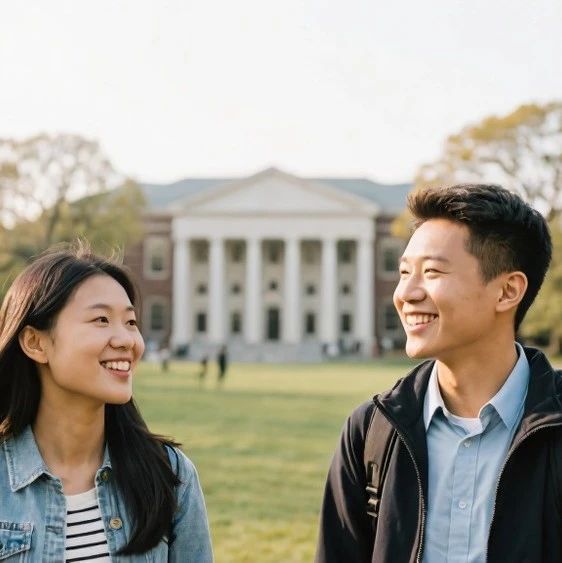
别再瞎折腾了,中产家庭留学的时代已经结束
Hu Xiu· 2025-08-20 05:40
Group 1 - The number of Chinese students studying abroad has been declining over the past five years, with significant reductions in various prestigious universities [3][4][5] - The rising costs of studying abroad, particularly in the United States, have become unbearable for many families, with average annual expenses exceeding $100,000 [5][6] - The job market for returning Chinese students has become increasingly competitive, with many facing challenges in recouping their educational investments [9][10][11] Group 2 - The previous advantages of studying abroad, such as the "sea turtle" phenomenon, have diminished due to changing societal and economic conditions [20][24] - The tightening of U.S. visa policies has further complicated the prospects for Chinese students, with rejection rates for student visas reaching 36% in 2023 [25][32] - The global landscape for talent mobility is shifting, with increased restrictions on immigration and work opportunities in developed countries [28][30][31] Group 3 - Despite the challenges, there remains a recognition that studying abroad can still provide significant advantages in terms of personal development and specialized knowledge, particularly in STEM fields [39][40] - The need for exceptional talent persists, and individuals must align their skills with market demands to succeed in a more competitive environment [41][42]