高通量筛选

Search documents
Nature系列综述:类器官之父解读类器官在药物研发中的机遇和挑战
生物世界· 2025-12-16 04:11
Core Insights - The article discusses the significance of organoids as advanced 3D models derived from stem cells, which closely mimic human tissue complexity and functionality, offering advantages over traditional 2D cell lines and animal models in drug discovery and disease modeling [1][2]. Group 1: Organoid Applications - Organoids can be utilized for disease modeling, drug screening, and safety assessments, providing a more physiologically relevant environment compared to 2D cell lines [2][12]. - The potential for personalized medicine is highlighted, as organoids can be generated from patient-derived cells, allowing for individualized drug testing [2][12]. Group 2: Comparison with Other Models - Organoids exhibit high physiological relevance, effectively mimicking human tissue complexity, while 2D cell lines have limited structural mimicry and animal models present interspecies differences [3]. - In terms of throughput, organoids offer medium to high capabilities, constrained by growth complexity, whereas 2D cell lines are high throughput but lack physiological relevance [3]. Group 3: Challenges and Future Directions - Despite advancements, challenges remain in the scalability and reproducibility of organoid cultures, particularly for high-throughput screening [12]. - Innovations are needed in vascularization, immune system integration, and multi-organ modeling to enhance the predictive capabilities of organoids for human therapeutic responses [12].


Nature !中国科学家开发新型可编程的空间转录组调控技术CRISPR-TO
仪器信息网· 2025-05-27 08:48
Core Viewpoint - The CRISPR-TO technology enables precise spatial regulation of endogenous RNA, providing a new tool for studying RNA functions and related diseases [1][2]. Group 1: Technology Overview - CRISPR-TO utilizes the Class II Type VI CRISPR-Cas13 system for spatial transcriptome regulation, allowing for targeted RNA manipulation without altering genetic sequences [3][4]. - The technology combines dCas13 with signaling peptides or motor proteins through a heterodimerization mechanism, facilitating both passive diffusion and active transport of RNA [3][4]. Group 2: Applications and Findings - CRISPR-TO successfully targets endogenous RNA to various subcellular compartments, including mitochondria, P-bodies, stress granules, telomeres, and nuclear stress bodies, enabling real-time observation of RNA dynamics in live cells [4][5]. - Targeting mRNA to P-bodies significantly reduced its degradation rate and extended its half-life, supporting the theory that P-bodies primarily serve as mRNA storage sites rather than degradation sites [4]. Group 3: Research Breakthroughs - The technology demonstrated the capability for long-distance transport of endogenous mRNA (approximately 1 mm) in primary mouse cortical neurons, allowing for the study of mRNA's cooperative effects [5][8]. - High-throughput screening using CRISPR-TO revealed that targeting Stmn2 mRNA to neurites promotes rapid neurite growth, linking it to microtubule dynamics and potential implications for ALS [8][9]. Group 4: Future Implications - CRISPR-TO bridges gaps left by existing sequencing and imaging technologies, offering a high-throughput platform for systematic studies of spatial transcriptome functions across various biological systems and disease contexts [9].

全球无血清细胞冻存培养基市场前10强生产商排名及市场占有率
QYResearch· 2025-05-22 08:38
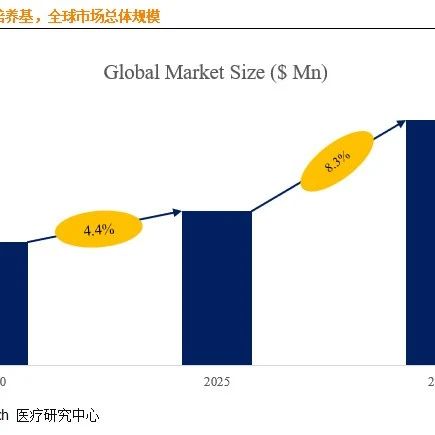
Core Viewpoint - The article discusses the advantages and market potential of serum-free cell freezing media, highlighting its growing importance in cell therapy, regenerative medicine, and biopharmaceuticals, while also addressing the challenges faced in its market adoption [1][2][3]. Group 1: Advantages of Serum-Free Cell Freezing Media - Serum-free cell freezing media offers clear composition, better batch stability, reduced immunogenicity, and lower contamination risks compared to traditional serum-containing freezing solutions [1]. - The media typically contains appropriate cryoprotectants (like DMSO), carbon sources, buffering agents, and cell-protective factors, effectively maintaining cell viability during freezing and thawing processes [1]. - The rapid market growth is driven by the increasing demand for high-value cell products such as stem cells, immune cells, and CAR-T therapies, which require high-quality freezing media [1][3]. Group 2: Market Challenges - The development of serum-free formulations has a high technical barrier, requiring extensive experimentation to optimize cell survival and functionality, leading to long development cycles and high costs [2]. - There is a lack of universal products due to the varying dependence of different cell types on freezing environments, which limits large-scale adoption [2]. - Cost sensitivity among users leads some to still prefer traditional serum-containing freezing solutions, and the absence of standardized product evaluation criteria creates information asymmetry for users [2]. Group 3: Future Market Trends - The serum-free cell freezing media market is expected to evolve towards customization, high performance, and compliance, with advancements in AI and high-throughput screening enabling more precise formulation development [3]. - Increasing regulatory scrutiny on cell-based therapies is pushing companies to expedite the registration and certification processes for serum-free products [3]. - The Asia-Pacific region, particularly China, is projected to be one of the fastest-growing markets due to supportive policies, biopharmaceutical investments, and technological advancements [3]. - According to QYResearch, the global serum-free cell freezing media market is expected to reach USD 410 million by 2031, with a compound annual growth rate (CAGR) of 8.3% in the coming years [3]. Group 4: Market Share and Key Players - Major manufacturers in the global serum-free cell freezing media market include Thermo Fisher, Merck, Zenoaq, Cytiva, and STEMCELL, with the top five companies holding approximately 70% of the market share as of 2024 [8]. - DMSO-containing products dominate the market, accounting for about 84.6% of the total share [10]. - Biopharmaceutical companies represent the largest downstream market, capturing around 53.9% of the demand for serum-free cell freezing media [12].