
再生医学

Search documents
诺奖得主山中伸弥回顾并展望iPSC研究二十年:从发现到多样化应用
生物世界· 2026-03-24 08:18
Core Insights - The article discusses the evolution and significance of induced pluripotent stem cells (iPSCs) over the past two decades, highlighting their transformative impact on stem cell biology and regenerative medicine [2][3][5]. Group 1: Historical Context and Key Discoveries - The discovery of iPSCs by Shinya Yamanaka and Kazutoshi Takahashi in 2006, which demonstrated that four factors (Oct3/4, Sox2, c-Myc, and Klf4) could induce pluripotency in mouse fibroblasts, marked a pivotal moment in stem cell research [2][5]. - The transition from embryonic stem cell research to iPSC technology occurred rapidly, with successful generation of iPSCs from human cells within a year of the initial discovery [12]. - The understanding of reprogramming mechanisms has evolved, revealing that both elite and random models contribute to the efficiency of iPSC generation [14][15]. Group 2: Mechanisms of Reprogramming - Reprogramming involves a complex interplay of transcriptional reorganization, epigenetic remodeling, metabolic reconfiguration, and cellular structural changes [18][19]. - Initial changes post-OSKM induction include the loss of somatic cell identity and the onset of a mesenchymal-to-epithelial transition (MET), which is crucial for achieving pluripotency [18]. - The activation of core pluripotency factors like Nanog, Oct4, Sox2, and Esrrb stabilizes the pluripotent state, marking a critical point in the reprogramming process [19]. Group 3: Medical Applications and Challenges - iPSCs hold immense potential in regenerative medicine, but early concerns regarding safety, reproducibility, and genomic integrity posed significant challenges [23][24]. - The development of non-integrating systems for iPSC generation has mitigated risks associated with genomic integration, enhancing quality control and scalability [23]. - Advances in differentiation protocols have improved the generation of mature cell types from iPSCs, enabling their use in various therapeutic applications [24][27]. Group 4: Clinical Trials and Future Directions - Early clinical trials using iPSC-derived cells have shown promise in treating conditions like age-related macular degeneration and Parkinson's disease, demonstrating safety and feasibility [27][28]. - The establishment of human leukocyte antigen-matched iPSC banks opens avenues for scalable allogeneic therapies, addressing the challenges of autologous treatments [28]. - Ethical considerations surrounding iPSC technology, including consent and privacy issues, are increasingly important as the field advances [29]. Group 5: Broader Implications and Future Prospects - iPSCs are not only pivotal in regenerative medicine but also play a significant role in disease modeling and drug discovery, allowing for the study of diseases previously inaccessible due to the difficulty of obtaining human tissues [30][31]. - The integration of iPSCs with CRISPR technology has revolutionized causal inference in disease mechanisms, enabling precise identification of genetic contributions to various conditions [32]. - The future of iPSC research is poised for transformative developments through the integration of artificial intelligence and synthetic biology, potentially reshaping our understanding of cell identity and fate [40][41].


Cell:伤口为何总留疤?哈佛许雅捷团队揭示阻碍皮肤完美再生的关键——过度神经支配
生物世界· 2026-03-21 02:03
Core Viewpoint - Harvard University's research reveals that excessive nerve innervation is a key factor inhibiting perfect healing in mammalian skin, explaining why infants heal without scars while adults often do [2][3][4]. Group 1: Mechanism of Regeneration - The study identifies that during embryonic development, skin injuries can regenerate perfectly, restoring multiple cell types and their connections, but this ability is lost shortly after birth [8]. - Postnatal wounds are characterized by the presence of postnatal wound-specific fibroblasts (PWF), which constitute about 60% of fibroblasts in postnatal wounds and are absent in embryonic wounds [10][19]. - PWF express three key genes: Timp1, Cxcl12, and Ccl7, which, when overexpressed in embryonic wounds, inhibit organ-level regeneration and lead to excessive nerve innervation [11][19]. Group 2: Role of CXCL12 - PWF secrete CXCL12 and other chemokines, attracting an excessive number of nerve fibers to the wound area, creating a "hyperinnervation" environment that blocks the regeneration of multipotent cells [13][19]. - Inhibition of CXCL12 expression in fibroblasts or direct nerve ablation can restore the ability for multipotent regeneration in postnatal wounds [14]. Group 3: Implications for Regenerative Medicine - The findings challenge the traditional view that mammalian organ regeneration is permanently lost, suggesting it can be "unlocked" through specific mechanisms [15]. - The study identifies excessive nerve innervation as a critical barrier to organ regeneration, providing new targets for therapeutic strategies [15]. - This mechanism may have broader applications beyond skin, offering insights for regeneration research in other organs [15].

3针6万元“神药”翻车以后,百亿抗衰市场如何重生?
虎嗅APP· 2026-03-17 14:03
Core Viewpoint - The article discusses the recent exposure of exosome products as unregulated and overpriced, highlighting the need for industry regulation and consumer protection in the rapidly growing exosome market [2][6][10]. Industry Overview - Exosomes, small vesicles secreted by cells, are marketed in the beauty and medical fields as anti-aging and health-regulating products, despite being poorly regulated and often lacking clinical evidence [2][4][5]. - The exosome market in China is projected to reach approximately $320 million (about 2.2 billion RMB) in 2024, with an expected growth to over $1.5 billion (about 10.3 billion RMB) by 2030, reflecting a compound annual growth rate of about 25% [5]. Regulatory Challenges - The industry faces significant regulatory challenges, with many companies lacking transparency and clinical trial evidence, leading to misleading marketing practices [5][12]. - Recent government actions, including the "818 Document," aim to establish stricter regulations for biomedical research and clinical applications, emphasizing the need for compliance among companies [12][13]. Market Dynamics - The exposure of fraudulent exosome products is seen as a necessary "clean-up" for the industry, potentially leading to a more regulated and trustworthy market environment [7][10]. - Despite the negative publicity, the exposure has raised awareness of exosomes, which could lead to a more informed consumer base and better industry practices in the long run [14][18]. Investment Landscape - Investment interest in exosome-related companies has shifted from rapid commercialization to a focus on long-term medical applications and overcoming industrial challenges [18][19]. - The complexity of exosome production and quality control presents significant hurdles for companies aiming to establish a reliable market presence [19].
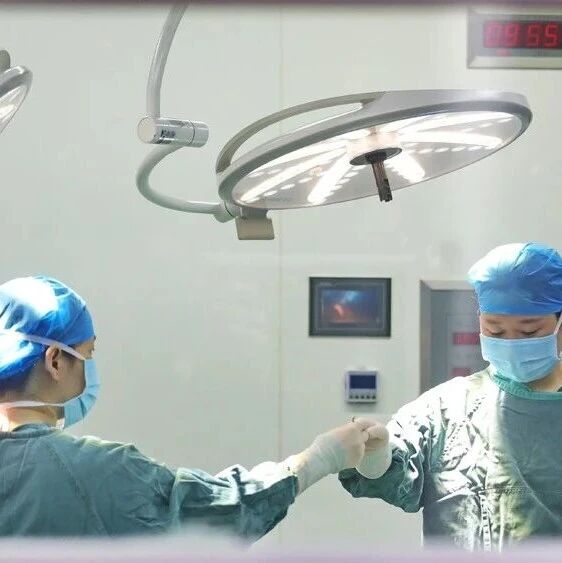
全球首例!我国实现再生胰岛移植
第一财经· 2026-03-17 11:21
Core Viewpoint - The article discusses a groundbreaking achievement in the treatment of Type 1 diabetes through the use of regenerated islets (E-islet) derived from both autologous and allogeneic stem cells, marking a significant advancement in diabetes management and potential cure [3][4][6]. Group 1: Research and Development - A new technology system based on endodermal stem cells has been established over two decades, leading to the successful creation of E-islets for treating severely impaired pancreatic function in diabetes patients [4]. - Clinical studies involving three patients demonstrated that both autologous and allogeneic E-islet transplants can restore pancreatic function and enable blood sugar control without external insulin dependency [6]. Group 2: Clinical Implications - The research team has proven that E-islet transplantation can significantly improve blood sugar levels and reduce the occurrence and progression of complications associated with Type 1 diabetes [6]. - Current treatment still requires long-term immunosuppressive therapy to prevent autoimmune relapse, but future plans include gene editing to modify the E-islets to avoid immune system recognition, aiming for a complete cure of diabetes [6].

Biostem Technologies (OTCPK:BSEM) FY Conference Transcript
2026-03-02 21:52
Summary of BioStem Technologies Conference Call Company Overview - **Company**: BioStem Technologies - **Industry**: Regenerative Medicine, Wound Care - **CEO**: Jason Matuszewski - **Conference**: 46th Annual TD Cowen Healthcare Conference Core Points and Arguments - **Mission**: BioStem aims to create and deliver advanced wound healing technologies, addressing the significant challenges posed by chronic and acute wounds, which have an estimated economic impact of over $30 billion annually in the U.S. [2][4] - **Key Pillars**: The company is built on three pillars: differentiated technology, strong operational and clinical foundation, and a scalable growth engine [3] - **Technologies**: BioStem's technology platform includes BioREtain, CryoTek, and SteriTek, with a focus on perinatal-derived allograft brands like Neox and Clarix [3] - **Intellectual Property**: The company holds 58 issued U.S. patents and 68 pending patents, showcasing a strong IP portfolio [3] - **Market Opportunity**: BioStem targets a multi-billion dollar market, with a soft tissue allograft opportunity exceeding $23 billion across six core segments: orthopedics, chronic wound care, foot and ankle, urology, spine, and women's health [5] Financial Performance - **Revenue**: In 2025, the surgical revenue generated approximately $29 million, largely unaffected by CMS's wound pricing changes [6] - **EBITDA**: The BioTissue surgical and wound care assets delivered a single-digit positive EBITDA in 2025 [17] - **Cash Position**: The company has around $16 million in cash on the balance sheet, indicating a strong position for future investments [18] Market Dynamics - **Reimbursement Changes**: The transition from a bundled payment system to a fixed rate per square centimeter allows for treatment of larger wounds, which is expected to enhance market access [12][13] - **Challenges**: There are concerns regarding access to products in physician offices and mobile wound care settings due to the new reimbursement rates [27][28] - **Regulatory Environment**: The company is focused on generating clinical evidence to support reimbursement and market access, particularly in light of changing LCDs and payment methodologies [29] Strategic Initiatives - **Acquisition Impact**: The acquisition of BioTissue has expanded BioStem's product offerings and market reach, with a focus on diversifying the portfolio and driving growth [5][10] - **Sales Expansion**: The company has increased its sales force with 18 direct representatives and over 30 independent agents, aiming to penetrate new markets and enhance distribution [20] - **Future Products**: BioStem is looking forward to a 510(k) product launch in the middle to back half of the year, which will further diversify its offerings [4][19] Leadership and Management - **Management Team**: The company has assembled a leadership team with extensive experience in clinical research, commercial education, manufacturing, regulatory, and finance [16] - **New Appointments**: Barry Hassett has been appointed as Chief Commercial Officer, and Lita Lilly as VP of Sales, both bringing valuable experience from BioTissue [17] Conclusion - **Long-term Vision**: BioStem is positioned to capitalize on opportunities in regenerative medicine, leveraging its platform of perinatal tissues and focusing on evidence-based approaches to support its growth strategy [21]
Nature头条:日本即将批准全球首创的iPSC干细胞疗法,治疗帕金森病和心力衰竭
生物世界· 2026-03-02 00:00
Core Viewpoint - Japan's Ministry of Health has recommended conditional approval for two groundbreaking stem cell therapies, Amchepry for Parkinson's disease and ReHeart for severe heart failure, marking a significant breakthrough in regenerative medicine, though concerns about insufficient clinical data have been raised [2][6]. Group 1: Therapy Overview - Amchepry, developed by Sumitomo Pharma and Racthera, utilizes induced pluripotent stem cell (iPSC) technology to reprogram blood cells into dopamine-producing progenitor cells for transplantation into Parkinson's patients' brains [5]. - ReHeart, developed by Cuorips, also uses iPSC technology to create cardiac patches containing up to 100 million cells, which are implanted in patients with ischemic heart disease to promote cardiovascular repair [5]. Group 2: Regulatory Path and Controversy - Japan's unique regulatory pathway allows regenerative medicine products to receive conditional approval after exploratory clinical trials, with the first approvals expected by March 2026 [7]. - Following approval, companies, insurers, and healthcare providers will negotiate pricing, and companies can sell to a limited number of patients while continuing to monitor safety and efficacy [7]. Group 3: Scientific Concerns - Critics, including Dr. Kawaguchi from Nadogaya Hospital, argue that the clinical data for both therapies is weak, with small trial sizes (7 and 8 participants) and a lack of control groups, making it difficult to assess risks and efficacy [8]. - Concerns have been raised about the potential risks of iPSC therapies, including the possibility of tumor formation and the need for long-term immunosuppressive therapy post-transplant [8]. Group 4: Global Context and Future Implications - Despite the controversies, the global race for stem cell therapies is intensifying, with over 100 clinical trials underway worldwide [10]. - The approval of these therapies in Japan could represent a significant step towards commercialization in regenerative medicine, potentially offering hope to critically ill patients, but also risks exposing them to unproven treatments [10].

Mesoblast (MESO) - 2026 Q2 - Earnings Call Transcript
2026-02-26 23:02
Financial Data and Key Metrics Changes - Total revenues for the first half of FY 2026 were $51.3 million, driven by the successful launch of Ryoncil, with net product revenues of $49 million and a gross margin of 93% [9][10] - R&D expenses increased to $46.1 million from $5.1 million in the prior year, primarily due to trials and preparations for BLA [9][10] - Sales and general administrative expenses rose to $28.5 million from $18 million, reflecting increased sales and marketing efforts [10] - The net loss for the period was $40.2 million, down from $48 million in the prior year [10][11] - Cash at the end of December 2025 was $130 million, with a new $125 million non-dilutive credit line facility established [12][13] Business Line Data and Key Metrics Changes - Ryoncil, the first FDA-approved allogeneic mesenchymal stromal cell product, generated $49 million in net revenue in the first half of FY 2026 [7][9] - The company aims to achieve a 20% market share for Ryoncil in the pediatric population by the end of the fiscal year [19][56] Market Data and Key Metrics Changes - Ryoncil is now covered by insurance plans representing over 280 million lives, with Medicaid coverage in all states [22] - The product has been included in the formularies of 30 treatment centers, facilitating its adoption [20] Company Strategy and Development Direction - The company plans to expand Ryoncil's label indications and seek approval for Revascor and Ryoncil products, focusing on cash flow and operational efficiency [5][6] - Strategic priorities include identifying appropriate patients for Ryoncil therapy, reinforcing patient outcomes, and empowering caregivers [23][24] Management's Comments on Operating Environment and Future Outlook - Management expressed confidence in achieving full-year Ryoncil net revenues between $110 million and $120 million [15][49] - The company is focused on building infrastructure to support Ryoncil's market potential and is optimistic about the upcoming BLA filing for Revascor [46][44] Other Important Information - The company is evaluating multiple indications for its second-generation platform, rexlemestrocel-L, targeting chronic discogenic low back pain and chronic ischemic heart failure [29][30] - The company has received positive feedback from the FDA regarding the potential filing of a BLA based on ongoing trials [30][83] Q&A Session Summary Question: Guidance for the upcoming year - The company projects full fiscal year net revenues ranging from $110 million to $120 million [53] Question: Ryoncil penetration in pediatrics - The company aims for a 20% penetration in the pediatric population by the end of the fiscal year, based on a patient range of 300 to 375 [56][57] Question: Revascor BLA and FDA input - The company plans to seek a label for the entire patient population, emphasizing the efficacy of Revascor across all patients [62] Question: Chronic back pain data submission - The ongoing phase III trial will be the primary dataset for the BLA submission, with previous trials serving as supportive data [66][70] Question: FDA confirmation on chronic lower back pain endpoint - The company has received confirmation from the FDA that the 12-month pain endpoint is sufficient for approval [83]

Organogenesis (ORGO) - 2025 Q4 - Earnings Call Transcript
2026-02-26 23:02
Financial Data and Key Metrics Changes - The company reported record sales results for Q4 2025, with net product revenue of $225.1 million, up 78% year-over-year and up 50% sequentially, exceeding the high end of guidance [14][5] - Gross profit for Q4 was $175.2 million, or 78% of net product revenue, compared to 75% last year, primarily due to a shift in product mix [16] - Operating income for Q4 was $63.3 million, an increase of 519% year-over-year, while GAAP net income was $43.7 million, up from $7.7 million last year [18][19] Business Line Data and Key Metrics Changes - Advanced wound care net product revenue for Q4 was $217.2 million, up 83% year-over-year, while Surgical and Sports Medicine products revenue was $7.9 million, down 2% year-over-year [15][5] - For the full year 2025, Surgical and Sports Medicine product sales increased by 12%, driven by strong growth in the PuraPly family of products [15] Market Data and Key Metrics Changes - The company anticipates a decline in total net revenue for 2026 in the range of 25%-38% year-over-year, primarily due to clinician confusion stemming from CMS's comments [21][22] - The first quarter of 2026 is expected to see revenue declines of approximately 50% year-over-year, with a recovery anticipated in the second half of the year [22] Company Strategy and Development Direction - The company is focused on expanding its portfolio and capabilities, including a new manufacturing and R&D center in Rhode Island to support growth and product expansion [11][12] - The ReNu program is a key strategic initiative, with a rolling BLA submission expected to be completed in the first half of 2026, representing a transformational opportunity for the company [12][24] Management's Comments on Operating Environment and Future Outlook - Management expressed optimism about the future despite challenges in early 2026, believing that CMS's policy changes represent a significant opportunity for the industry [10][25] - The company is committed to working through clinician confusion and expects to gain market share in the latter half of 2026 [22][25] Other Important Information - The company had $94.3 million in cash equivalents as of December 31, 2025, with no outstanding debt obligations, indicating a strong capital position [20] - Adjusted EBITDA for Q4 was $84.2 million, or 37% of total revenue, compared to 14% of total revenue last year [20] Q&A Session Summary Question: How much of the advanced wound care growth is due to inventory pull-forward? - Management indicated that there was not a significant amount of inventory pull-forward, as products are primarily going to patients [27] Question: Can you bridge the gap between Q4 results and the forecasted decline for 2026? - Management noted that the decline is influenced by clinician confusion and pricing adjustments, but they expect to gain market share as competitive dynamics improve [28][29] Question: Are there signs of confidence in share gains moving through the year? - Management observed early signs of changes in competitive dynamics and noted aggressive pricing pressure, indicating potential market shifts [30][31]

和元生物(688238.SH)2025年度归母净亏损2.21亿元
智通财经网· 2026-02-26 13:11
Core Viewpoint - The company reported a revenue of 268 million yuan for the fiscal year 2025, reflecting a year-on-year growth of 7.86%, but also recorded a net loss attributable to shareholders of 221 million yuan [1] Group 1: Financial Performance - The company achieved an operating revenue of 268 million yuan, which is a 7.86% increase compared to the same period last year [1] - The net loss attributable to the parent company's shareholders was 221 million yuan during the reporting period [1] Group 2: Industry Context - The domestic biopharmaceutical sector is characterized by both opportunities and challenges, showcasing a complex landscape of diversified development and intense market competition [1] - The company remains focused on its core business in cell and gene therapy CRO/CDMO, leveraging national and industry development policies to strategically position itself in the regenerative medicine application field [1] Group 3: Operational Strategy - The company emphasized strengthening customer resource reserves, enhancing brand influence, and promoting industry development during the reporting period [1] - The main performance goals include improving internal capabilities, upgrading operational management, and driving cost reduction and efficiency enhancement to lay a solid foundation for future business development [1]

和元生物(688238.SH):2025年度净亏损2.21亿元
Ge Long Hui A P P· 2026-02-26 09:46
Core Viewpoint - He Yuan Bio (688238.SH) reported a mixed performance for the fiscal year 2025, with revenue growth but continued net losses [1] Financial Performance - The company achieved operating revenue of 267.66 million yuan, representing a year-on-year increase of 7.86% [1] - The net profit attributable to the parent company was a loss of 220.72 million yuan, which is a reduction in losses by 101.10 million yuan compared to the previous year [1] - The net profit attributable to the parent company, excluding non-recurring gains and losses, was a loss of 232.02 million yuan, reflecting a decrease in losses by 103.89 million yuan year-on-year [1] Industry Context - The domestic biopharmaceutical sector is characterized by both opportunities and challenges, showcasing a complex landscape of diversified development and intense market competition [1] - The company remains focused on its core business in cell and gene therapy CRO/CDMO, leveraging national and industry development policies to strategically position itself in the regenerative medicine application field [1] Operational Strategy - During the reporting period, the company emphasized strengthening customer resource reserves, enhancing brand influence, and promoting industry development [1] - The main performance goals included improving internal capabilities, upgrading operational management, and driving cost reduction and efficiency enhancement [1] - These efforts aim to gradually improve management quality and operational efficiency, laying a solid foundation for future business development [1]