麦卡锡主义

Search documents
当鲁比奥大谈“帝国往事”,欧洲领导人会想和美国重振西方霸权吗
Xin Lang Cai Jing· 2026-02-20 02:10
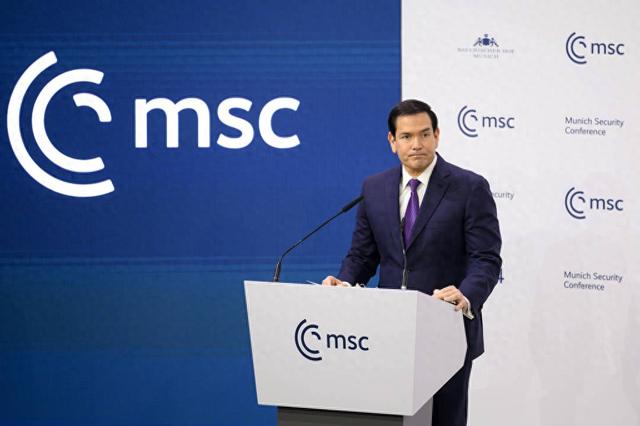
Core Viewpoint - The speech by U.S. Secretary of State Rubio at the Munich Security Conference 2026 reflects a softer tone compared to previous statements, emphasizing a call for European leaders to defend Western civilization while hinting at a desire to maintain U.S. influence in global affairs [1][2]. Group 1: Reasons for the Softer Tone - Rubio's position as Secretary of State influences his softer rhetoric [2]. - His Latin heritage may lead him to adopt a gentler approach when discussing the "Make America Great Again" (MAGA) stance [2]. - The need to cool tensions following the Trump administration's aggressive stances on issues like Greenland necessitates a more diplomatic approach [2]. Group 2: Historical Context and Imperial Perspective - Rubio's speech reflects a view of Western imperial history, suggesting that the decline of Western powers post-1945 is a choice rather than an inevitability [4][5]. - He frames the historical expansion of Western empires as a positive legacy, ignoring the destructive impacts of fascism and colonialism [4][6]. - The speech aligns with the core principles of contemporary American nationalism, which rejects modern forms of imperialism while not critiquing historical imperial practices [5][6]. Group 3: Implications for U.S. Foreign Policy - Rubio's remarks suggest a potential return to a role similar to that of the British Empire, positioning the U.S. as a defender of Western interests [7][9]. - The speech raises concerns among European leaders about the revival of Western hegemony, as it implies a competitive dynamic between U.S. and European interests [8][9]. - Historical context indicates that U.S. policymakers have previously recognized the need to move away from traditional colonial models, suggesting a regression in Rubio's perspective [9].

美国下手,欧盟怒了
Xin Lang Cai Jing· 2025-12-24 16:47
Group 1 - The U.S. State Department announced a ban on five European individuals, accusing them of pressuring tech companies to censor American viewpoints, marking a significant attack on Europe's regulations against hate speech and misinformation [1][3] - The individuals sanctioned include former EU Commissioner Thierry Breton and leaders of organizations focused on combating digital hate and misinformation [1][3] - U.S. Secretary of State Rubio stated that these individuals led organized efforts to coerce American platforms into censoring opposing viewpoints, emphasizing that the Trump administration will not tolerate such extraterritorial censorship [1][3] Group 2 - The U.S. government has instructed diplomats to oppose the EU's landmark Digital Services Act, which aims to combat hate speech and misinformation, claiming it stifles free speech and increases costs for American tech companies [3] - Thierry Breton, identified as the "architect" of the Digital Services Act, criticized the U.S. for denying visas, labeling it political persecution and invoking McCarthyism [3][4] - The European Commission condemned the U.S. visa restrictions, asserting that it would respond decisively to defend its regulatory autonomy against unreasonable measures [4]

查理·柯克之死背后,“两个美国”的文化战争
Xin Jing Bao· 2025-09-22 03:25
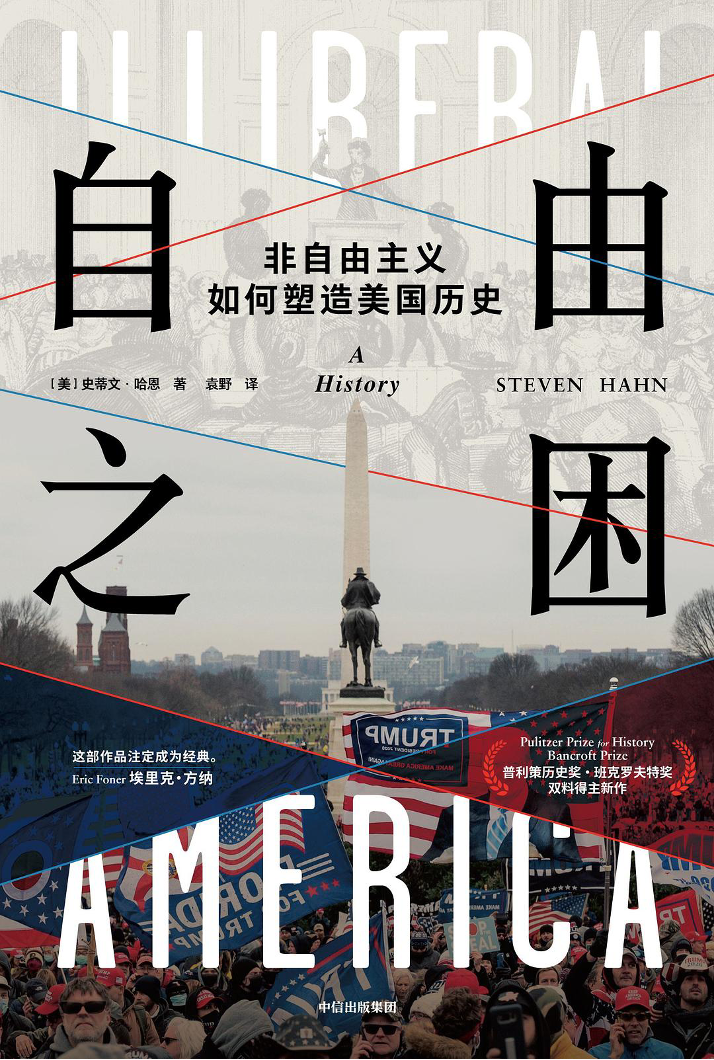
Group 1 - The core argument of the articles revolves around the contrasting narratives of American history, particularly the coexistence of liberalism and illiberalism [3][4][16] - The book "The Trouble with Freedom" by Steven Hahn aims to challenge the mainstream narrative that views liberalism as the sole core tradition in American history, highlighting the persistent presence of illiberalism [4][16] - Hahn's work suggests that the current societal divisions in the U.S. are not new but rather a continuation of historical tensions between freedom and non-freedom [4][16] Group 2 - The historical context provided includes references to Alexis de Tocqueville's observations on American democracy and Abraham Lincoln's warnings about societal threats, illustrating the duality in American political thought [2][3] - The book discusses the evolution of the concept of freedom in America, from classical liberalism focused on individual rights to a broader understanding that includes social justice and identity issues [17][18] - The narrative also critiques the oversimplification of political ideologies in contemporary discourse, emphasizing the complexity of American political culture and the need for nuanced understanding [19][20]
美媒为劝特朗普,搬出了钱学森
Guan Cha Zhe Wang· 2025-05-30 11:40
Core Viewpoint - The article discusses the negative implications of the Trump administration's actions against Chinese students in the U.S., drawing parallels to the historical case of Qian Xuesen, emphasizing that alienating global talent could lead to detrimental consequences for the U.S. [1][4] Group 1: Historical Context - Qian Xuesen, a prominent Chinese scientist, faced persecution during the McCarthy era in the 1950s, which ultimately led to his departure from the U.S. and significant contributions to China's aerospace and defense sectors [3][4] - The U.S. government's failure to recognize Qian's potential is highlighted as a critical mistake that allowed China to advance its scientific capabilities [4][7] Group 2: Current Developments - The U.S. Secretary of State announced plans to revoke visas for Chinese students, particularly those linked to the Chinese government or studying in key fields, indicating a shift in visa policies that prioritize American interests over international collaboration [5][7] - There are over 1.12 million international students in the U.S., with approximately 277,000 from China, showcasing the significant presence of Chinese students in American higher education [5][7] Group 3: Implications for the Future - The article warns that the current actions against Chinese students could replicate past mistakes, potentially altering the global balance of power and diminishing the U.S.'s strategic advantages in education and innovation [4][7] - The historical perspective of Qian Xuesen serves as a cautionary tale, suggesting that the U.S. risks losing its competitive edge by alienating talented individuals from around the world [1][4][7]