黄金投资新范式

Search documents
全球疯抢,价格一浪高过一浪
Ge Long Hui· 2025-12-23 12:17
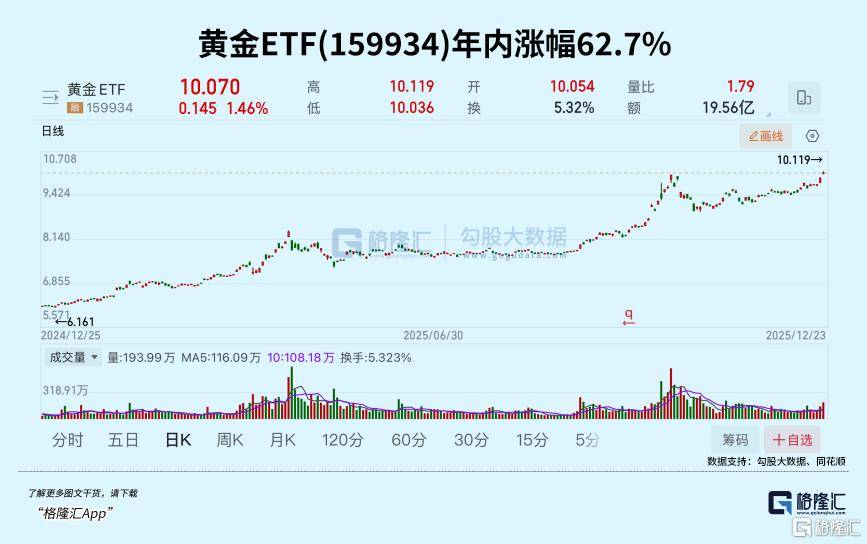
Core Viewpoint - The recent surge in gold prices, reaching a historical high of $4,490 per ounce, is attributed to multiple factors including geopolitical tensions, monetary easing expectations, and a structural shift in gold investment paradigms [1][3][22]. Geopolitical Tensions - The rise in gold prices is closely linked to escalating geopolitical tensions, particularly the conflict between Thailand and Cambodia, and the situation in Venezuela, where U.S. military actions have raised concerns about global oil trade and energy security [4][5][6]. - The ongoing Russia-Ukraine conflict continues to create a persistent source of geopolitical risk, contributing to increased demand for gold as a safe-haven asset [7]. Monetary Easing - The macroeconomic environment is characterized by expectations of interest rate cuts and a weakening U.S. dollar, with inflation rates declining and unemployment remaining relatively high [8][9]. - Historical data indicates that shifts in U.S. Federal Reserve policy from tightening to easing are significant drivers of gold bull markets [10]. Central Bank Gold Purchases - Central banks have been increasing their gold reserves, with a notable rise in purchases over the past three years, indicating a structural demand for gold [11][12]. - The inflow into gold ETFs has also been substantial, with a net inflow of over 12.68 billion yuan this year, reflecting a growing interest in gold as an investment vehicle [13][14]. New Investment Paradigm - The investment landscape for gold is undergoing a transformation, with a shift from being viewed solely as a cyclical asset to a strategic asset, driven by factors such as geopolitical risks and concerns over currency devaluation [16][18]. - The redefinition of gold's role includes its use as a hedge against extreme monetary and geopolitical risks, leading to a reassessment of its value in the market [21]. Future Price Expectations - Major financial institutions have raised their gold price forecasts significantly, with Goldman Sachs projecting a target price of $4,900 per ounce by the end of 2026, driven by strong structural demand and central bank purchases [22]. - Other institutions like JPMorgan and Morgan Stanley have also adjusted their long-term price expectations, reflecting a consensus on gold's strategic importance in the current economic climate [22]. Conclusion - The current gold market dynamics are a result of a confluence of factors including concerns over monetary credit, strategic central bank allocations, the onset of a rate-cutting cycle, and geopolitical conflicts, indicating profound changes in the global macroeconomic and financial landscape [23].

全球疯抢!价格一浪高过一浪
Sou Hu Cai Jing· 2025-12-23 09:12
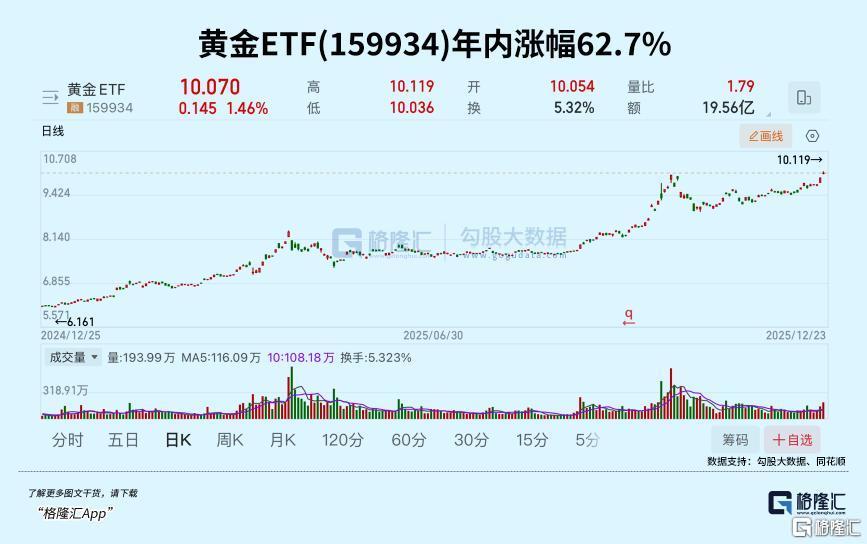
Core Viewpoint - The recent surge in gold prices, reaching a historical high of $4,490 per ounce, is attributed to a combination of geopolitical tensions, monetary easing expectations, and a structural shift in gold investment paradigms, indicating a significant revaluation of gold's worth over decades [1][3][24]. Geopolitical Tensions - The rise in gold prices is closely linked to escalating geopolitical tensions, particularly the conflict between Thailand and Cambodia, and the situation in Venezuela, where U.S. military actions have raised concerns about energy security and potential market disruptions [4][5][6]. - Ongoing conflicts, such as the Russia-Ukraine war, contribute to persistent geopolitical risks, increasing demand for gold as a safe-haven asset [7]. Monetary Easing - The macroeconomic environment is characterized by expectations of interest rate cuts and a weakening dollar, with U.S. inflation rates declining and unemployment rates remaining relatively high [8][9]. - The transition of U.S. monetary policy from tightening to easing is seen as a key driver of the current gold bull market, supported by falling inflation and rising concerns over the long-term purchasing power of fiat currencies [10][11]. Central Bank Gold Purchases - Central banks have significantly increased their gold purchases, with global central banks net buying gold for 14 consecutive quarters, reflecting a structural demand for gold as a strategic asset [12][13]. - The recent data shows that China's gold reserves have increased, and global gold ETF inflows have reached record levels, indicating strong institutional interest in gold [15][12]. New Investment Paradigm - The investment landscape for gold is shifting, with a growing recognition of its role as a hedge against extreme monetary and geopolitical risks, moving from a cyclical to a strategic asset [19][20][22]. - Major financial institutions have raised their long-term gold price forecasts, reflecting a broader market re-evaluation of gold's value in the context of global debt and currency dynamics [23]. Conclusion - The current gold market dynamics are driven by a confluence of factors including concerns over monetary credit, strategic central bank allocations, the onset of a rate-cutting cycle, and geopolitical conflicts, indicating profound changes in the global macroeconomic and financial landscape [24][25].