黄金消费陷阱

Search documents
戒指一夜贵370元!金价暴涨背后的“黄金六大坑”揭开,买金不看后悔一年
Sou Hu Cai Jing· 2026-02-04 12:41
Core Viewpoint - The rapid increase in gold prices has led to significant hidden costs and traps for consumers, making it essential to be aware of these pitfalls when purchasing gold jewelry and investments [1][3]. Group 1: Common Traps in Gold Consumption - High labor costs are often the main source of profit for gold retailers, with labor fees ranging from 200 to 500 yuan per gram, which can significantly inflate the total cost of gold purchases [7]. - False promotions create an illusion of savings, as prices are often raised before discounts are applied, resulting in consumers spending more than they realize [9][10]. - Some retailers misrepresent K-gold as pure gold, leading consumers to pay for solid gold while receiving lower-quality products [11]. - Depreciation fees during gold buyback can lead to significant losses, with various hidden charges such as "depreciation fee" and "cleaning fee" reducing the buyback price by dozens to hundreds of yuan [13]. - The "old for new" exchange often results in consumers losing money, as old gold is bought back at low prices while new gold is sold at high prices, along with additional service fees [15]. - Free maintenance services can lead to unexpected costs, as retailers may suggest repairs or upgrades that end up being more expensive than purchasing new items [17]. Group 2: Cost Comparison Across Purchase Channels - Brand gold stores (e.g., Chow Tai Fook) have high gram prices and labor costs, potentially including maintenance fees [17]. - Mall counters offer medium to high gram prices and labor costs, with high commission fees [17]. - Online flagship stores have medium gram prices and labor costs, possibly including shipping fees [17]. - Bank gold bars are priced close to market gold prices with no labor fees, though they may charge for pickup [17]. - Gold exchanges or regulated platforms offer prices close to market gold prices with no labor fees and may waive logistics fees [17]. Group 3: Tips to Avoid Being Overcharged - Consumers should check for proper markings such as AU999 or AU9999 to verify the authenticity of gold [19]. - Requesting a detailed invoice is crucial for consumer protection, ensuring clarity on weight, gold price, labor fees, and product type [21]. - Weighing the gold independently can help avoid discrepancies in weight that could lead to overcharging [23]. Group 4: Labor Cost Comparisons - Chow Tai Fook: Labor fees range from 260 to 450 yuan per gram, known for a wide variety of styles [23]. - Chow Sang Sang: Labor fees range from 240 to 450 yuan per gram, recognized for fine craftsmanship [23]. - Lao Feng Xiang: Labor fees range from 300 to 460 yuan per gram, noted for being a well-established brand [23]. - Chow Tai Fook: Labor fees range from 220 to 430 yuan per gram, often featuring promotions but with high labor costs [23]. - Online flagship stores: Labor fees range from 80 to 200 yuan per gram, with relatively transparent costs [23]. - Bank gold bars: No labor fees, focused purely on investment [23].




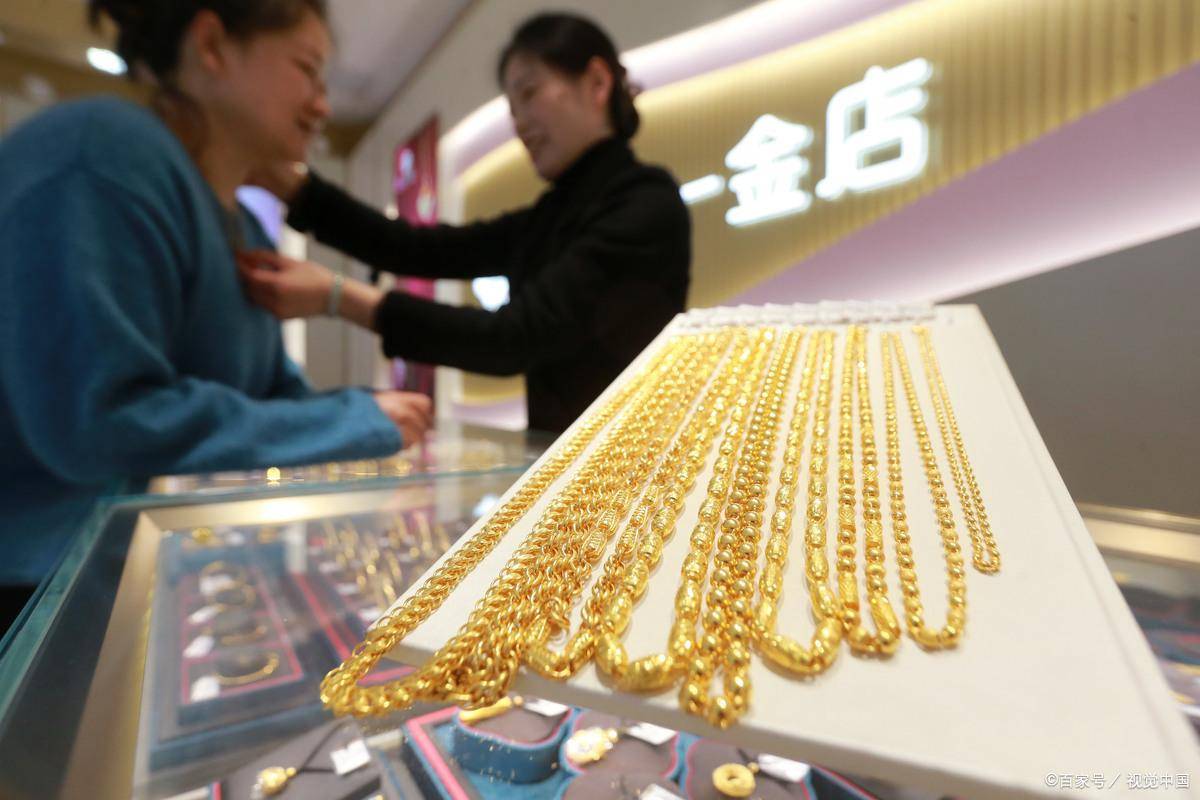
“淘金热”背后 警惕这些黄金消费“陷阱”
Xin Hua She· 2025-12-10 06:01
Group 1 - The core viewpoint of the articles highlights the rising demand for gold and jewelry consumption in China, with retail sales reaching 313.1 billion yuan in the first ten months of the year, a year-on-year increase of 14.0% [1] - The market for gold consumption is facing challenges such as counterfeit products, unclear quality standards, mixed sales channels, and inadequate after-sales service, prompting experts to call for improved market protection measures [1] - The emergence of "sand gold" as a low-cost alternative to real gold jewelry is raising concerns, as it is often made of brass with a thin gold plating, misleading consumers about its actual gold content [2][3] Group 2 - The health risks associated with "sand gold" include excessive nickel release, which can cause skin allergies, and the low-quality nature of these products, which can wear off quickly [3] - The pricing structure of "one-price" gold jewelry, which does not disclose weight, can lead to higher premiums and consumer disputes over value and quality [5][6] - The trend of "pain gold," where traditional gold companies collaborate with popular IPs, is growing, but consumers face risks with private customizations, including potential fraud and quality issues due to lack of third-party verification [7]
“淘金热”背后,警惕这些黄金消费“陷阱”
Xin Hua Wang· 2025-12-10 02:03
Group 1: Market Trends - The demand for gold and jewelry consumption has increased, with retail sales reaching 313.1 billion yuan in the first ten months of the year, a year-on-year growth of 14.0% [1] - The rising gold consumption market faces challenges such as counterfeit products, unclear quality, mixed channels, and lack of after-sales service [1] Group 2: "Sand Gold" Issues - "Sand gold," which resembles gold but is actually brass plated with a thin layer of gold, has gained popularity due to its low price, with some merchants claiming it is "Vietnamese sand gold" or "Myanmar sand gold" [2][3] - The actual gold content in "sand gold" is often misrepresented, with some products claiming 5% gold content but failing to meet this standard upon testing [2] - Health risks are associated with "sand gold" due to excessive nickel release, which can cause skin allergies [3] Group 3: Pricing and Quality Concerns - The pricing of "sand gold" is misleading, as the production cost is very low, with some items costing as little as 10 yuan to produce [3] - "One-price" gold jewelry is becoming more common, where prices are set per item rather than by weight, leading to potential overpricing and lack of transparency regarding the actual weight of the gold [4][5] - Consumers have reported disputes over the actual weight of "one-price" products, highlighting the need for transparency in pricing and after-sales policies [5] Group 4: Customization Risks - Traditional gold companies are embracing trends by launching collaborative gold products, referred to as "pain gold," but risks exist in private customization due to lack of legal protection and potential quality issues [6][7] - Consumers face risks such as upfront payments without guarantees and potential quality problems due to the absence of third-party testing [6][7]