痛金产品

Search documents
“淘金热”背后,警惕这些黄金消费“陷阱”
Xin Hua Wang· 2025-12-10 02:03
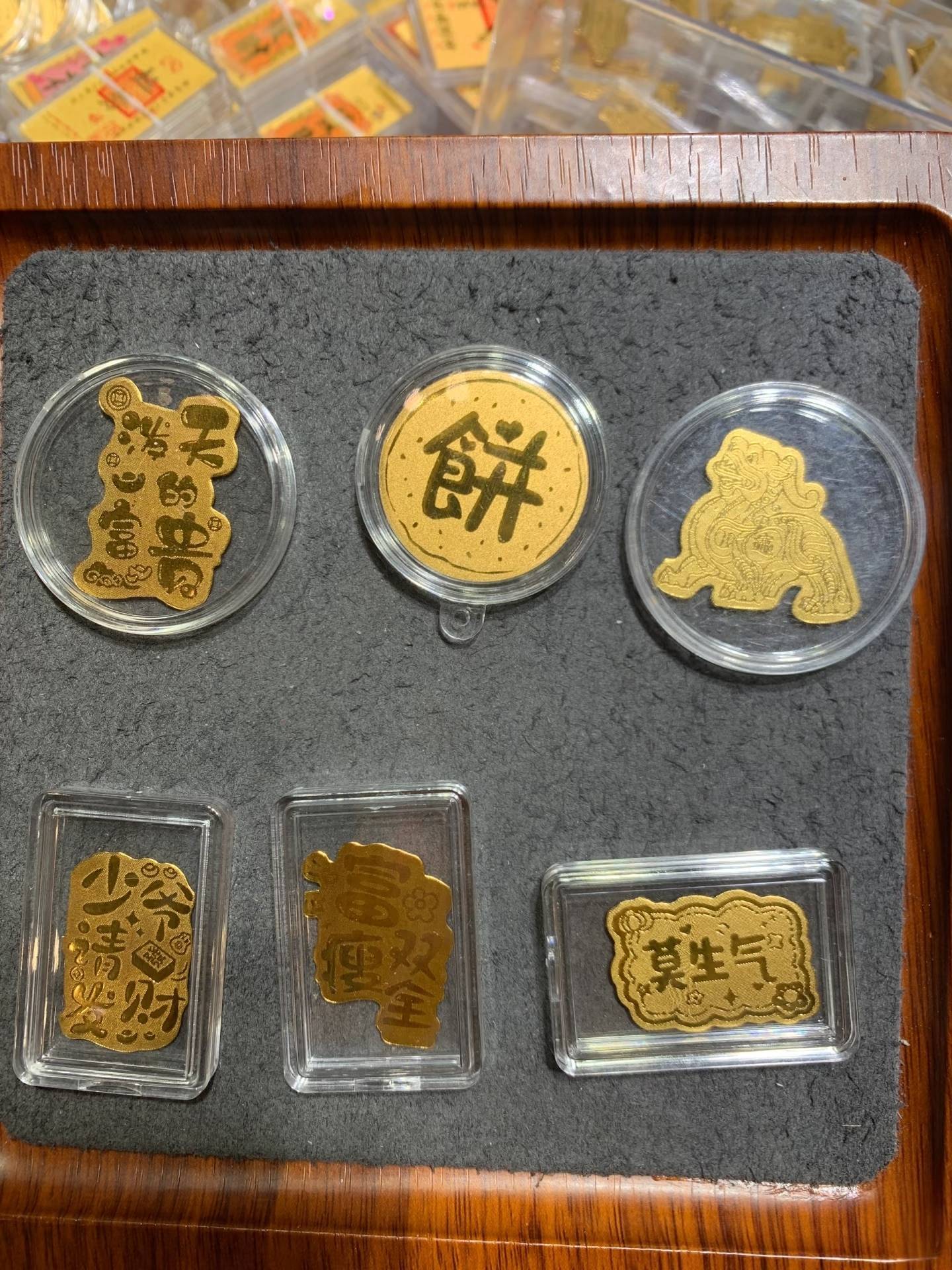
Group 1: Market Trends - The demand for gold and jewelry consumption has increased, with retail sales reaching 313.1 billion yuan in the first ten months of the year, a year-on-year growth of 14.0% [1] - The rising gold consumption market faces challenges such as counterfeit products, unclear quality, mixed channels, and lack of after-sales service [1] Group 2: "Sand Gold" Issues - "Sand gold," which resembles gold but is actually brass plated with a thin layer of gold, has gained popularity due to its low price, with some merchants claiming it is "Vietnamese sand gold" or "Myanmar sand gold" [2][3] - The actual gold content in "sand gold" is often misrepresented, with some products claiming 5% gold content but failing to meet this standard upon testing [2] - Health risks are associated with "sand gold" due to excessive nickel release, which can cause skin allergies [3] Group 3: Pricing and Quality Concerns - The pricing of "sand gold" is misleading, as the production cost is very low, with some items costing as little as 10 yuan to produce [3] - "One-price" gold jewelry is becoming more common, where prices are set per item rather than by weight, leading to potential overpricing and lack of transparency regarding the actual weight of the gold [4][5] - Consumers have reported disputes over the actual weight of "one-price" products, highlighting the need for transparency in pricing and after-sales policies [5] Group 4: Customization Risks - Traditional gold companies are embracing trends by launching collaborative gold products, referred to as "pain gold," but risks exist in private customization due to lack of legal protection and potential quality issues [6][7] - Consumers face risks such as upfront payments without guarantees and potential quality problems due to the absence of third-party testing [6][7]



深圳水贝“黄金平替”热销!金价狂飙下的消费变局
Sou Hu Cai Jing· 2025-09-18 10:20
Core Insights - The market for "gold alternatives" is gaining traction, particularly among younger consumers who are shifting from traditional gold purchases to more affordable options like gold-plated and platinum jewelry [5][6][11] - The price of gold has surged, with the spot price reaching $3,642.63 per ounce, marking a nearly 40% increase year-to-date, which has led consumers to explore alternative products [4][5] - The "pain gold" trend, characterized by gold jewelry linked to anime and gaming IPs, is becoming increasingly popular among young consumers, with a shift from weight-based pricing to fixed pricing models [6][7][11] Market Dynamics - The Shenzhen Water Bay jewelry market, housing over 7,000 gold and jewelry enterprises, accounts for approximately 70% of the national physical gold trading volume, making it the largest offline gold trading center in China [4] - The market is witnessing a transformation as traditional gold stores adapt by introducing "light gold laboratories" and focusing on minimalist designs to attract a younger demographic, primarily aged 25-35 [5][11] - The rise of online sales and live streaming has significantly increased foot traffic, with some stores reporting a threefold increase in customer visits despite a 15% decrease in profit margins per item due to fixed pricing [7][11] Consumer Behavior - Young consumers are redefining the value of gold, viewing it as a means of personal expression rather than just a hard currency, leading to a demand for products that combine design and affordability [5][6] - The "lipstick effect" is evident as economic slowdowns prompt consumers to opt for lower-priced alternatives, reflecting a broader trend of practical consumption among the younger generation [11][12] Industry Challenges - The rapid growth of the "gold alternative" market is accompanied by challenges, including intellectual property disputes and a rise in counterfeit certification cases, necessitating the establishment of third-party verification systems [12] - The increase in silver prices by 28% this year is putting pressure on the profit margins of alternative products, highlighting the need for industry standards and regulations [12] - Efforts are underway to create a standardized naming convention for composite materials and to promote a "rational gold purchasing guide" to enhance transparency in the market [12][13] Future Outlook - The transformation of the Water Bay market is not just about selling gold but about building a new ecosystem that integrates materials, craftsmanship, channels, and consumer trust [13] - The shift from manufacturing to standard output and industry services in the Luohu District reflects a broader trend in the Chinese jewelry industry, adapting to financial fluctuations and generational changes [13]

年内涨幅近40%!在全国最大黄金集散地,年轻人涌向黄金“平替”
Di Yi Cai Jing· 2025-09-14 13:21
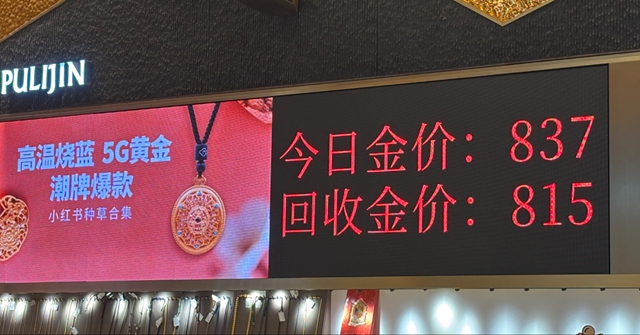
Core Insights - The rise in gold prices has led to a shift in consumer behavior, particularly among younger demographics, who are increasingly opting for alternative products like "platinum substitutes" and "gold-plated silver" due to their affordability [1][4][15] Price Trends - As of September 14, the London spot gold price reached $3642.63 per ounce, marking a nearly 40% increase for the year, with a rapid rise of about 10% since August 20 [2] - In the Shenzhen market, the price of gold surged from 782 RMB per gram to 837 RMB per gram within a month, reflecting a 55 RMB increase per gram [2][4] Consumer Behavior - Many consumers are adopting a wait-and-see approach due to high gold prices, with some postponing purchases of traditional gold items [4][15] - The emergence of "platinum substitutes" and "gold-plated silver" products has been noted, with an increase in the number of stores offering these alternatives in the market [4][15] Product Innovations - New product categories such as "pain gold" and designer imitations are gaining popularity, particularly among younger consumers [8][14] - "Pain gold" refers to gold jewelry linked with popular culture, such as anime and gaming, appealing to younger audiences [8][12] - Imitation products of luxury brands are also becoming a common sales strategy, with many merchants discreetly offering these items [14][15] Market Dynamics - The increase in gold prices has led to a decline in sales volume for traditional gold products, despite an increase in foot traffic in stores [4][15] - The market is witnessing a significant change in consumer demographics, with a higher ownership rate of gold jewelry among younger consumers aged 18 to 24 [15] Legal and Regulatory Considerations - The rise of "pain gold" and imitation products raises potential legal risks related to intellectual property and copyright issues [16] - Authorities are planning to conduct special enforcement actions to combat infringement, particularly targeting products that violate brand rights [16]