黄金预定价

Search documents
金价持续走高 国有大行筑牢交易安全线
Zheng Quan Shi Bao· 2026-01-11 17:00
Core Viewpoint - The recent rise in gold prices has led to increased trading risks, prompting major Chinese banks to issue warnings and adjust trading rules to protect investors [1][2]. Group 1: Gold Trading Risks - Since January 2026, major state-owned banks in China, including Bank of China and Industrial and Commercial Bank of China, have issued warnings regarding gold trading risks [1]. - The COMEX gold futures rose by 1.29% to $4,518.4 per ounce last Friday, with a weekly increase of 4.34% [1]. - Illegal trading platforms are attracting investors with promises of "low thresholds, high returns, and quick paybacks," which are essentially scams disguised as gold investment opportunities [1]. Group 2: Regulatory Adjustments - Bank of China has warned about illegal platforms that simulate futures trading, allowing investors to bet on price movements while requiring margin payments [1][2]. - The Shenzhen Municipal Office for the Prevention and Control of Illegal Financial Activities has issued risk alerts, stating that various gold and jewelry dealers are not licensed financial institutions and lack the qualifications to engage in gold asset management or public deposit solicitation [2]. - Industrial and Commercial Bank of China has raised the minimum investment for its gold accumulation business from 1,000 yuan to 1,100 yuan, effective January 8 [2]. Group 3: Risk Assessment Changes - Starting January 12, 2026, personal clients must undergo a risk assessment to engage in gold accumulation services, requiring a minimum risk tolerance rating of C3 - Balanced or higher [3]. - Previously, clients only needed a C1 - Conservative rating to participate in gold accumulation services [3]. - The adjustments reflect the need for investors to have a higher risk tolerance due to increased volatility in gold prices [3].



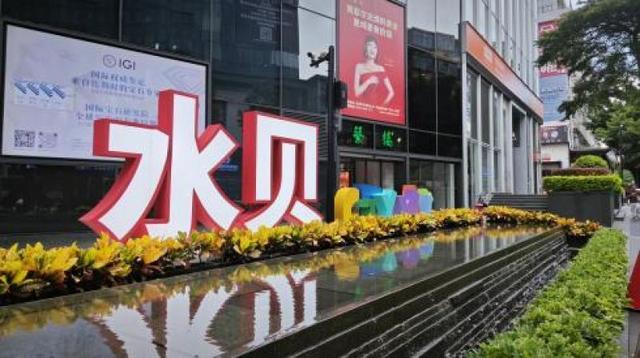
现场调查!揭秘水贝黄金赌局:对赌“预定价”爆仓,杠杠高达80倍,“崩盘”后多家公司人去楼空
Hua Xia Shi Bao· 2025-09-19 00:38
Core Viewpoint - The recent turmoil in the Shenzhen gold trading market, particularly involving the company "Yue Baoxin," has exposed the hidden risks of high-leverage gambling practices in the industry, coinciding with a significant rise in gold prices. Group 1: Company Overview - "Yue Baoxin" was located in a building where many gold and jewelry businesses operated, primarily catering to industry insiders and speculators [6][10] - The company has been reported to have closed down, leaving behind a disorganized office space and a fish tank with "wealth-attracting" goldfish still swimming [8][12] - Another company, "Shichuang Xincheng," has also been found to be vacant for a longer period and is in the process of being re-rented, indicating a broader trend of instability in the market [8][10] Group 2: Market Dynamics - The gold price in the Shenzhen market reached a high of 839 yuan per gram, up from 700 yuan per gram six months prior, reflecting a significant increase of 19.86% [17] - The market has been characterized by various speculative practices, including short selling and leveraging, which have contributed to the current crisis [6][14] - The "gold price locking" model, which allows investors to secure gold at a predetermined price with minimal upfront capital, has been likened to a form of gambling, with leverage ratios reaching as high as 80 times [15][19] Group 3: Regulatory Concerns - The lack of regulatory oversight in the gold trading sector has been highlighted, with many companies operating in a gray area, leading to potential illegal activities [20][22] - The current legal framework does not adequately address the risks associated with the "gold price locking" model, which has evolved into a high-risk speculative practice [21][22] - Recommendations have been made to increase the barriers to entry for gold trading businesses to prevent further incidents of financial misconduct [20][22]