
AI+航运

Search documents
许永锞侯刚会见钦实集团董事长何旭东 共同见证南宁钦实新能源船舶智造基地项目投资协议签约
Xin Lang Cai Jing· 2026-02-04 05:06
Group 1 - The signing of the investment agreement for the Nanning Qinshi New Energy Shipbuilding Intelligent Manufacturing Base project marks a significant collaboration between Qinshi Group and Nanning, focusing on shipbuilding, smart ports, and shipping development [1][2] - Nanning is leveraging its strategic location, resources, policies, and rich application scenarios to enhance the "ship-port-navigation-trade" full industrial chain, which strengthens the confidence of entrepreneurs in investing in Nanning and the ASEAN market [2] - The local government aims to promote the integration of port, industry, city, and maritime trade, and is committed to developing key industries such as new energy, new materials, and advanced equipment manufacturing [1] Group 2 - Qinshi Group is recognized for its strengths in ship design and manufacturing, ship trading, and port operations, aligning well with Nanning's economic development goals [1] - The collaboration is expected to accelerate the construction of cooperative projects in shipbuilding, AI in shipping, port operations, and modern logistics, contributing to Nanning's high-quality development [2] - Key stakeholders from various companies and local government officials participated in the meeting, indicating a strong interest in fostering partnerships and investments in the region [2]

宜昌市政协委员建议:打造长江中上游航运枢纽
Zhong Guo Xin Wen Wang· 2026-01-13 13:07
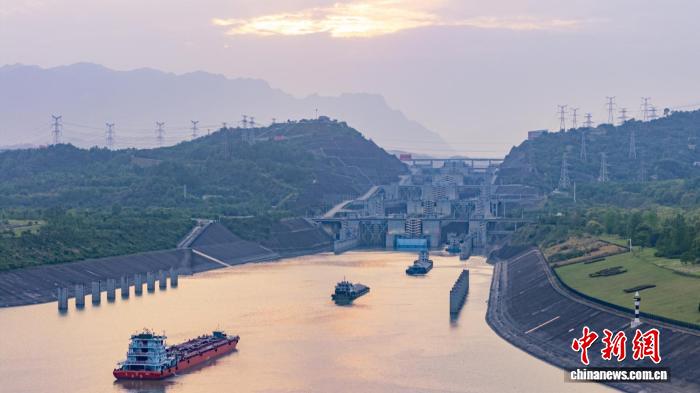
Core Viewpoint - The proposal to develop Yichang as a key shipping hub in the upper and middle reaches of the Yangtze River aims to enhance the high-quality development of the Yangtze River Economic Belt, leveraging its strategic location and existing infrastructure [1]. Group 1: Infrastructure and Logistics - Yichang is strategically located at the junction of the upper and middle reaches of the Yangtze River, with a main navigation length of 232 kilometers and significant logistics exchanges occurring here [2]. - The completion of the 4.5-meter deep navigation channel in the Yichang section during the 14th Five-Year Plan period allows 5,000-ton vessels to travel directly from Wuhan to Yichang, effectively breaking the shipping bottleneck in the middle reaches of the Yangtze River [2]. - By 2025, Yichang's port cargo throughput is expected to exceed 150 million tons, positioning it among the top ports in Hubei Province [2]. Group 2: Development Challenges and Recommendations - Current challenges in Yichang include an inadequate service guarantee system, insufficient industrial collaboration, and a lack of comprehensive data integration, which hinder quality development [5]. - Recommendations include optimizing the shipping environment, reducing logistics costs, and enhancing service guarantees through a one-stop online processing system for shipping-related matters [5]. - The establishment of a unified data-sharing platform integrating maritime, logistics, and hydrological data is suggested, along with the development of AI applications for intelligent scheduling and efficient cargo transport [6]. Group 3: Future Development Plans - Yichang plans to promote the development of hub economies through integrated transportation systems, including rail, air, and port logistics, to create a network that facilitates internal and external connectivity [6].

稳增长方案驱动运输新需求,兴通股份多举措提升盈利能力
Zheng Quan Shi Bao Wang· 2025-10-28 09:14
Group 1 - The core viewpoint of the news is that the "Work Plan for Stable Growth in the Petrochemical Industry (2025-2026)" issued by multiple national ministries will create multiple strategic opportunities for the company, including increased transportation demand and expansion of high-end product transportation and international business [1][2] - The company anticipates that the implementation of the plan, along with related policies, will gradually release new production capacity in the domestic petrochemical industry, which is expected to boost the domestic chemical transportation market [1][2] - The company is positioned as a leading player in liquid chemical shipping in China and aims to establish long-term partnerships with new capacity projects to secure more transportation business [1][2] Group 2 - The emphasis on increasing the supply of high-end chemical products in the plan is viewed as a development opportunity for the company, which has a fleet characterized by "large-scale, youthfulness, greenness, and high-end" features [2] - The company has seen an increase in its foreign trade revenue, which rose to 42% in the first half of the year, despite fluctuations in international freight rates [2] - The company plans to have 11 vessels with a total deadweight tonnage of 209,100 tons operational by the end of 2027, representing a 171% increase in capacity to meet the needs of Chinese enterprises going global and international chemical trade [2] Group 3 - The company follows a "1+2+1" development strategy focused on expanding domestic coastal liquid hazardous goods transportation while also exploring new energy transportation and deepening international shipping [3] - The company locks in basic revenue through a high proportion of COA contracts and time-charter models in the domestic market, while flexibly adjusting capacity based on global freight trends and regional demand in the international market [3] - The company has implemented a data-driven and AI-smart transformation in its operations, enhancing operational efficiency and safety management through the deployment of an AI-based shipping model [3]
