AI与传统产业融合

Search documents
大名县工商联:立足产业特色,走出融合发展之路
Xin Lang Cai Jing· 2026-01-13 22:55
Group 1 - The county's business association emphasizes a theme of "two healths," focusing on building a foundation through characteristic industries, driving innovation services, and enabling transformation through AI [1] - The association organized various forms of political education, including four visits to red education bases, with over 530 participants [1] - The association facilitated the growth of enterprises by organizing nine key companies to seek technology and providing digital transformation consulting to 16 companies [1] Group 2 - The county's business association established a model of "association + industrial park + shared factory" to promote the concentrated development of characteristic industries such as sesame oil and yam [2] - A "Socialized Agricultural Service Organization Alliance" was formed to create a three-tier service network, aiming to cover 4 million acres in 2024 and reduce costs by over 20% [2] - The association hosted the only county-level "AI Navigation Cup" competition in the country to promote the integration of AI with traditional industries [2]
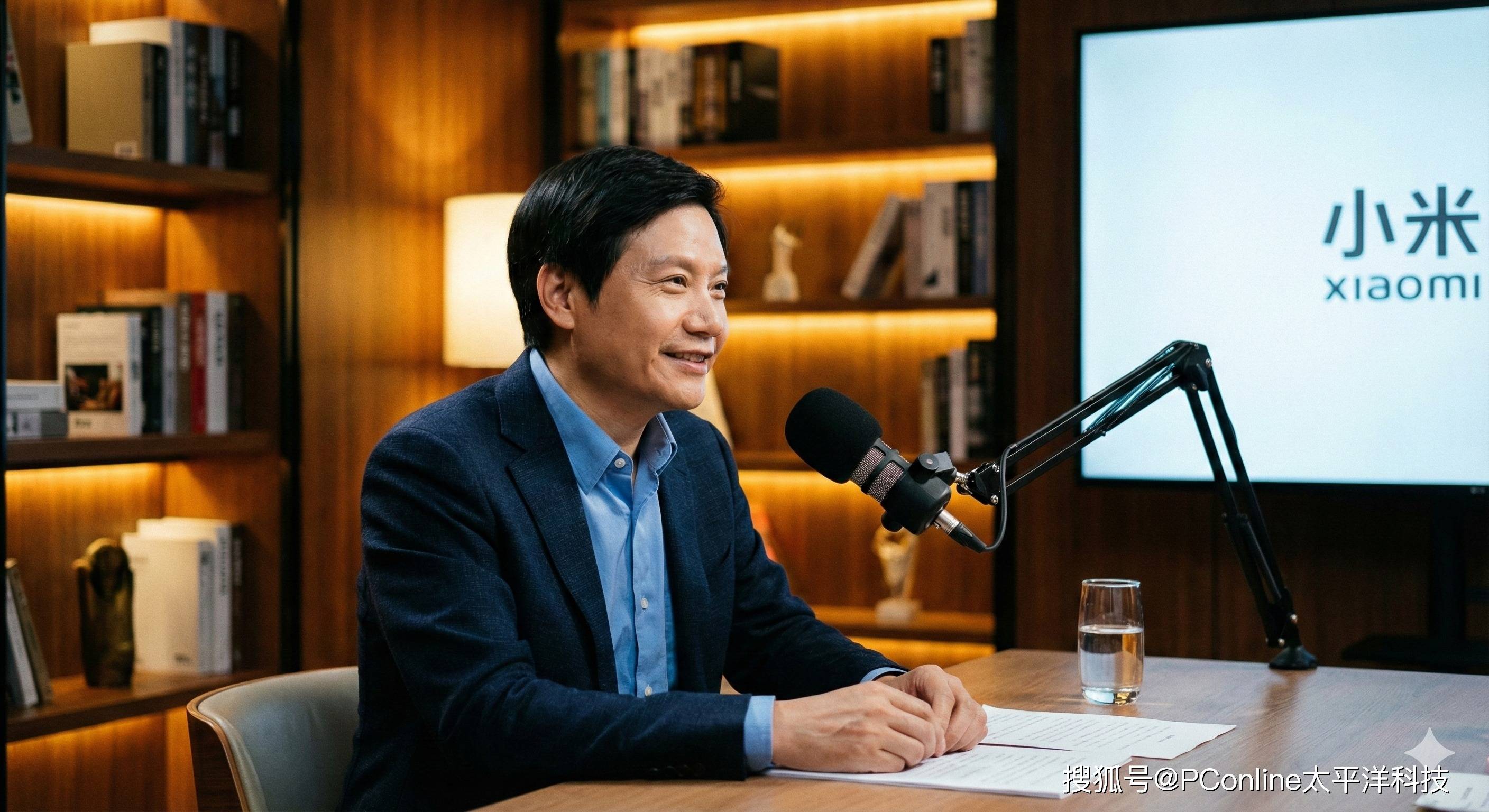
雷军:所有产业都值得用 AI 再做一遍
Sou Hu Cai Jing· 2025-11-28 10:24
Core Viewpoint - The founder of Xiaomi, Lei Jun, emphasizes that the next five years will be a critical window for the profound impact of artificial intelligence (AI) on traditional industries, suggesting that all industries are worth re-evaluating with AI's empowerment [1] Group 1: AI in Manufacturing - Xiaomi's internal operations in its automotive factory reveal how AI addresses previously unsolvable pain points in traditional manufacturing [2] - The introduction of AI visual models and X-ray technology in automotive manufacturing has significantly improved the efficiency of large die-casting part inspections, achieving a tenfold increase in detection efficiency, with full inspections taking only two seconds [3][5] - The precision of these AI-driven inspections is over five times better than traditional methods, marking a new height in manufacturing efficiency and quality control for Xiaomi [5] Group 2: Broader Applications of AI - Xiaomi's smart home appliance factory in Wuhan serves as a testing ground for AI technology, achieving a remarkable production speed of one air conditioner every 6.5 seconds, with key component inspection accuracy at 100% [5] - The early and deep application of AI tools is becoming a watershed for companies to build core competitive advantages [5] Group 3: Market Potential and Collaboration - The deep integration of AI with traditional industries is expected to create a massive market worth trillions, necessitating collaboration among industry leaders to drive systemic upgrades across the supply chain [6] - Lei Jun outlines an aggressive timeline for the large-scale application of humanoid robots in the next five years, which will enhance production efficiency and take on more repetitive or high-risk tasks [7] Group 4: Future Outlook - The potential for humanoid robots in household scenarios is anticipated to surpass that in industrial settings as technology matures, indicating a broader market space [7] - The penetration of AI across various sectors signals that adapting to this new trend is essential for companies to seize opportunities and avoid being eliminated in the upcoming industry reshuffle [8]