AI原生设备

Search documents
曝OpenAI 首款硬件定名「Dime」,坏消息:成本太高,9月首发只有「阉割版」
创业邦· 2026-02-09 04:07
Core Viewpoint - OpenAI is set to launch its first consumer hardware product, an AI headset named "Dime," which will initially be a simplified version due to high costs associated with advanced chip technology [5][6][9]. Product Development - OpenAI's "Dime" is designed to be a compact and unique audio device, aiming to replace existing products like AirPods, with a focus on high-quality materials and innovative design [6][9]. - The initial release is planned for 2026, with a target production of 40 to 50 million units in the first year [7][8]. - OpenAI is also developing custom chips to enable voice command functionalities similar to Apple's Siri, aiming to integrate seamlessly into existing ecosystems [7]. Strategic Vision - OpenAI's CEO, Sam Altman, emphasizes that the real competition lies with Apple, as the future of AI will be in end-user devices rather than cloud services [9]. - The vision for the hardware is to create an "AI native device" that enhances user focus and interaction, contrasting with the overwhelming nature of smartphones [9][10]. Additional Hardware Concepts - Alongside the headset, OpenAI is considering a smart pen, which aligns with the personal preferences of both Altman and Jony Ive, the designer behind the product [11][19]. - The smart pen is expected to incorporate advanced features, potentially including a micro-projector and environmental sensing capabilities, to enhance user interaction [33]. Market Positioning - OpenAI's entry into the hardware market is seen as a strategic move to disrupt existing AI hardware offerings, which primarily focus on basic functionalities like recording and transcription [30]. - The company plans to bundle software services with its hardware, leveraging its existing user base to quickly capture market share [31]. Competitive Landscape - The timing of OpenAI's product launch aligns with increasing competition in the AI hardware space, with major tech companies like Meta and Google also developing their own AI devices [35]. - OpenAI's approach of creating devices that only appear when needed may offer a unique advantage in a crowded market [36].


苹果下个爆款可能不是 iPhone,居然「复活」全网群嘲的 Ai Pin,首批 2000 万台
3 6 Ke· 2026-01-22 02:24
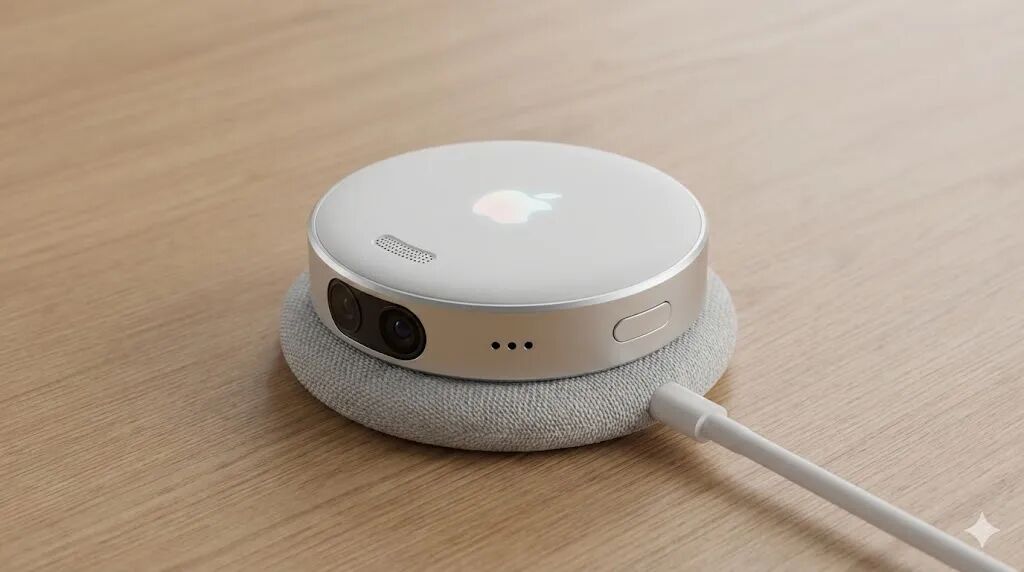
Core Insights - Apple is secretly developing an AI device resembling AirTag, aiming to compete with existing AI hardware like Ai Pin, which has faced criticism [1][3] - The new AI hardware is expected to feature two cameras, three microphones, a speaker, and magnetic wireless charging, focusing on computer vision and voice interaction [3][5] - Apple plans to produce 20 million units of this device, despite the failure of similar products from competitors [5][9] AI Hardware Development - The AI device may operate independently or in conjunction with iPhones, indicating a desire for standalone interaction capabilities [5] - Apple executives express anxiety over the potential obsolescence of the iPhone due to the rise of AI, prompting the need for innovative hardware [9][11] - The competitive landscape includes OpenAI and Meta, with Apple needing to establish a foothold in the AI hardware market to avoid being left behind [11][12] Siri Transformation - Apple is planning a significant overhaul of Siri, transitioning it into a chatbot integrated deeply into iOS and macOS, expected to be unveiled at WWDC 2024 [15][16] - The new Siri, codenamed "Campos," will have capabilities similar to ChatGPT, including web search, email writing, and document analysis [16][19] - Apple is investing approximately $1 billion annually to leverage Google's AI models for this upgrade, indicating a shift in strategy to enhance Siri's functionality [18][21] Future AI Initiatives - Apple is exploring a range of AI hardware projects, including camera-equipped AirPods, desktop robots, and AI glasses, indicating a broader commitment to AI technology [22][24] - A notable upcoming product is a home smart device with a mechanical arm, capable of following users around, showcasing Apple's innovative approach to AI integration in everyday life [24]

Nothing挖来前Loewe高管出任首席品牌官,三年内还要冲刺IPO
Sou Hu Cai Jing· 2025-12-07 04:36
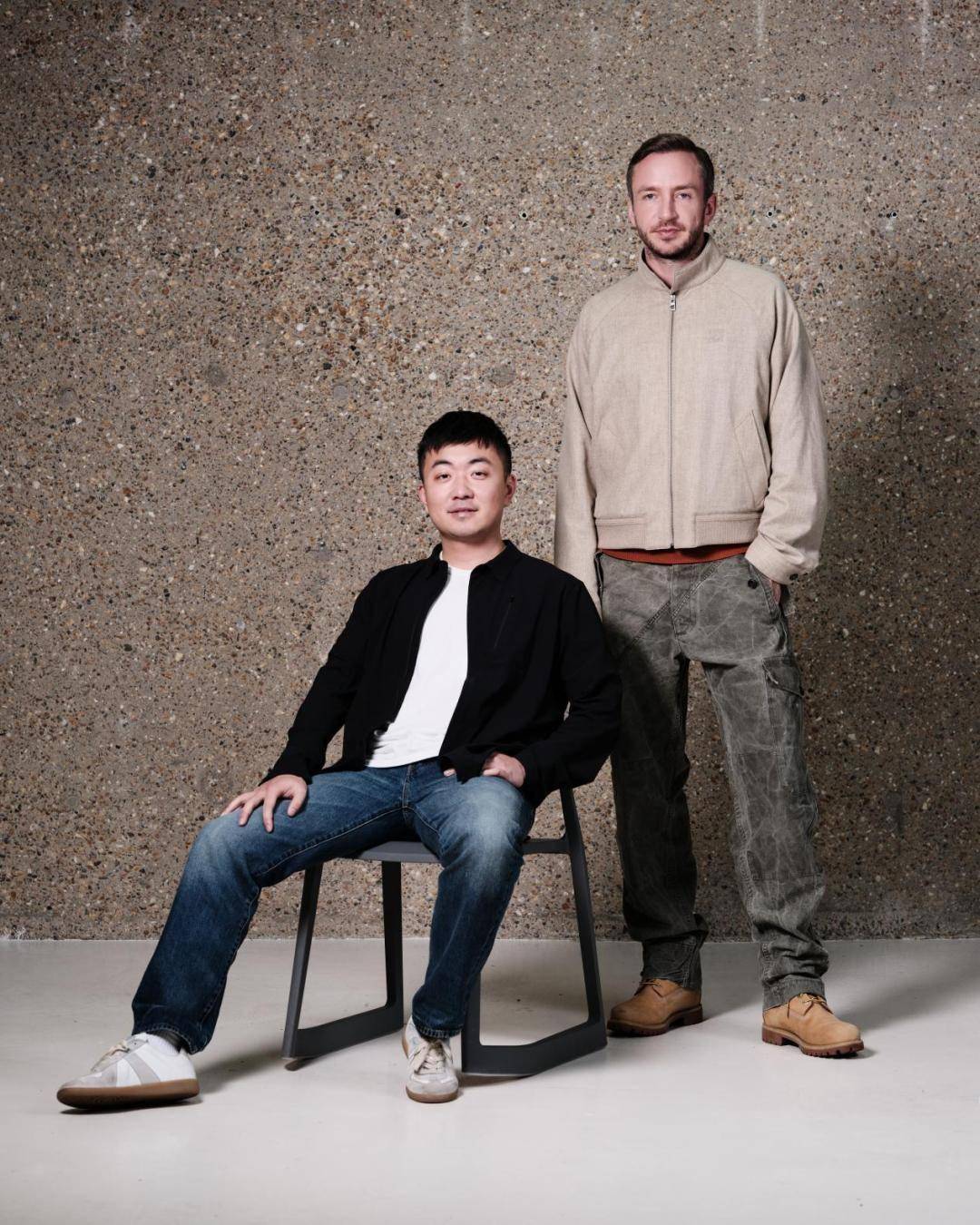
Core Insights - Nothing has announced two significant strategic moves: hiring Charlie Smith as Chief Brand Officer and initiating a new $5 million community investment, addressing the challenges of funding and branding as it aims for an IPO within three years [1][4]. Group 1: Leadership and Brand Strategy - Charlie Smith, previously the Chief Marketing and Communications Officer at Loewe, will join Nothing's executive team in January 2026, reporting directly to CEO Carl Pei. He will oversee global brand strategy, including brand image, marketing, external communications, and retail space design [1][3]. - Under Smith's leadership, Loewe was recognized multiple times as one of the "hottest global brands" by Lyst, and he has led innovative collaborations with notable entities such as Studio Ghibli and Suna Fujita [3]. Group 2: Funding and Investment - Nothing is set to open a new round of financing on December 10, maintaining the same valuation of $1.3 billion as in its previous C round, despite ongoing business growth [4]. - The company has raised over $450 million to date, with notable investors including Tiger Global, Google Ventures, Highland Europe, EQT, and Qualcomm Ventures. It has nearly 8,000 community investors who have collectively invested $8 million [4][5]. - CEO Carl Pei indicated that the company is working towards being IPO-ready within three years, with the exact timing dependent on market conditions [4][5]. Group 3: Business Performance and Market Position - Since its founding in 2020, Nothing has delivered millions of devices and surpassed $1 billion in cumulative revenue, projecting a 150% year-over-year growth in 2024 [5]. - In a stagnant global smartphone market, Nothing has carved out a unique position through distinctive design, deep community engagement, and a differentiated brand identity [5]. - The introduction of Charlie Smith signifies a shift towards enhancing the cultural impact of its technology products, aiming to evolve from mere tools to influential consumer brands [5][6].
14.24亿元,智能手机厂商Nothing完成C轮融资
WitsView睿智显示· 2025-09-22 09:08
Core Viewpoint - Nothing has successfully completed a Series C funding round of $200 million (approximately 1.424 billion RMB), led by Tiger Global, with participation from Google Ventures, EQT, Qualcomm Ventures, and Indian billionaire Nikhil Kamath [2]. Group 1: Company Overview - Nothing is headquartered in London and was founded by Carl Pei, co-founder of OnePlus. The company specializes in products such as smartphones, headphones, and smart wearables, characterized by transparent designs [2]. - The product line includes the Nothing Phone series, which features mid to high-end models, and the CMF Phone series, which focuses on cost-effectiveness [3]. Group 2: Product Details - The Nothing Phone (1) was launched in July 2022 with a Snapdragon 778G+ chip, while the Phone (2) was released in July 2023 with a Snapdragon 8+ Gen1 chip and promises three years of system updates. The Phone (3) is set to launch in July 2025, featuring a silicon-carbon battery and LTPS AMOLED display [3]. - The Phone (3) will also introduce a Glyph Matrix display on the back, utilizing Micro LED technology for notifications and interactive feedback [3]. Group 3: Audio and Wearable Products - Nothing has released the Ear series of true wireless earbuds, such as the Nothing Ear (2), which supports active noise cancellation and personalized sound adjustments, showcasing an internal component structure through its transparent design [7]. - The company also offers the Nothing Watch series, which includes health monitoring and fitness tracking features. Recently, the CMF Watch 3 Pro was launched in China at a price of 759 RMB (initial sale at 599 RMB), featuring a 1.43-inch circular OLED screen and support for 131 sports modes [7]. Group 4: Sales and Future Plans - Official data indicates that Nothing has shipped millions of devices, including smartphones and earbuds, with a goal to achieve a cumulative sales revenue of over $1 billion by 2025 [7]. - The founder, Carl Pei, announced plans to launch an "AI-native device" independent of smartphones next year, aiming to innovate user experience and interaction through AI technology [7].