AI定价模式

Search documents
拆解AI时代5种主流定价模型:别让你的大模型供应商赚走最后一分利润
3 6 Ke· 2026-01-28 23:32
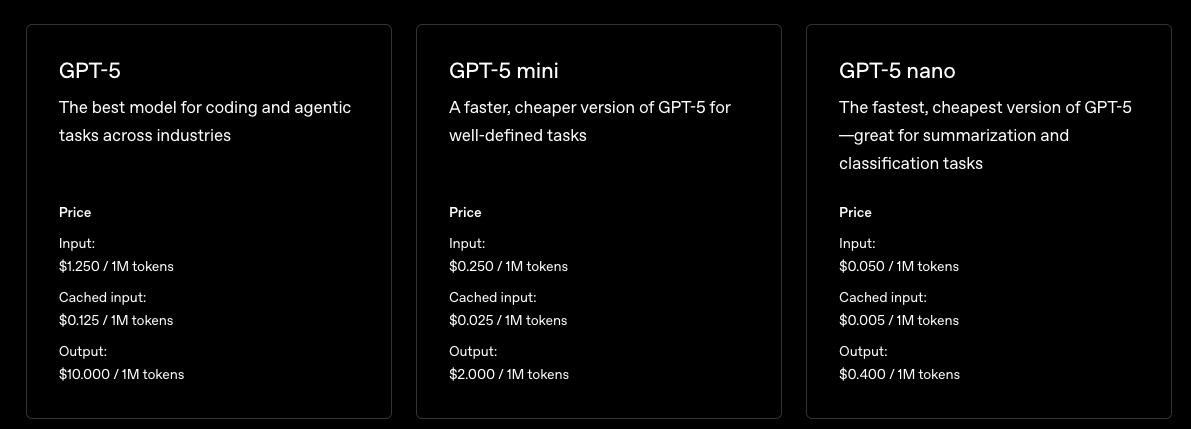
Core Insights - The article discusses the paradigm shift in pricing models for AI products, emphasizing that traditional SaaS economic logic is being disrupted by the high costs associated with AI, particularly large language models (LLMs) [1][2][3] - It highlights the need for companies to adopt new pricing strategies to maintain profitability while managing the costs of AI usage [3][19] Pricing Models - **Pay-as-you-go**: This model charges customers based on their actual usage, similar to how AWS and OpenAI operate, where costs are incurred based on the amount of data processed or tokens used [5] - **Seat-based subscription**: This traditional model remains effective, as demonstrated by collaboration tools like Miro, which charge per user while incorporating AI features [7][9] - **Subscription with overage fees**: This model provides a base usage package with additional charges for exceeding limits, suitable for high-reliability products like coding tools [10][12] - **Point-based billing**: This hybrid model allows users to purchase points for usage, creating a perception of unlimited access while managing costs effectively [13][14] - **Outcome-based billing**: Customers pay only when specific results are delivered, exemplified by Intercom's AI chatbot charging per resolved ticket [16][18] Core Principles for Pricing - **Cost-based pricing**: Pricing must cover costs, as many companies fail to do so, leading to unsustainable business models [20] - **Value-based pricing**: Customers should pay based on the value they receive, which varies by product type and usage [21][22] - **Customer experience in pricing**: The way pricing is structured should align with customer preferences for predictability and simplicity [23][25] Future Outlook - Companies will need to invest more time in pricing, monetization, and unit economics as AI products evolve, requiring collaboration across teams [26][27] - Successful AI companies will align their pricing models with user value and engineering capabilities, ensuring sustainable growth [28]

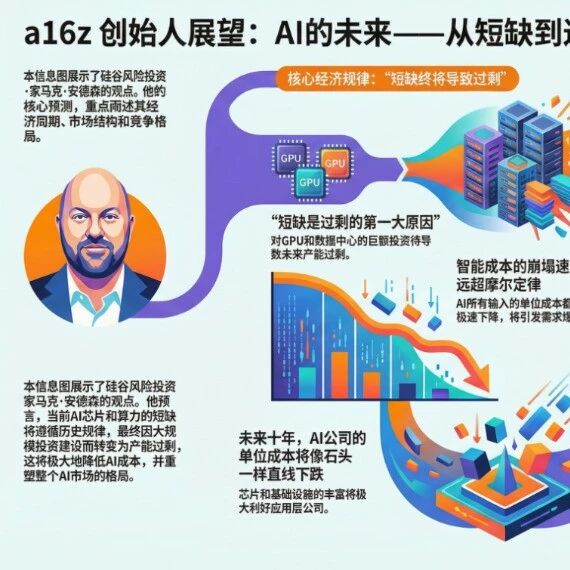
“短缺终将导致过剩”!a16z安德森2026年展望:AI芯片将迎来产能爆发与价格崩塌
硬AI· 2026-01-08 04:24
Core Insights - AI represents a technological revolution larger than the internet, comparable to electricity and microprocessors, and is still in its early stages [2][3][11] - The cost of AI is decreasing at a rate faster than Moore's Law, leading to explosive demand growth [4][41] - Historical patterns suggest that shortages in GPU and data center capacity will eventually lead to oversupply, further driving down AI costs [5][12][41] Group 1: AI Market Dynamics - The future AI market structure will resemble the computer industry, with a few "god-level models" at the top and numerous low-cost "small models" proliferating at the edges [6][19] - The competition between the US and China is intensifying, with Chinese companies like DeepSeek and Kimi making significant strides in open-source strategies and chip development [6][15][59] - AI applications are shifting from "pay-per-token" models to "value-based pricing," allowing startups to integrate and build their own models rather than merely acting as wrappers [7][17] Group 2: Public Perception and Regulatory Landscape - Public sentiment towards AI is mixed, with fears of job displacement coexisting with rapid adoption of AI technologies [8] - The EU's regulatory approach, focusing on leading in regulation rather than innovation, is hindering local AI development [8][60] - The US regulatory environment is shifting towards supporting innovation, with less interest in imposing strict regulations that could hinder competitiveness against China [14][64] Group 3: Economic Implications - The rapid decline in AI input costs is expected to create significant demand elasticity, leading to unprecedented growth in AI applications [41][42] - The economic landscape for AI companies is promising, with many experiencing unprecedented revenue growth as they effectively monetize their offerings [32][39] - The ongoing construction of data centers and GPU production is projected to lead to a significant reduction in AI operational costs over the next decade [41][50]