AI情感科技

Search documents
过去的一年,消费彻底变了
首席商业评论· 2026-01-01 04:42
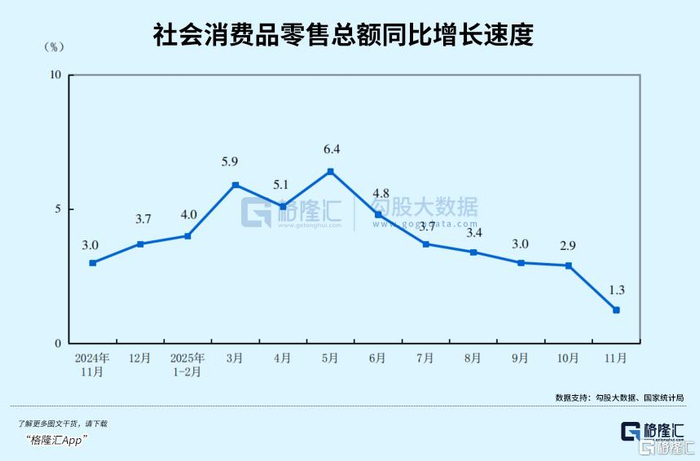
Core Viewpoint - The article discusses the evolving landscape of consumer behavior in China, highlighting the coexistence of emotional and rational consumption trends, and the implications for investment opportunities in the market [5][22]. Group 1: Consumer Trends - Despite perceptions of a cooling consumer market, data shows that final consumption expenditure contributed 53.5% to economic growth in the first three quarters of 2025, an increase of 9 percentage points from 2024 [6]. - Social retail sales grew by 4.0% year-on-year in the first 11 months of this year, surpassing the 3.5% growth expected for the entire year of 2024 [6]. - A McKinsey survey indicates that the expected share of domestic consumption in disposable income for 2025 is stable at 0.0%, a significant improvement from the previous year's expectation of -0.5% [9]. Group 2: Emotional and Rational Consumption - The article identifies two main trends in consumer behavior: emotional consumption, which focuses on personal satisfaction and identity, and rational consumption, which emphasizes quality and cost-effectiveness [13]. - A Nielsen IQ report reveals that 47% of respondents in China purchased only essential items to avoid waste, while 68% were willing to spend more on products that help relieve stress [13]. - The rise of the second-hand economy is noted, with platforms like Xianyu seeing a daily average of 7 million items listed, reflecting a growing acceptance of "recycling consumption" among young consumers [14]. Group 3: Future Consumption Landscape - The emotional economy in China is projected to reach a market size of 2.3 trillion yuan in 2024, with expectations to exceed 4.5 trillion yuan by 2029 [15]. - The article suggests that the health and wellness industry, as well as the pet economy, will benefit from shifting consumer spending towards self-investment and emotional fulfillment [20]. - The emergence of AI-driven emotional technology and virtual consumption is anticipated to create new market opportunities, as consumers increasingly seek personalized emotional experiences [21].

今年,消费彻底变了
Ge Long Hui A P P· 2025-12-28 08:57
Core Insights - The consumption industry has undergone significant changes over the past year, with a shift in focus from traditional products like liquor to new consumption trends driven by emotional and social factors [1][10]. Group 1: Consumption Trends - Despite perceptions of a cooling consumption market, consumer demand has shown stability, with retail sales growing by 4.0% year-on-year in the first 11 months of this year, surpassing the 3.5% growth expected for the entire year of 2024 [4][5]. - The contribution of final consumption expenditure to economic growth reached 53.5% in the first three quarters of 2025, an increase of 9 percentage points compared to the entire year of 2024 [4]. - The concept of "new consumption" has emerged, characterized by emotional and social attributes, as seen in the popularity of brands like Bubble Mart and the rise of "self-reward" consumption [8][9]. Group 2: Consumer Behavior - Young consumers, particularly those from the Z generation, are becoming the main drivers of consumption, with 56.3% of them willing to spend on emotional value and interests, a 16.2 percentage point increase from 2024 [10][9]. - The trend of "rational consumption" is also evident, where consumers are increasingly focused on quality and value, with 47% of respondents indicating they only purchase essentials to avoid waste, while 68% are willing to spend more on products that help relieve stress [11][10]. Group 3: Market Opportunities - The second-hand economy is thriving, with platforms like Xianyu seeing a 30% year-on-year increase in transaction volume, reflecting young consumers' acceptance of "recycled consumption" [12]. - The health and wellness industry is benefiting from consumers' desire to invest in personal growth, with products like smart home devices and effective skincare gaining traction [14][13]. - The pet economy is emerging as a significant market, driven by the emotional support pets provide, with a wide range of related products and services [24]. Group 4: Future Outlook - The emotional consumption market in China is projected to reach 2.3 trillion yuan in 2024, with expectations to exceed 4.5 trillion yuan by 2029, indicating substantial growth potential [16]. - The consumption landscape is evolving into a complex ecosystem where rational and emotional consumption coexist, reshaping investment strategies and market dynamics [27].