AI短视频

Search documents
AI时代的短视频:Sora2的答案
新财富· 2025-10-24 08:08
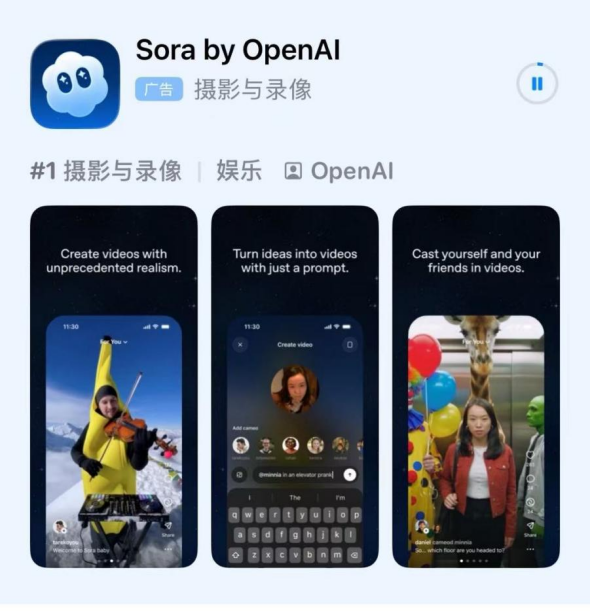
Core Viewpoint - The article discusses the evolution of AI-generated video technology, particularly focusing on OpenAI's Sora 2, which aims to create a new platform for short video generation, similar to Douyin, while addressing the challenges of user engagement and commercial viability [2][17][20]. Group 1: Historical Context and Development - In 2015, the short video app Xiaokaxiu simplified video creation, which laid the groundwork for later platforms like Douyin that focused on music and lip-syncing [2]. - The rise of short videos and live commerce has transformed content creation into a mainstream activity, leading to the development of AI video generation technologies [2][4]. Group 2: Sora 2 Features and Innovations - Sora 2 introduces significant advancements, including long narrative integrity and physical logic realism, achieving an 88% accuracy in simulating physical laws, a 47% improvement from its predecessor [8]. - The platform allows for audio-visual integration, generating synchronized sound effects and dialogue, with a synchronization error of less than 120 milliseconds [9]. - Sora 2 supports multi-camera storytelling, maintaining consistency in character appearance and scene details across longer video formats, breaking the limitations of previous models [10]. Group 3: User Engagement and Social Interaction - Sora 2 features Cameo and Remix functionalities, enabling users to insert their likeness into AI-generated scenes and modify existing videos, fostering a new dimension of social interaction [11][15]. - The platform's design encourages browsing without the need for active creation, potentially broadening its user base and enhancing content virality [15]. Group 4: Competitive Landscape and Commercialization - OpenAI's shift towards commercialization is evident as it aims to transform from a research-focused entity to a product ecosystem builder, responding rapidly to competitive pressures from other AI models [17][20]. - The urgency for OpenAI to secure funding and achieve profitability is underscored by significant cash burn rates, with projections indicating a need for substantial revenue growth by 2029 [20]. Group 5: Challenges and Future Considerations - The article raises concerns about Sora's ability to maintain user engagement in a saturated short video market, questioning whether it can replicate the sustained popularity of platforms like Douyin [22][24]. - The potential for high-quality content generation through AI may not guarantee long-term user retention, as the novelty of AI-generated videos could wear off quickly [22][23].

盯上AI版抖音的奥特曼,先要搞定皮卡丘
3 6 Ke· 2025-10-02 07:24
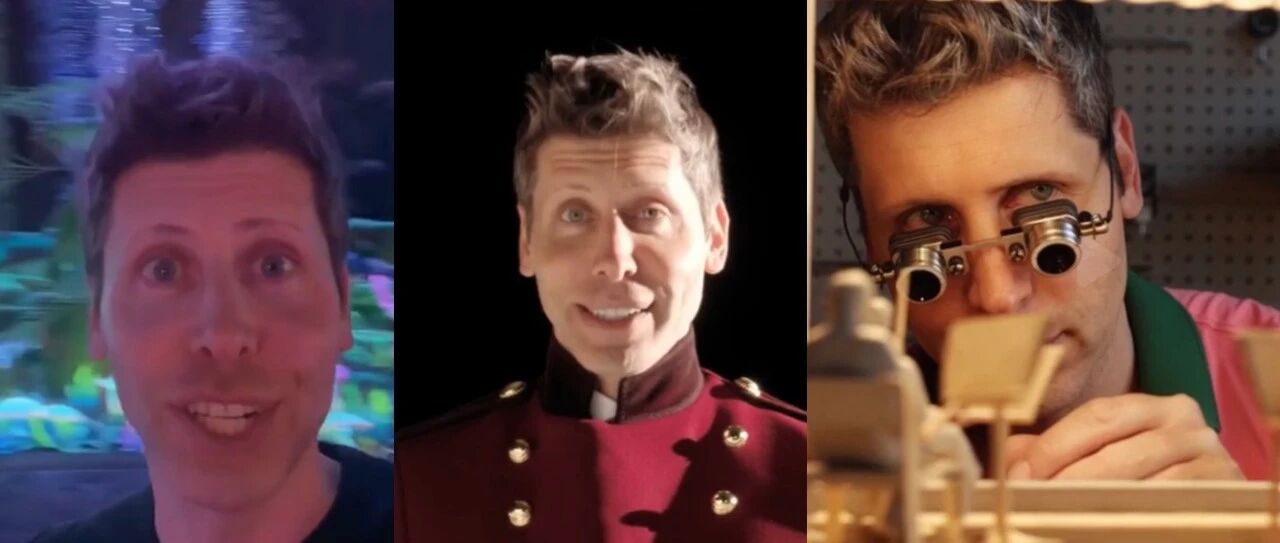
Core Insights - The launch of AI short video applications by Meta and OpenAI marks the beginning of a new era in social media, reminiscent of TikTok [2][15] - OpenAI's Sora 2 model has improved capabilities compared to its predecessor, allowing for more realistic video generation and user engagement [3][28] - Meta's Vibes aims to enhance creativity and community sharing, but has faced criticism for being less innovative compared to OpenAI's offerings [17][22] Group 1: OpenAI's Sora 2 - OpenAI has released Sora 2, which is said to better adhere to physical world rules and can generate synchronized audio [3] - The Sora application allows users to create videos featuring themselves and friends, utilizing a feature called "Cameo" [8][10] - Initial user feedback indicates that Sora 2's performance is impressive, with realistic motion and consistency in video generation [12][28] Group 2: Meta's Vibes - Meta's Vibes is designed to help users find creative inspiration and share AI-generated videos, with a focus on community engagement [17] - Despite its potential, Vibes has been criticized as an "AI garbage machine," reflecting user dissatisfaction [22][23] - Meta's advertising revenue from short videos is significant, with projections indicating Instagram's ad revenue will surpass Facebook's by 2025 [17][18] Group 3: Market Implications - The competition between OpenAI and Meta in the AI short video space could reshape the landscape of social media and advertising [2][15] - OpenAI's entry into the social market is seen as a strategic move to diversify revenue streams amid financial challenges [27] - The success of these applications may depend on user engagement and the ability to address challenges such as computational demands and copyright issues [29]

盯上AI版抖音的奥特曼,先得搞定皮卡丘
Hu Xiu· 2025-10-02 07:20
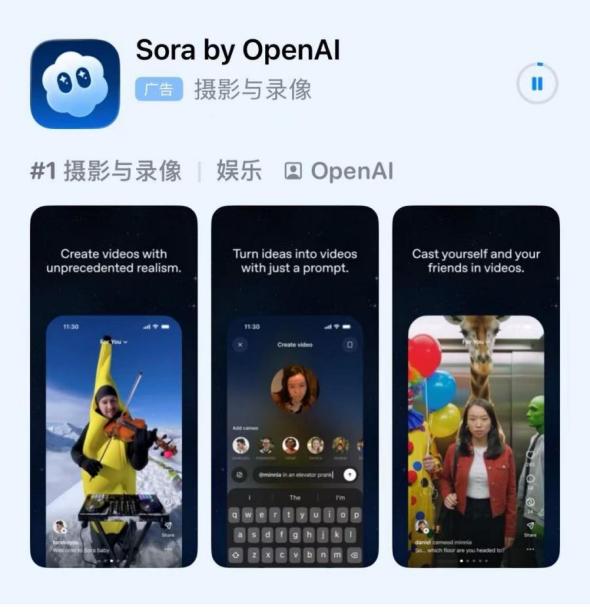
Core Insights - The launch of AI-driven short video applications by Meta and OpenAI marks the beginning of a new era in social media, reminiscent of the "AI version of TikTok" [3][6][51] - OpenAI's Sora 2 model and its standalone application have generated excitement and criticism, with users eager to explore its innovative features [5][8][40] - Meta's Vibes aims to enhance user creativity and engagement, but faces skepticism regarding its effectiveness compared to TikTok [28][29][37] Group 1: OpenAI's Sora 2 - OpenAI has released Sora 2, an upgraded video model that better adheres to physical world rules and can generate audio simultaneously [7][8] - The Sora application allows users to create videos featuring themselves and friends, utilizing a feature called "Cameo" for deepfake-like experiences [15][21][49] - User experience with Sora 2 has been described as impressive, with realistic motion and visual fidelity [21][22] Group 2: Meta's Vibes - Meta's Vibes is designed to help users find creative inspiration and share AI-generated videos, integrating with existing platforms like Instagram [28][29] - Despite its potential, Vibes has been criticized as a "garbage machine" for AI content, reflecting a broader skepticism about AI-generated media [37][38] - Meta's advertising revenue from short videos is significant, with projections indicating continued growth in this area [29][30] Group 3: Industry Implications - The emergence of AI video applications raises questions about content quality, user engagement, and potential monetization strategies for both OpenAI and Meta [45][49][52] - The competition between OpenAI and Meta in the AI video space could reshape the landscape of social media and advertising [30][51] - Concerns about computational resources and copyright issues are likely to challenge the scalability of these AI applications [52][53]