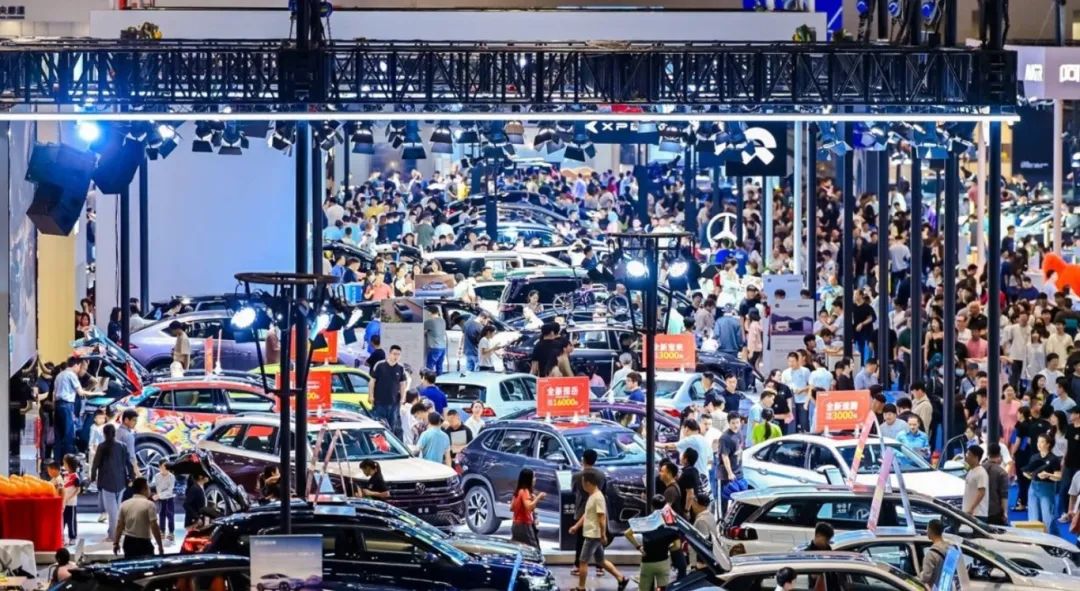
Automotive Industry Transformation

Search documents
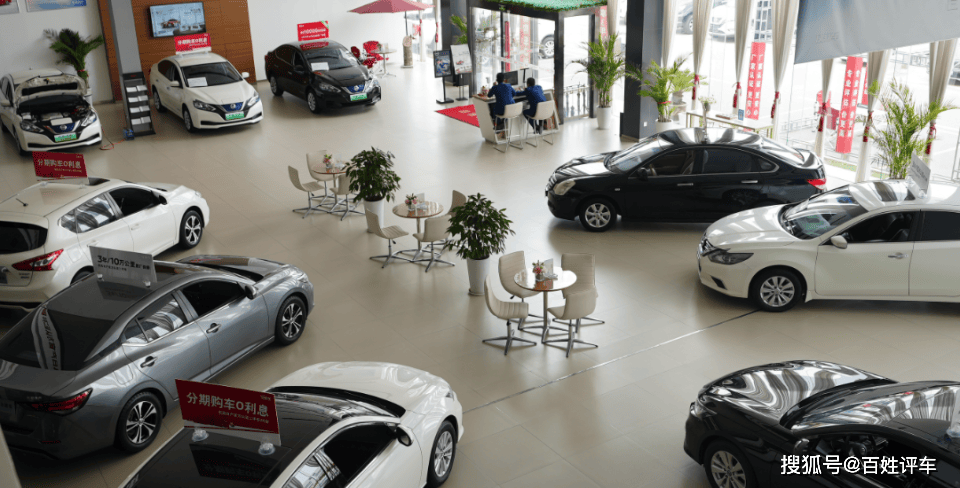
年终变淡季,2026年初4S店冷清到销售提前过年
Sou Hu Cai Jing· 2026-01-28 06:30
Core Viewpoint - The automotive dealership industry is experiencing a significant downturn, characterized by reduced customer traffic and sales, primarily due to policy changes, high inventory pressure, and evolving consumer demands [1][3][16] Group 1: Market Conditions - The end of 2025 and the beginning of 2026 saw a net reduction of 1,480 dealerships in China, with 2,749 stores closing [3] - In the first half of January 2026, dealer customer traffic dropped by 22.6% compared to late December 2025, and order volume plummeted by 54.1% [4][3] - The inventory of passenger vehicles surged to 3.65 million units by the end of 2025, with a turnover period of 66 days, significantly exceeding the healthy international range [6] Group 2: Profitability Challenges - The shift in policy regarding the new energy vehicle purchase tax has led to a demand imbalance, causing dealers to lose motivation to push sales and opt for a "winter retreat" strategy [4] - By the end of 2025, 74.4% of dealers faced price inversion issues, with 43.6% experiencing a price drop exceeding 15% [8] - Dealers are forced to reduce prices to clear inventory, with significant discounts on models like the BMW i7 and Cadillac CT5, but these actions often lack support from manufacturers [8] Group 3: Structural Changes in the Industry - The traditional dealership model is facing a crisis due to deep changes in channel strategies and shifts in consumer preferences [9] - New energy brands are adopting "light models" that reduce operational costs and enhance efficiency, posing a competitive threat to traditional dealerships [11] - The penetration rate of new energy vehicles in lower-tier markets reached 42% in 2025, expected to rise to 45% in 2026, highlighting a missed opportunity for traditional dealerships [15] Group 4: Consumer Behavior Shifts - New energy brands are establishing showrooms in key commercial areas and communities, significantly increasing customer traffic compared to traditional dealerships [13] - The younger consumer demographic prioritizes price transparency and digital experiences, which traditional dealerships struggle to provide [13] - By 2025, 65% of car-buying decisions considered channel service quality as a top factor, indicating a shift in consumer expectations [13] Group 5: Future Outlook - The current downturn in traditional dealerships is seen as a wake-up call for the industry, emphasizing the need for adaptation to new market realities [16] - To survive, traditional dealerships must develop robust profit models, enhance service quality, and explore new growth opportunities in the evolving automotive landscape [16]

Strattec Security (NasdaqGM:STRT) Earnings Call Presentation
2025-12-09 15:00
Company Overview - STRATTEC was founded in 1908 and went public in 1995[6] - The company's market capitalization is $334 million[6] - Institutional ownership is 80%[6] - Insider ownership is 34%[6] Financial Performance - TTM Q1 FY26 revenue is $5784 million[11] - Q1 FY26 net sales increased by $133 million, or 96%[40] - Q1 FY26 gross margin expanded by 370 basis points year-over-year[48] - Q1 FY26 net income was up 130% year-over-year[53] - Q1 FY26 adjusted EBITDA margin expanded 310 basis points year-over-year to 102%[59] - Cash and cash equivalents totaled $905 million as of September 28, 2025[61]

Quanta Services(PWR) - 2025 H2 - Earnings Call Presentation
2025-08-20 23:30
Financial Performance - Revenue reached $2482.6 million in FY25, comparable to $2475.1 million in FY24[43] - Underlying Profit Before Tax (PBT) was $22.3 million, compared to $56.8 million in FY24[5] - EBITDA was $110.1 million in FY25, down from $135.0 million in FY24[5] - Net tangible assets (NTA) stood at $1.42 per share[5] Operational Highlights - New car and demo inventory reduced to $343.1 million at FY25, excluding acquisitions since FY24[7,8] - Reduction in new car and demo inventory resulted in $32 million (-8%) decrease[7] - The company has 14+ Chinese brand dealerships[7] - Headcount reduced from 2300 to 1900, leading to lower costs[7] Sales Performance - New vehicle units sold were 31,242 in FY25, compared to 32,429 in FY24[20] - Used vehicle units sold increased to 9,702 in FY25, up from 8,520 in FY24[20] - Service & Parts Revenue increased to $422 million in FY25, compared to $405 million in FY24[20]

大厂下场,小牌靠边
3 6 Ke· 2025-06-04 01:01
Core Insights - The Chinese automotive market is experiencing intense competition across various segments, including micro electric vehicles, boxy models, MPVs, and large six-seat SUVs, with manufacturers vying for market share and consumer attention [1][10] - The market is witnessing a structural transformation where resources are concentrating around leading companies, which possess strong brand power, technological capabilities, and comprehensive service systems [3][10] - The success of models like the Wuling Hongguang MINIEV highlights the importance of brand recognition and consumer trust, which can elevate a vehicle from a mere transportation tool to a cultural symbol [12] Micro Electric Vehicle Market - The micro electric vehicle segment, represented by the Wuling Hongguang MINIEV, has seen significant growth since its launch at a price of 28,800 yuan, activating demand in lower-tier markets [4] - In the last six months, the Wuling Hongguang MINIEV, Geely Panda, and Changan Lumin collectively hold over 50% market share in the micro electric vehicle sector [5] - Smaller brands initially benefited from market trends but are now facing challenges as larger manufacturers quickly adapt and improve their offerings [4][6] MPV Market Dynamics - The MPV market has been revitalized by increasing family travel needs and consumption upgrades, with major players like BYD and others entering the space [6][10] - Models such as the BYD Tengshi D9 and Lantu Dreamer have successfully established themselves in the high-end MPV market through superior space design and technology [12] - Smaller brands struggle to compete due to a lack of brand recognition and technological capabilities, leading to their gradual exit from the market [6][12] Large Six-Seat SUV Segment - The large six-seat SUV market is characterized by high sales and profitability, attracting numerous domestic brands [7] - Models like the AITO M9 and Li Auto L9 have set benchmarks in this segment, prompting a wave of new entrants [7][9] - The entry of established brands with strong resources and technology is reshaping the competitive landscape, leaving little room for smaller players [9][10] Technological and Brand Advantages - Leading companies leverage significant investments in R&D, allowing them to maintain technological superiority and product reliability [14] - The disparity in brand power is evident, as established brands can command consumer trust and loyalty, while smaller brands face challenges in market penetration and customer retention [12][14] - The automotive industry's shift towards electric and intelligent vehicles underscores the necessity for brands to innovate and differentiate themselves to survive [14][15]