
凯迪拉克CT5

Search documents
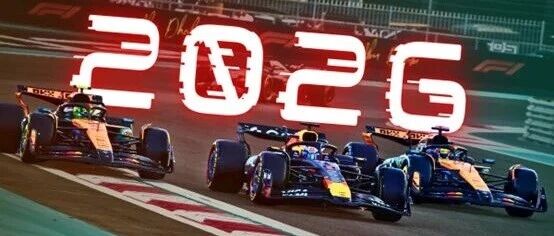
车手骂上热搜的F1,中国品牌还要烧钱吗
汽车商业评论· 2026-03-14 23:06
Core Viewpoint - The article discusses the evolution and current state of Formula 1 (F1) racing in China, highlighting the increasing popularity and changes in race dynamics due to new regulations introduced for the 2026 season [3][20]. Group 1: F1 Popularity in China - F1's popularity in China has significantly increased since its introduction in 2004, with ticket sales improving dramatically, especially after the entry of Chinese driver Zhou Guanyu in 2024 [3][20]. - The Shanghai F1 race is expected to attract around 230,000 attendees this year, with 14% being international spectators and 74% from other provinces [3]. Group 2: New Regulations and Race Dynamics - The 2026 season introduces a new power unit where electric energy will account for 50% of the power output, along with a significant enhancement in energy recovery systems [7]. - The new rules have led to a more dynamic racing experience, with the Australian Grand Prix witnessing 120 overtakes compared to 45 in the previous year, indicating a more competitive environment [5][10]. Group 3: Driver Reactions to New Rules - Drivers have expressed mixed feelings about the new regulations, with some praising the excitement while others criticize the complexity and energy management required [11][15]. - Max Verstappen described the new rules as chaotic and not in line with traditional F1 racing, emphasizing the need for a balance between excitement and the essence of racing [11][18]. Group 4: Financial Barriers for Chinese Brands - Entering F1 is financially demanding, with new teams facing costs upwards of $200 million just to join, alongside ongoing operational costs that can exceed $300 million annually [25][27]. - Despite the high costs, there is a growing interest among Chinese brands to participate in F1, as it offers significant marketing and technological benefits [29][41]. Group 5: F1's Global Expansion and Cultural Impact - F1 is gaining traction in the U.S., aided by popular media representations and partnerships, such as Apple's exclusive broadcasting deal, which has increased viewership significantly [34][35]. - The cultural relevance of F1 is expanding, with brands like Ford and Cadillac leveraging the sport for marketing, indicating a shift in how automotive companies engage with consumers [39][40].

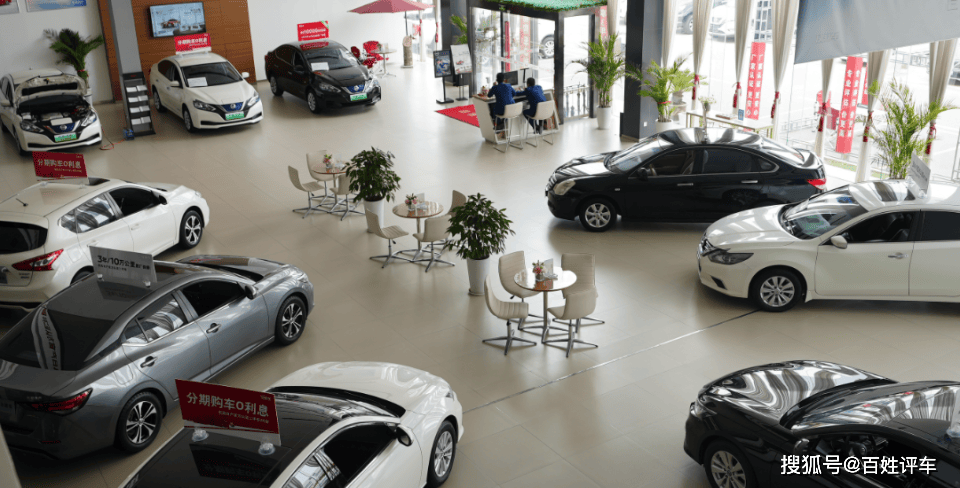
年终变淡季,2026年初4S店冷清到销售提前过年
Sou Hu Cai Jing· 2026-01-28 06:30
Core Viewpoint - The automotive dealership industry is experiencing a significant downturn, characterized by reduced customer traffic and sales, primarily due to policy changes, high inventory pressure, and evolving consumer demands [1][3][16] Group 1: Market Conditions - The end of 2025 and the beginning of 2026 saw a net reduction of 1,480 dealerships in China, with 2,749 stores closing [3] - In the first half of January 2026, dealer customer traffic dropped by 22.6% compared to late December 2025, and order volume plummeted by 54.1% [4][3] - The inventory of passenger vehicles surged to 3.65 million units by the end of 2025, with a turnover period of 66 days, significantly exceeding the healthy international range [6] Group 2: Profitability Challenges - The shift in policy regarding the new energy vehicle purchase tax has led to a demand imbalance, causing dealers to lose motivation to push sales and opt for a "winter retreat" strategy [4] - By the end of 2025, 74.4% of dealers faced price inversion issues, with 43.6% experiencing a price drop exceeding 15% [8] - Dealers are forced to reduce prices to clear inventory, with significant discounts on models like the BMW i7 and Cadillac CT5, but these actions often lack support from manufacturers [8] Group 3: Structural Changes in the Industry - The traditional dealership model is facing a crisis due to deep changes in channel strategies and shifts in consumer preferences [9] - New energy brands are adopting "light models" that reduce operational costs and enhance efficiency, posing a competitive threat to traditional dealerships [11] - The penetration rate of new energy vehicles in lower-tier markets reached 42% in 2025, expected to rise to 45% in 2026, highlighting a missed opportunity for traditional dealerships [15] Group 4: Consumer Behavior Shifts - New energy brands are establishing showrooms in key commercial areas and communities, significantly increasing customer traffic compared to traditional dealerships [13] - The younger consumer demographic prioritizes price transparency and digital experiences, which traditional dealerships struggle to provide [13] - By 2025, 65% of car-buying decisions considered channel service quality as a top factor, indicating a shift in consumer expectations [13] Group 5: Future Outlook - The current downturn in traditional dealerships is seen as a wake-up call for the industry, emphasizing the need for adaptation to new market realities [16] - To survive, traditional dealerships must develop robust profit models, enhance service quality, and explore new growth opportunities in the evolving automotive landscape [16]
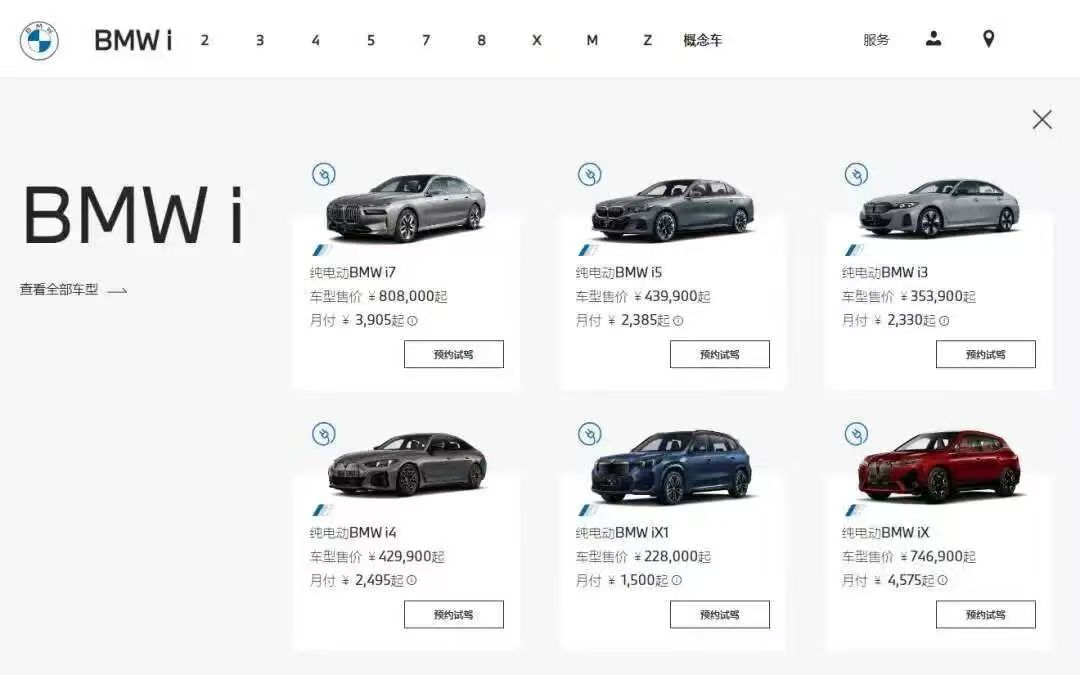
宝马狂降30万元、特斯拉推5年0息政策
Mei Ri Shang Bao· 2026-01-07 23:00
Core Viewpoint - The automotive market is experiencing intensified competition as luxury brands initiate significant price reductions and promotional strategies to boost sales in 2026, with a focus on both traditional luxury and new energy vehicles [1][2]. Group 1: Traditional Luxury Brands - BMW has announced price cuts on 31 models, with reductions reaching up to 301,000 yuan, including a 20% drop on five models and a 24% drop on the iX1 eDrive25L [2][3]. - Cadillac is employing a "limited-time fixed price" strategy, offering discounts on models such as the CT5 and XT4, with reductions of up to 83,000 yuan [3]. - Other luxury brands like Volvo and Volkswagen are also participating in aggressive pricing strategies, with Volvo offering tax subsidies and Volkswagen providing significant price cuts on the Magotan [3]. Group 2: New Energy Vehicle Strategies - Tesla is focusing on financial incentives, offering low down payments and interest-free financing options for its Model 3 and Model Y, enhancing affordability for consumers [4]. - New energy brands like Xiaomi and NIO are enhancing customer loyalty through value-added packages, including financing options and additional features for their vehicles [4]. - Traditional domestic brands are also increasing their promotional efforts, with Chery and Wuling providing substantial subsidies and tax benefits to attract buyers [4].


车圈又开打,迈腾一口价12.99万,宝马31款车型降价,2026买车更优惠?
Jin Rong Jie· 2026-01-05 08:44
Group 1 - The core point of the article highlights the intensifying competition in the automotive industry, with multiple car manufacturers announcing price adjustments shortly after the release of the "Guidelines for Compliance with Pricing Behavior in the Automotive Industry" [1] - BMW China announced price reductions for 31 models, with the largest drop exceeding 300,000 yuan, and 24 models seeing reductions of over 10% [1] - Other manufacturers, including FAW-Volkswagen and Cadillac, also introduced significant price cuts, indicating a broader trend of price adjustments across the industry [3] Group 2 - The price cuts reflect underlying sales pressures, with BMW reporting a 11.2% year-on-year decline in deliveries in China for the first three quarters of 2025, totaling 465,400 vehicles [7] - FAW-Volkswagen aims to maintain positive growth, reporting a total sales figure of 902,066 vehicles for 2025, with a 21.2% increase in sales for the Magotan model [7] - The current price war differs from previous years as it involves joint ventures like BMW and Volkswagen rather than just domestic brands, indicating a shift in competitive dynamics [9] Group 3 - Consumers are advised to be patient and not rush into purchases, as the competition landscape is still evolving and the government subsidy for trade-ins has just begun [9] - The article warns that prolonged price wars could harm profit margins and ultimately affect product quality and after-sales service, suggesting that competition should focus on product, technology, and service improvements [12]
【联合发布】一周新车快讯(2025年5月31日-6月6日)
乘联分会· 2025-06-06 08:55
Core Viewpoint - The article provides an overview of new vehicle models set to launch in June 2025, detailing specifications, pricing, and market segments for each model [2]. Group 1: SAIC General - Cadillac CT5 - Manufacturer: SAIC General [6] - Model: Cadillac CT5, launching on June 3, 2025 [6] - Market Segment: B NB [6] - MSRP: 28.99 million CNY [6] - Engine/Transmission: 2.0T / TIP10 [6] - Dimensions: Length 4,930 mm, Width 1,883 mm, Height 1,453 mm, Wheelbase 2,947 mm [6] - Power/Torque: 174 kW / 350 N·m [6] Group 2: GAC Aion - AION Y Plus - Manufacturer: GAC Aion [14] - Model: AION Y Plus, launching on June 3, 2025 [14] - Market Segment: B NB [14] - MSRP Range: 9.98 to 12.38 million CNY [14] - Engine/Transmission: Pure electric / EVT [14] - Dimensions: Length 4,535 mm, Width 1,870 mm, Height 1,650 mm, Wheelbase 2,750 mm [14] - Power/Torque: 100 kW / 176 N·m (motor), 150 kW / 225 N·m (electric motor) [14] - Battery Capacity: 49.75 to 68.2 kWh [14] - Electric Range: 430 to 610 km (CLTC) [14] Group 3: Chery Automobile - Chery Fengyun A8 - Manufacturer: Chery Automobile [22] - Model: Chery Fengyun A8, launching on June 6, 2025 [22] - Market Segment: A NB [22] - MSRP Range: 7.99 to 9.39 million CNY [22] - Engine/Transmission: 1.5L (plug-in hybrid) / 1DHT [22] - Dimensions: Length 4,780 mm, Width 1,843 mm, Height 1,487 mm, Wheelbase 2,790 mm [22] - Power/Torque: Engine: 75 kW / 125 N·m, Electric Motor: 150 kW / 310 N·m [22] - Battery Capacity: 9.525 kWh [22] - Electric Range: 70 km (CLTC) [22]
自主、合资品牌“激战” 车企花式冲刺“6·18”
Zhong Guo Jing Ying Bao· 2025-06-05 04:23
Core Insights - The automotive market is experiencing a promotional surge ahead of the "6.18" shopping festival, with numerous brands announcing price cuts and promotional offers [1][3] - The China Automobile Industry Association has issued a statement advocating for fair competition and opposing reckless price wars, which are seen as detrimental to the industry's health [1][5] - Companies like SAIC-GM are focusing on profitability and sustainable business practices, rejecting the notion of engaging in price wars [4][6] Group 1: Promotional Activities - Multiple automotive brands, including SAIC-GM, Geely, Chery, and others, have announced significant price reductions and promotional offers since mid-May [1] - Chery has launched limited-time discounts on over 30 models, with some vehicles being offered at substantial reductions [3] - Cadillac has introduced a "one-price" sales model for its new XT4 SUV, which has led to a significant increase in sales [2] Group 2: Industry Response to Price Wars - The China Automobile Industry Association has highlighted the negative impact of price wars on normal business operations and the supply chain [5] - The Ministry of Industry and Information Technology has expressed support for the Association's stance, emphasizing the need for innovation and quality over price competition [5] - Executives from various companies, including SAIC-GM and Dongfeng Honda, have reiterated the importance of maintaining profitability and avoiding unsustainable practices [6]
车市价格波动趋稳的背后
Zhong Guo Qi Che Bao Wang· 2025-04-22 01:18
Core Insights - The number of discounted models in China's passenger car market has significantly decreased in 2025 compared to 2024, indicating a cooling trend in price competition [2][5][8] - The shift from aggressive price cuts to more rational promotional strategies reflects a broader industry transformation influenced by government policies, cost pressures, and consumer behavior [3][4][6] Group 1: Market Trends - In the first quarter of 2025, the number of discounted models dropped to 23, a 55% decrease from 51 in the same period of 2024, while retail sales of passenger cars grew by 6% [8] - The overall trend of price cuts in the passenger car market is reversing, with 227 discounted models in 2024 compared to 148 in 2023, showing a significant reduction in aggressive pricing strategies [2][5] - The luxury segment is leading the price reduction, with brands like Cadillac and Lexus offering substantial discounts, while the overall market is stabilizing due to improved consumer sentiment and government incentives [4][6] Group 2: Consumer Behavior - Consumers are becoming resistant to extreme price cuts, leading to a "wait-and-see" attitude, as evidenced by the decline in the number of discounted models despite a rise in retail sales [8][12] - The perception of value is shifting, with consumers now looking for enhanced features and benefits rather than just lower prices, prompting companies to focus on product quality and technology [9][10] Group 3: Industry Dynamics - The automotive industry is transitioning from price competition to a focus on value creation, with companies investing in technology and product enhancements rather than relying solely on price reductions [9][10][14] - Government policies, such as trade-in subsidies, are shifting the market dynamics, encouraging companies to adopt more sustainable competitive strategies [5][7] - The competitive landscape is evolving, with some companies exiting the market due to unsustainable pricing strategies, leading to a more balanced competitive environment [7][12]

