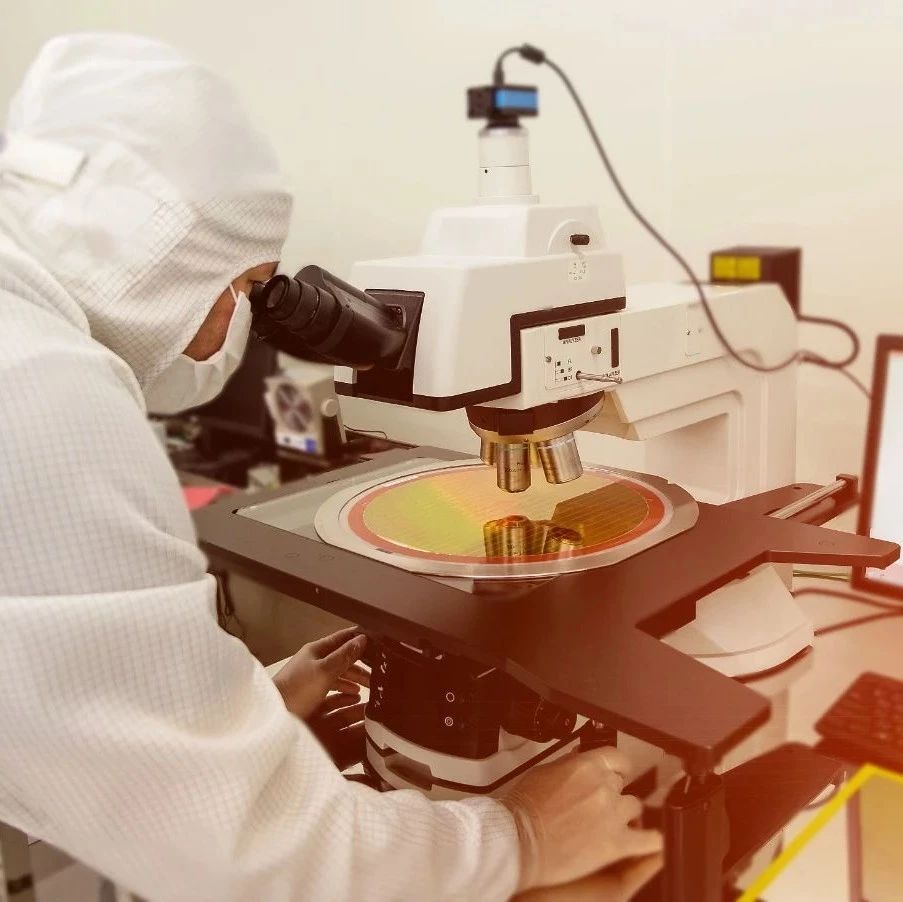
GAA结构

Search documents
日本自研2nm,首次亮相
半导体芯闻· 2025-12-24 10:19
Group 1 - Rapidus participated in the 2025 Japan Semiconductor Exhibition, showcasing prototypes of 2nm GAA transistors and 600mm RDL interposer panels produced at their R&D manufacturing center in Chitose, Hokkaido [2] - The first 2nm GAA transistor prototype was completed on June 28, 2025, and demonstrated at the exhibition, attracting significant visitor interest [2] - The 2nm GAA transistors can reduce power consumption by approximately 90% compared to 40nm planar transistors from around 2008, and by about 25% compared to 7nm FinFETs from around 2018 [2] Group 2 - In the RDL interposer manufacturing process, wiring is formed on a glass carrier, followed by the installation of bridging chips and upper layer wiring, culminating in the completion of the RDL interposer chip installation process [3] - Rapidus plans to begin mass production of front-end processes in 2027, with back-end processes expected to start in the second half of 2027 to early 2028 [3]

日本芯片大厂:Rapidus很好,我选台积电
半导体行业观察· 2025-06-24 01:24
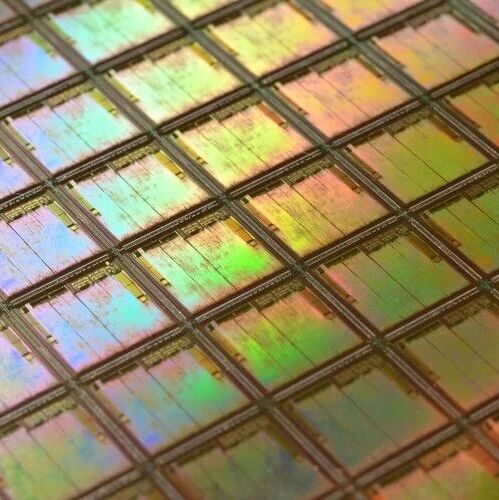
Core Viewpoint - Fujitsu's commitment to domestic production of advanced semiconductors through its investment in Rapidus is aimed at ensuring supply chain stability, particularly for AI-related technologies [1][2]. Group 1: Fujitsu's Involvement and Plans - Fujitsu plans to invest in Rapidus and is focused on procuring advanced semiconductors for AI technologies [1]. - The company is developing a CPU named "MONAKA" with a 2nm process, expected to be operational by 2027, targeting applications in AI and data centers [1]. - Fujitsu intends to outsource the manufacturing of these CPUs to TSMC, the largest semiconductor foundry [2]. Group 2: Rapidus' Technological Developments - Rapidus has entered the trial production phase for its 2nm logic chips, utilizing a novel GAA (Gate All Around) structure to achieve the required precision [3]. - The company has dispatched around 150 engineers to IBM's R&D base in New York to develop practical technologies for 2nm semiconductors [3][4]. - Rapidus is facing various technical challenges, including the development of complex 3D transistor structures and the integration of different materials [4]. Group 3: Production and Workforce - Rapidus has equipped its trial production line with over 200 advanced machines, including an EUV lithography system, which has not been mass-produced in Japan before [3][4]. - The company aims to create a new business model by integrating the development, pre-processing, and post-processing phases of chip production, which is expected to significantly shorten development cycles by two to three times [5][6]. - Rapidus employs a workforce of 700, including many experienced professionals from Japan's semiconductor industry, which is seen as a strength in overcoming current challenges [6]. Group 4: Future Aspirations - Rapidus believes that successful operations will revitalize Japan's semiconductor industry and have a global impact, as semiconductors are essential across various sectors [6]. - The company emphasizes teamwork and a shared mission to achieve meaningful and beneficial goals in semiconductor technology [7].