IOT生态

Search documents
体验消费至上,折叠屏卷向主力机|世研消费指数品牌榜Vol.89
3 6 Ke· 2025-12-08 03:07
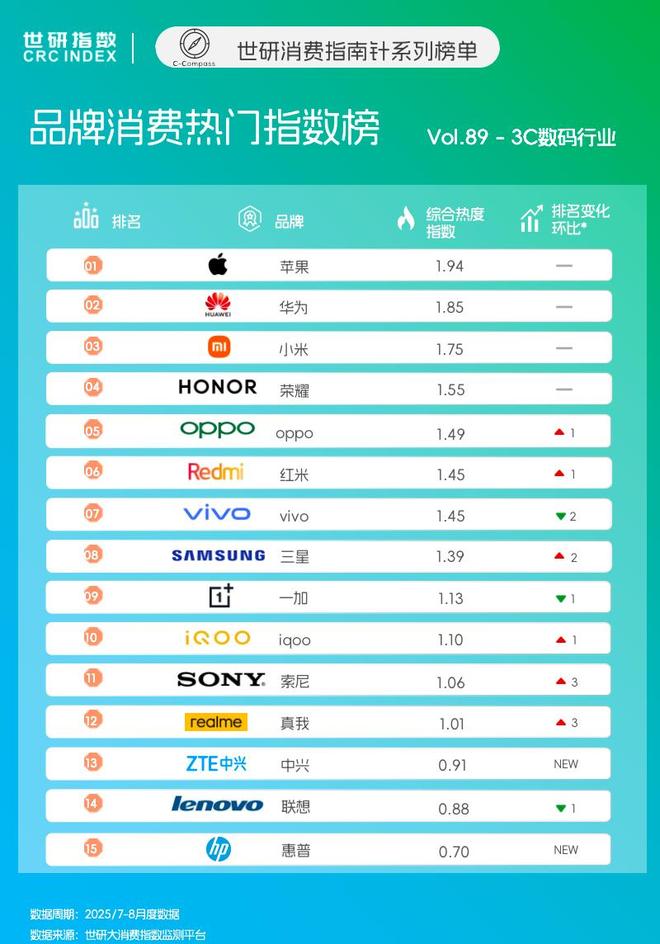
Group 1 - The 3C industry is experiencing a "downward" and "upward" strategic competition, with OPPO focusing on affordable cooling technology for budget phones, while Honor and Samsung are emphasizing lightweight foldable screens and AI integration for high-end devices [1][4][5] - In the budget segment, OPPO launched the K13 Turbo series featuring a "wind cooling engine" that enhances cooling efficiency by 120%, targeting a price point under 2000 yuan [4] - Honor's new foldable phone, Magic V5, is positioned as the thinnest and lightest in the industry, featuring advanced AI capabilities and priced starting at 8999 yuan, marking a significant step in its high-end strategy [4] Group 2 - The tablet market is evolving with Huawei's MatePad Pro 12.2, which integrates HarmonyOS 5 and focuses on professional software and AI functionalities, catering to mobile office and creative needs [6] - The wearable segment is also expanding, with iQOO launching the iQOO WATCH GT and OnePlus introducing the OnePlus Watch 3, both targeting specific niches in the market [6] - The competitive landscape is shifting towards technology experience, innovative forms, and ecosystem collaboration, moving beyond traditional parameter comparisons [1]

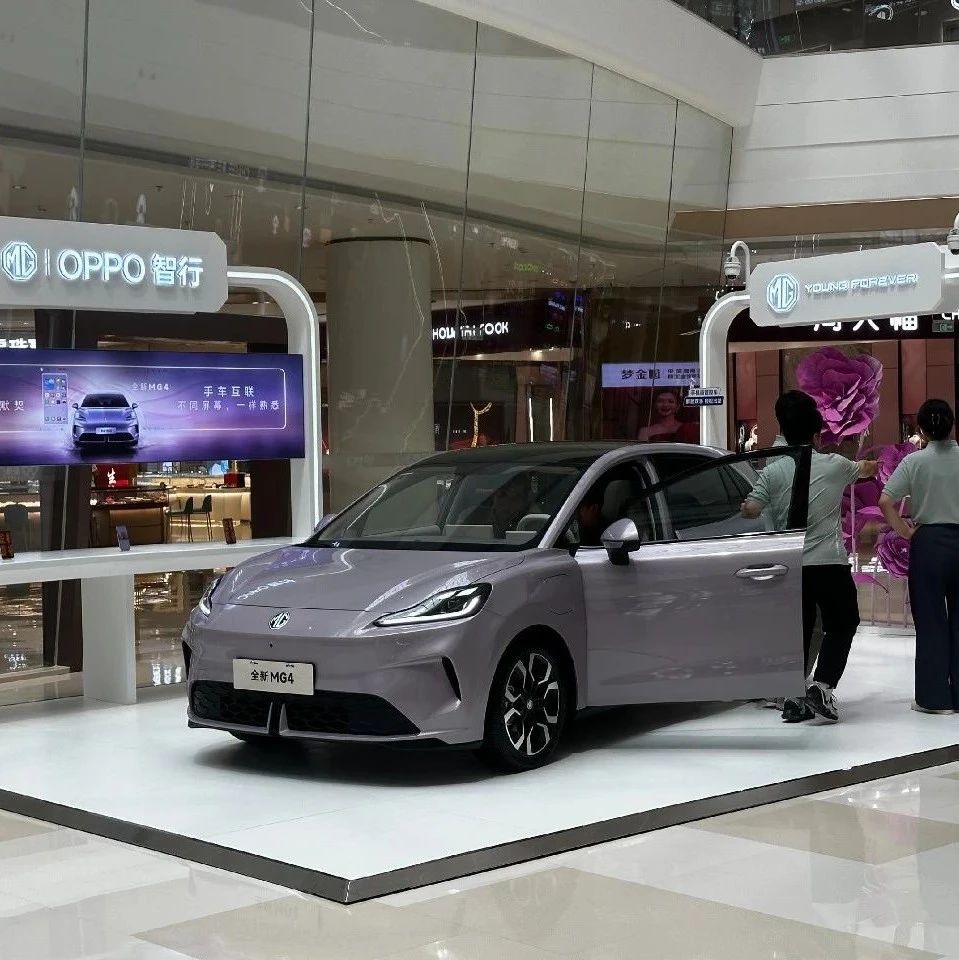
第二个华为鸿蒙智行来了?探访“OPPO智行”版MG4首批店
经济观察报· 2025-07-28 09:53
Core Viewpoint - The collaboration between SAIC's MG brand and OPPO aims to leverage each other's strengths, with MG focusing on vehicle sales and OPPO providing technological integration through its "OPPO Smart Driving" system [3][10][16]. Group 1: Product Launch and Marketing Strategy - The new MG4 is the first vehicle to utilize OPPO's "OPPO Smart Driving" system, which integrates mobile technology into the car [3][7]. - MG has opened its first seven pop-up stores, with plans to expand to over 60 cities by August, targeting both first and second-tier markets [5][6]. - The pop-up stores prominently feature OPPO branding and products, indicating a strong marketing partnership [3][6]. Group 2: Operational Dynamics - The pop-up stores are operated independently by MG staff, emphasizing MG's control over the customer experience while utilizing OPPO's technology [6][9]. - The collaboration allows MG to attract a younger demographic, particularly female consumers, by showcasing the MG4 in a modern retail environment [8][10]. Group 3: Market Context and Challenges - MG's domestic sales have been underwhelming, with retail volumes between 7,000 and 10,000 units from January to June, necessitating a shift towards electric vehicles [11][12]. - OPPO faces its own challenges in the smartphone market, with a 9% decline in shipments in Q1 2025, prompting the need for new growth avenues [12][13]. Group 4: Future Prospects and Strategic Goals - The partnership is seen as a starting point for broader collaboration, with plans to integrate OPPO's technology across various SAIC brands and products [16]. - Both companies aim to create a symbiotic relationship where MG benefits from OPPO's technological expertise and customer base, while OPPO gains access to automotive markets [10][14].