New Energy Vehicle

Search documents
BYD sales continue to plunge in February
Yahoo Finance· 2026-03-02 09:44
Group 1 - BYD Auto reported a 41% drop in global sales to 190,190 units in February 2026, following strong growth in the same month last year, due to plunging demand in its home market after the government withdrew some NEV sales incentives [1] - February marked the sixth consecutive month of decline for BYD, with global sales down by 30% year-on-year to 210,051 units in January, leading to a total drop of 36% in the first two months of 2026 to 400,241 units [2] - Domestic sales fell by 65% year-on-year to 89,590 vehicles in February, while exports rose by over 50% to 100,600 units, indicating a strategic shift towards global markets [3] Group 2 - In response to declining domestic sales, BYD has introduced 'ultra-long-term' auto financing programs with repayment terms of up to eight years to attract more customers [4]

Li Auto Inc. February 2026 Delivery Update
Globenewswire· 2026-03-01 02:00
Core Viewpoint - Li Auto Inc. continues to strengthen its position in China's new energy vehicle market, achieving significant vehicle deliveries and expanding its infrastructure and product offerings [1][2][4]. Group 1: Vehicle Deliveries and Performance - In February 2026, Li Auto delivered 26,421 vehicles, bringing its cumulative deliveries to 1,594,304 as of February 28, 2026 [1]. - The company powered over 1.45 million charging sessions during the Spring Festival travel peak, with a total charging volume exceeding 42 million kWh [2]. Group 2: Infrastructure and Services - As of February 28, 2026, Li Auto operated 4,054 super charging stations with 22,447 charging stalls across China [3]. - The company has established 539 retail stores in 160 cities and 548 servicing centers in 223 cities [3]. Group 3: Product Development and Innovations - Li Auto rolled out OTA update version 8.3, enhancing the VLA Driver large model, smart cockpit, and smart electric functionality [2]. - The company plans to launch the all-new Li L9 in the second quarter of 2026, expanding its product lineup [2][4]. Group 4: Company Overview - Li Auto is a leader in the new energy vehicle market, focusing on premium smart electric vehicles and extended-range electric vehicles [4]. - The company emphasizes innovation in product, technology, and business models to provide safe and convenient services to families [4].

Tesla's China Problem Is Getting Worse — Here Are the 3 Rivals Taking Its Market Share
247Wallst· 2026-02-27 18:53
Core Insights - Tesla's market share in China's new energy vehicle (NEV) market has significantly declined, with a mere 6% in 2025, while BYD leads with 27.2% [1] - Tesla has lost its status as the world's top-selling electric vehicle manufacturer, overtaken by BYD, which sold over 2.25 million units globally in 2025, compared to Tesla's 1.64 million [1] - The competition in China's EV market is intensifying, with Geely and Changan also gaining market share, holding 12.2% and 6.2% respectively [1] Market Share Dynamics - BYD achieved a 27.2% market share in China's retail passenger NEV market in 2025, selling 3,484,525 units [1] - Geely secured a 12.2% market share with 1,564,562 units sold, reflecting an 81.3% year-over-year increase [1] - Changan Automobile captured a 6.2% market share, selling 789,141 units, which is a 26.8% increase from the previous year [1] Sales Performance - Tesla's retail NEV sales in China declined by 4.8% year-over-year in 2025, indicating a troubling trend for the company [1] - Tesla's global car sales fell nearly 9% year-over-year in 2025, while BYD's sales grew by nearly 28% [1] - The competitive landscape is shifting as local manufacturers offer affordably priced EVs, challenging Tesla's market position [1]



理想汽车:1月交付27,668辆
Ge Long Hui A P P· 2026-02-01 02:14
Core Insights - Li Auto delivered 27,668 new vehicles in January 2026, marking a significant milestone in its delivery performance [1] - As of January 31, 2026, the total cumulative delivery of Li Auto reached 1,567,883 vehicles, indicating strong growth in the company's market presence [1] Company Expansion - Li Auto has established 547 retail centers across 159 cities, enhancing its accessibility to customers nationwide [1] - The company has also set up 547 after-sales service and authorized service centers, covering 221 cities, which supports its customer service capabilities [1] Charging Infrastructure - Li Auto has deployed 3,966 Li Supercharging stations, equipped with a total of 21,945 charging piles, to facilitate electric vehicle charging for its customers [1]
年终变淡季,2026年初4S店冷清到销售提前过年
Sou Hu Cai Jing· 2026-01-28 06:30
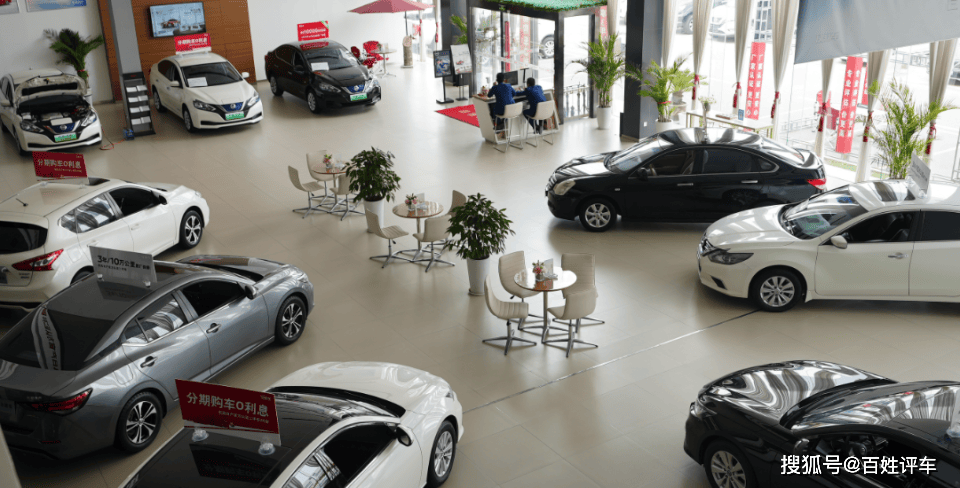
Core Viewpoint - The automotive dealership industry is experiencing a significant downturn, characterized by reduced customer traffic and sales, primarily due to policy changes, high inventory pressure, and evolving consumer demands [1][3][16] Group 1: Market Conditions - The end of 2025 and the beginning of 2026 saw a net reduction of 1,480 dealerships in China, with 2,749 stores closing [3] - In the first half of January 2026, dealer customer traffic dropped by 22.6% compared to late December 2025, and order volume plummeted by 54.1% [4][3] - The inventory of passenger vehicles surged to 3.65 million units by the end of 2025, with a turnover period of 66 days, significantly exceeding the healthy international range [6] Group 2: Profitability Challenges - The shift in policy regarding the new energy vehicle purchase tax has led to a demand imbalance, causing dealers to lose motivation to push sales and opt for a "winter retreat" strategy [4] - By the end of 2025, 74.4% of dealers faced price inversion issues, with 43.6% experiencing a price drop exceeding 15% [8] - Dealers are forced to reduce prices to clear inventory, with significant discounts on models like the BMW i7 and Cadillac CT5, but these actions often lack support from manufacturers [8] Group 3: Structural Changes in the Industry - The traditional dealership model is facing a crisis due to deep changes in channel strategies and shifts in consumer preferences [9] - New energy brands are adopting "light models" that reduce operational costs and enhance efficiency, posing a competitive threat to traditional dealerships [11] - The penetration rate of new energy vehicles in lower-tier markets reached 42% in 2025, expected to rise to 45% in 2026, highlighting a missed opportunity for traditional dealerships [15] Group 4: Consumer Behavior Shifts - New energy brands are establishing showrooms in key commercial areas and communities, significantly increasing customer traffic compared to traditional dealerships [13] - The younger consumer demographic prioritizes price transparency and digital experiences, which traditional dealerships struggle to provide [13] - By 2025, 65% of car-buying decisions considered channel service quality as a top factor, indicating a shift in consumer expectations [13] Group 5: Future Outlook - The current downturn in traditional dealerships is seen as a wake-up call for the industry, emphasizing the need for adaptation to new market realities [16] - To survive, traditional dealerships must develop robust profit models, enhance service quality, and explore new growth opportunities in the evolving automotive landscape [16]
淦家阅:2025年吉利汽车集团销量302万辆,其中新能源168.8万辆
Guo Ji Jin Rong Bao· 2026-01-22 11:57
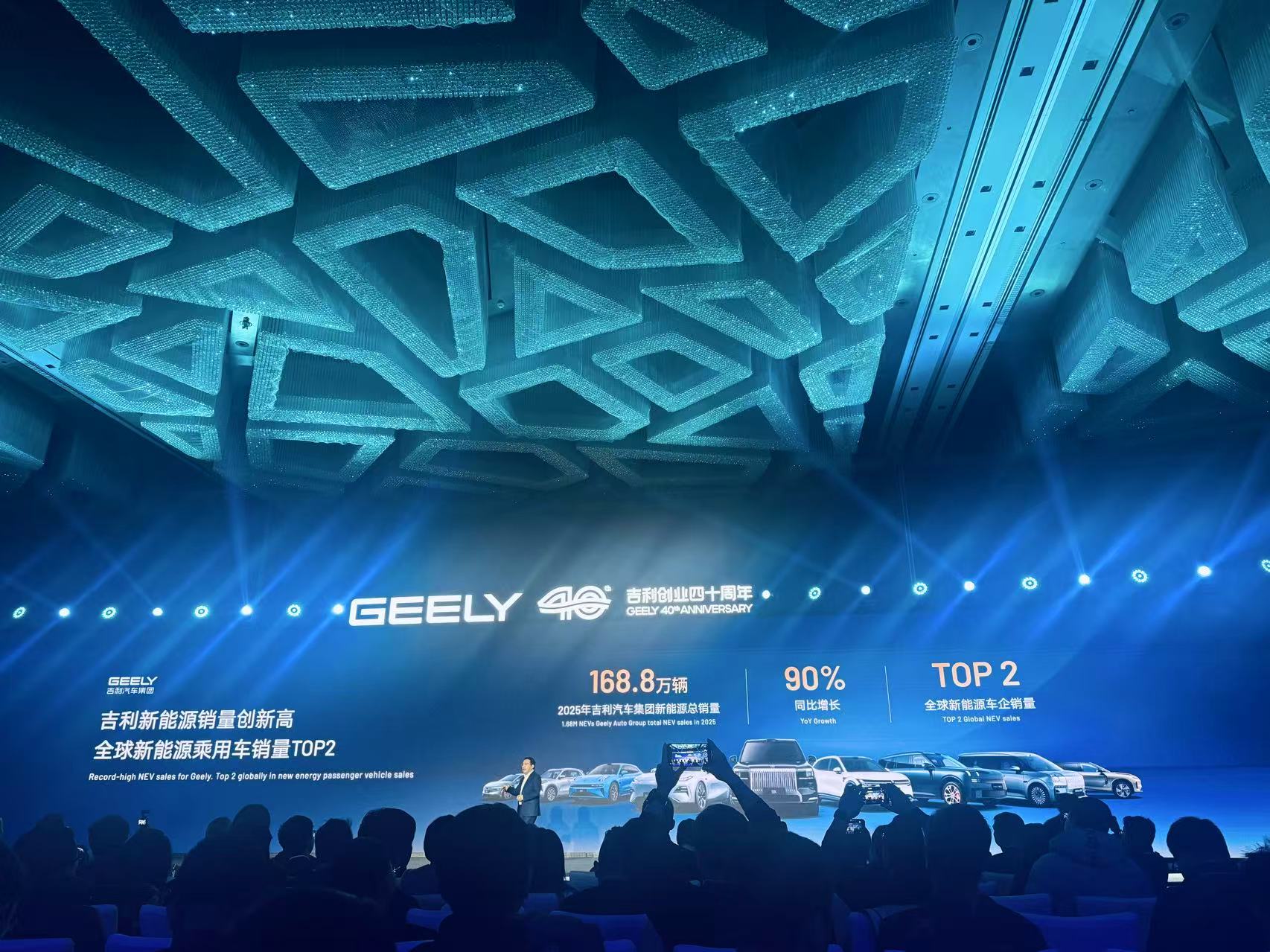
Group 1 - The core viewpoint of the article is that Geely Automobile Group aims to achieve record sales of over 3.02 million vehicles in 2025, marking a 39% increase compared to the previous year, leading the mainstream automotive industry in growth rate [1] - Among the total sales, 1.688 million units will be from new energy vehicles, positioning Geely as the second-largest seller of new energy passenger cars globally, with a remarkable year-on-year growth of 90%, also setting a new historical high for new energy sales [1]

BBA,势败如山倒
盐财经· 2026-01-18 09:17
Core Viewpoint - The traditional luxury car brands BBA (Benz, BMW, Audi) experienced significant sales declines in China in 2025, indicating a structural loss in the face of the rising dominance of domestic electric vehicle brands and changing consumer preferences [6][10][11]. Group 1: Sales Performance - In 2025, Benz, BMW, and Audi's sales in China were 57.5 million, 62.55 million, and 61.7 million units respectively, representing declines of 19%, 12.5%, and 5% year-on-year [10][11]. - The collective decline of BBA is not a short-term fluctuation but a reflection of the structural challenges posed by the rapid growth of the new energy vehicle market, which saw a penetration rate nearing 60% in 2025 [11][12]. Group 2: Market Dynamics - The market share of domestic brands rose to 65% in 2025, while retail sales of fuel vehicles plummeted by 30%, impacting BBA's traditional stronghold [11][12]. - The loyalty of BBA customers has significantly decreased, with less than 18% of previous BBA buyers indicating they would repurchase from the same brand [15][16]. Group 3: Competitive Landscape - New energy vehicle brands like AITO, Li Auto, Tesla, and Xiaomi are capturing a significant portion of the market, with a high percentage of their new customers coming from BBA [16]. - BBA's attempts to maintain market share through price reductions and new model launches may not be sufficient to reverse the trend, as consumer preferences shift towards new energy and smart vehicle technologies [13][20]. Group 4: Future Strategies - In 2026, Audi plans to launch new models on the PPE electric platform, while Benz aims to introduce 15 new vehicles, focusing on enhancing local technological capabilities [17][20]. - BMW's upcoming iX3 model, set to launch in late 2026, will feature advanced electric drive systems and local AI functionalities, which will be crucial for its competitiveness in the new energy market [19][20].

Trump to Interview BlackRock’s Rick Rieder for Fed Chair; Mercedes Sales Down 11% in Q4
Stock Market News· 2026-01-12 13:38
Automotive Sector - Mercedes-Benz Group (MBG) reported a significant 11% year-over-year decline in Q4 Group Sales, totaling 558,400 vehicles, with notable drops in key markets: sales in China decreased by 22% and in the U.S. by 19% [3][9] - Volkswagen Group (VWAGY) plans to introduce over 20 fully electric, plug-in hybrid, and range-extended models in the Chinese market by 2026, aiming to enhance its position as a New Energy Vehicle (NEV) player [4][9] Geopolitical Context - NATO Secretary General Mark Rutte reaffirmed the alliance's commitment to Ukraine's membership and emphasized the Arctic region as a critical priority for collective security among allies [5][9] Political Developments - Democratic Representative Mary Peltola announced her intention to run for a Senate seat in Alaska, marking the beginning of a closely watched political campaign [6][9]


MoonFox Data | Li Auto's Performance Plunges, BEV Transition Faces Formidable Headwinds
Globenewswire· 2026-01-09 10:00
Core Viewpoint - Li Auto reported a net loss of RMB 625 million (approximately USD 89.286 million) in Q3 2025, marking the end of 11 consecutive profitable quarters, primarily due to a recall of 11,400 vehicles [1] Financial Performance - Vehicle sales revenue in Q3 2025 was RMB 25.9 billion (approximately USD 3.7 billion), a decline of 37.4% from RMB 41.3 billion (approximately USD 5.9 billion) in Q3 2024 [2] - Total revenue for Q3 2025 was RMB 27.4 billion (approximately USD 3.914 billion), down 36.2% from RMB 42.9 billion (approximately USD 6.129 billion) in Q3 2024, and down 9.5% quarter-over-quarter from RMB 30.2 billion (approximately USD 4.314 billion) in Q2 2025 [3] - Total deliveries were 93,211 units, reflecting a 39.0% year-over-year decrease [2] Market Challenges - Li Auto is expected to face a continued decline in Q4 2025, with projected vehicle deliveries between 100,000 to 110,000 units, representing a year-over-year decrease of 37.0% to 30.7% [5] - The company is experiencing intensified competition in the new energy vehicle market, with rivals like Tesla and NIO having established significant advantages [6][7] - Li Auto's transition to battery electric vehicles (BEVs) is lagging, and the company must enhance its production capacity and technology deployment to remain competitive [8] Production and Supply Chain Issues - New BEV models i6 and i8 have received positive market responses, with orders exceeding 100,000 units; however, supply chain challenges have limited their deliveries to only 18% of total deliveries in Q3 [9] - Li Auto is attempting to increase production capacity through a dual-supplier system but faces urgent supply chain stability issues [9] Strategic Expansion and Consumer Engagement - Despite challenges in its core vehicle business, Li Auto has begun diversifying into new lines, launching AI smart glasses, although market response has been lukewarm [10][11] - Li Auto's app user engagement remains high, indicating a strong core consumer base, which is crucial for any potential turnaround [12] Q4 Outlook - For Q4 2025, revenue is forecasted at RMB 26.5 billion (approximately USD 3.786 billion), representing a 40% year-over-year decline [14]

MoonFox Data | Li Auto's Performance Plunges, BEV Transition Faces Formidable Headwinds - Aurora Mobile (NASDAQ:JG), Li Auto (NASDAQ:LI)
Benzinga· 2026-01-09 10:00
Core Viewpoint - Li Auto reported a net loss of RMB 625 million (approximately USD 89.286 million) in Q3 2025, marking the end of 11 consecutive profitable quarters, primarily due to a recall of 11,400 vehicles [1] Financial Performance - Vehicle sales revenue in Q3 2025 was RMB 25.9 billion (approximately USD 3.7 billion), a decline of 37.4% from RMB 41.3 billion (approximately USD 5.9 billion) in Q3 2024; total deliveries were 93,211 units, down 39.0% YoY [2] - Total revenue for Q3 2025 was RMB 27.4 billion (approximately USD 3.914 billion), down 36.2% from RMB 42.9 billion (approximately USD 6.129 billion) in Q3 2024, and down 9.5% QoQ from RMB 30.2 billion (approximately USD 4.314 billion) in Q2 2025 [3] - The projected vehicle deliveries for Q4 2025 are between 100,000 to 110,000 units, representing a YoY decrease of 37.0% to 30.7% [5] Competitive Landscape - Li Auto faces intensified competition in the new energy vehicle market, particularly from brands like AITO and Deepal in the EREV segment, and Tesla and NIO in the BEV segment, which have established significant advantages [6][7] - The company must accelerate its transition to BEVs and enhance its production capacity to remain competitive [8] Production Challenges - Despite strong market response to newly launched BEV models i6 and i8, supply chain challenges have limited their deliveries to only 18% of total deliveries in Q3 [9] - Li Auto is attempting to increase production capacity through a dual-supplier system but faces urgent supply chain stability issues [9] Strategic Expansion - Li Auto has begun diversifying into new business lines, launching divisions for "Space Robotics" and "Wearable Robotics," and introduced AI smart glasses priced at RMB 1,999 (approximately USD 285.57), though market response has been lukewarm [10][11] Consumer Engagement - Despite declining deliveries, Li Auto maintains high app user engagement, indicating a strong core consumer base that could support future recovery [12] Future Outlook - For Q4 2025, revenue is forecasted at RMB 26.5 billion (approximately USD 3.786 billion), reflecting a 40% YoY decline, with ongoing challenges expected in the near term [13][14]