
OCI策略

Search documents
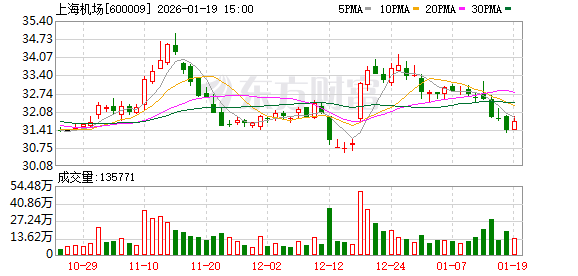
2026年险资落下“首子”:太保资产举牌上海机场
2 1 Shi Ji Jing Ji Bao Dao· 2026-01-19 09:45
Core Viewpoint - Insurance capital has begun to actively participate in equity investments, with the first significant move in 2026 being the acquisition of shares in Shanghai Airport by Taiping Asset Management, marking a continuation of the trend of insurance capital increasing its stake in high-dividend sectors [2][3]. Group 1: Insurance Capital Movements - On January 9, 2026, Taiping Asset Management increased its stake in Shanghai Airport from 2.09% to 5%, acquiring 72.424 million A-shares through block trading [3]. - The total number of insurance capital acquisitions reached 41 in 2025, more than doubling from 20 in 2024, marking the second-highest annual total in history [2][6]. - The trend of insurance capital acquiring stakes is expected to continue, particularly in sectors like banking and public utilities that offer high dividends [2][6]. Group 2: Investment Rationale - Shanghai Airport's monopoly advantage and strong cash flow align with insurance capital's preference for stable, income-generating assets in a low-interest-rate environment [3][4]. - The investment strategy of insurance capital is increasingly driven by the OCI (Other Comprehensive Income) approach, focusing on stable dividend yields rather than short-term capital gains [7]. - Analysts suggest that the preference for high-dividend stocks is a response to declining yields in traditional fixed-income assets, making stable cash flow assets more attractive [4][7]. Group 3: Market Trends and Future Outlook - The ongoing low-interest-rate environment is expected to sustain the demand for high-dividend stocks, with insurance capital actively seeking opportunities in this area [8]. - The energy sector, particularly companies like Chenzhou International, is gaining attention due to innovative operational models and cost advantages in maintenance services [8][9]. - The overall trend indicates that insurance capital will continue to focus on sectors with strong dividend yields and stable cash flows, providing a stabilizing influence in the capital markets [5][8].


“长钱”叙事下的险资
Shang Hai Zheng Quan Bao· 2025-12-26 02:01
Group 1 - The core narrative of insurance capital is shifting towards "long money," characterized by more precise asset-liability matching, diversified investment channels, and extended investment horizons, which are expected to persist for a long time [1] - Regulatory policies are guiding this shift by loosening restrictions on insurance capital investments, encouraging long-term investments in the capital market [2][6] - As of Q3 2025, the balance of stock investments for life and property insurance companies has increased by approximately 50% and 30% respectively compared to the beginning of the year [2] Group 2 - Insurance capital is increasingly focusing on gold investments as a new area of interest, with the wealth storage function of gold regaining importance amid global macro uncertainties [3] - The OCI strategy, which emphasizes long-term dividend returns over short-term price differences, has led to a record number of approximately 40 equity stakes taken by insurance capital this year [4] - The new "National Nine Articles" has transformed dividend requirements from regulatory guidance to rigid constraints, enhancing the market environment for stable dividend targets [4] Group 3 - Long-term investment philosophy is becoming a core criterion for talent selection within insurance institutions, emphasizing the importance of a shared long-term investment vision among team members [5] - The investment strategy is evolving from a generic approach to a more refined asset-liability matching strategy, necessitated by changes in liability characteristics and the development of floating yield products [6][7] - A dynamic asset-liability matching mechanism is being established to adapt to the characteristics of floating yield products and market conditions, ensuring investment returns effectively cover liability costs [7]


“长钱”叙事下的险资
Shang Hai Zheng Quan Bao· 2025-12-25 18:50
Core Viewpoint - The insurance capital sector is experiencing a new narrative of "long money," characterized by more precise asset-liability matching, diversified investment channels, and extended investment horizons, driven by regulatory policies and asset allocation needs [1][2]. Regulatory Relaxation - Since 2025, regulatory authorities have been easing restrictions on insurance capital investments, increasing equity asset investment ratios, lowering stock investment risk factors, and expanding long-term investment trials, encouraging insurance capital to adopt a "long money long investment" approach [2]. - As of the end of Q3 2025, the stock investment balances for life insurance and property insurance companies grew approximately 50% and 30% respectively compared to the beginning of the year [2]. - Multiple insurance institutions have actively established private equity funds, with a total amount exceeding 100 billion yuan, indicating a shift towards long-term investment strategies [2]. Long-term Investment Strategy - In 2025, insurance capital institutions have significantly increased their stakes in listed companies, with approximately 40 instances of stake acquisitions, the highest since 2016 [3]. - The OCI (Other Comprehensive Income) strategy is being adopted, focusing on stable dividend income rather than short-term price differences, indicating a longer holding period for assets [3]. - The emphasis on long-term dividend returns is reinforced by new accounting standards and regulatory requirements, which have transformed the investment focus from short-term gains to sustainable income [3]. Talent Selection and Long-term Philosophy - Long-term investment philosophy has become a core criterion for talent selection within insurance institutions, with a consensus among leaders to build stable teams aligned with these values [4]. Enhanced Asset-Liability Matching - The investment strategy is shifting from generic allocation to more refined asset-liability matching, driven by changes in liability characteristics and the need for diversified asset configurations [5][6]. - Insurance companies are increasingly developing floating yield products to alleviate rigid cost pressures on the liability side, necessitating more precise asset allocation to meet future dividend requirements [6]. - A dynamic asset-liability matching mechanism is being established to adjust asset and liability structures based on market conditions and product characteristics, ensuring investment returns effectively cover liability costs [6].
保险资产配置交流
2025-11-19 01:47
Summary of Insurance Asset Allocation Conference Call Industry Overview - The insurance industry is experiencing a significant shift in asset allocation, with a notable increase in equity investments. The overall allocation in stocks, funds, and long-term equity investments has reached 23%, approaching the regulatory limit of 30% [1][3]. Key Insights Asset Allocation Trends - Leading insurance companies have a secondary equity allocation ratio between 10% and 15%, with some aggressive firms nearing 20%. Overall returns for large insurers have exceeded 20% this year [2][3]. - Smaller insurance companies show significant differentiation; while some maintain high equity positions for higher returns, many are forced to reduce their positions due to solvency pressures [1][3][5]. Future Projections - By 2026, the equity central tendency for listed insurance companies is expected to range between 14% and 17%, with a potential increase of 4-5 percentage points in large equity allocations [1][6]. - Major state-owned enterprises are expected to increase their allocation to dividend stocks and high-yield assets, potentially through private equity funds [1][4]. Investment Strategies - Companies like Ping An and Taikang are leaning towards OCI (Other Comprehensive Income) and high-dividend assets, with Ping An replacing long-term bonds with stock allocations [1][6][7]. - The investment styles of various companies differ significantly; for instance, Xinhua focuses on growth, while China Life adopts a more balanced approach [8][9]. Regulatory and Market Influences - The low interest rate environment poses challenges for insurance companies, affecting their solvency and investment strategies. Future policy adjustments may alleviate some of these pressures [19][21]. - The anticipated implementation of new accounting standards in 2026 may lead to increased demand for dividends and OCI, impacting asset allocation strategies across the industry [10][24]. Additional Considerations - The selection criteria for OCI investments are becoming stricter, focusing on high and stable dividend yields, low volatility, and strong liquidity [12][14]. - There is a growing trend towards using ETFs and external management to enhance investment capabilities, particularly in technology and healthcare sectors [13][18]. - The disparity in investment strategies between state-owned and private insurance companies reflects varying levels of market understanding and internal conditions [5][22]. Conclusion - The insurance sector is navigating a complex landscape of regulatory pressures, market dynamics, and evolving investment strategies. The focus on equity investments, particularly in high-dividend and growth sectors, is expected to continue shaping the industry's asset allocation in the coming years.