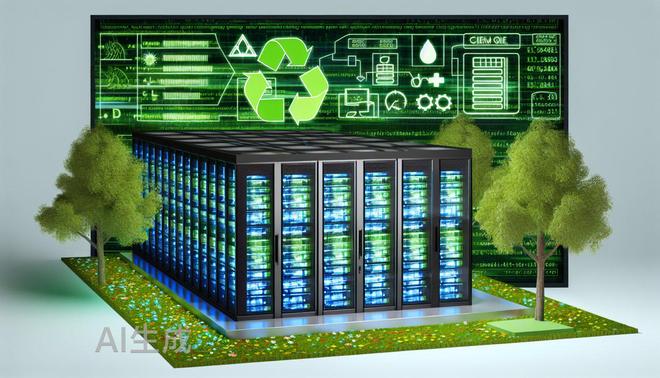
RAS理念

Search documents
华为破局智算时代:构筑RAS理念数据中心新基座
Xin Lang Cai Jing· 2025-12-26 12:26
Core Insights - The article emphasizes the importance of computing power as a core productivity driver in the era of General Artificial Intelligence (AGI), highlighting the exponential growth of AI models and the need for advanced data center solutions to meet new demands [1][13]. Industry Challenges - The rise of intelligent computing presents four major challenges for data centers: 1. Increased safety requirements due to high-density deployments, where a 10MW intelligent computing center's computing power equals over 100 traditional data centers, necessitating rapid fault response times [2][14]. 2. Accelerated IT evolution leading to compatibility issues, with server and cabinet power increasing from 8kW-10kW to over 600kW, risking obsolescence of traditional infrastructure [2][15]. 3. Resource constraints, with the International Energy Agency predicting global data center electricity consumption to reach 1 trillion kWh by 2030, exacerbating supply-demand conflicts for energy, land, and water [2][15]. 4. The need for rapid deployment, with a shift from traditional 18-24 month construction cycles to a demand for 6-12 month timelines in a competitive AI landscape [2][14]. RAS Framework - Huawei Digital Energy proposes a "Standardized + Modular Distributed Architecture" to address industry pain points, focusing on energy efficiency and establishing a comprehensive security system throughout the lifecycle and across all scenarios [3][15]. - The RAS (Reliability, Agility, Sustainability) framework guides the development of intelligent computing centers, emphasizing reliability through a systematic security approach that includes product-level reliability control and AI-driven fault monitoring [3][15]. Agile and Sustainable Solutions - The company implements a "Four Transformations" strategy to enhance construction efficiency, enabling parallel construction and flexible deployment through modular designs and prefabricated production [4][16]. - Sustainability is prioritized through high-efficiency UPS systems, AI-driven energy optimization, and the promotion of green energy strategies, achieving a PUE as low as 1.12 in operational data centers [4][16]. Full-Stack Capability - Huawei's competitive edge lies in its full-stack technology capabilities, integrating hardware, cloud services, and consulting to ensure deep adaptation and efficient implementation of solutions [5][17]. - The company has established a unique model of "Source Collaboration + Cloud Verification," ensuring that infrastructure solutions align perfectly with computing needs from the planning stage [5][17]. Practical Applications - Huawei's solutions have been successfully applied across various sectors, including government, finance, and education, demonstrating significant efficiency improvements and energy savings in both new builds and upgrades [7][19]. - Notable projects include the Johor Intelligent Computing Center in Malaysia, which reduced delivery time by 50%, and the China Mobile Hohhot Data Center, achieving a PUE of 1.15 [7][20]. Future Innovations - Looking ahead, Huawei will continue to focus on core technology research and development, particularly in power electronics and cooling technologies, to innovate next-generation supply and cooling architectures [9][21]. - The company aims to build a comprehensive service system to support clients throughout the project lifecycle, enhancing collaboration with global partners to drive technological innovation and standardization [9][21].


智算浪潮下的基础设施大考——直击IDCC2025,探寻数据中心进化之路
Sou Hu Cai Jing· 2025-12-26 11:41
Core Insights - The conference held at Beijing Shougang Park on December 10, 2025, focused on the urgent need for data centers to undergo systemic upgrades due to the exponential rise in computing power demand driven by artificial intelligence (AI) [1][2] Group 1: Industry Challenges - The rise of intelligent computing presents three main pressures on data centers: the contradiction between density and security, the competition of speed and cycle, and the risks of evolution and lock-in [4] - A 10MW intelligent computing center can carry over 100 times the computing power of a traditional data center, while fault response times have been compressed from minutes to seconds [4] - The construction cycle for data centers has been reduced from 18-24 months to 6-12 months, which traditional construction methods cannot accommodate [4][5] Group 2: Proposed Solutions - Huawei's RAS framework integrates reliability, agility, and sustainability as a comprehensive construction philosophy to address systemic challenges [6] - The concept of "minimum fault domain" aims to contain potential faults within the smallest unit, preventing localized issues from escalating into systemic disasters [6] - The agile approach involves modularization and prefabrication to reduce construction time by over 60% while ensuring quality [6] Group 3: Technological Innovations - Huawei emphasizes the importance of end-to-end collaboration and verification capabilities, distinguishing itself from competitors by offering a full-stack solution from hardware to cloud services [8] - The company has developed AI data center standard reference designs that are tailored to various scenarios, ensuring deep collaboration and validation [8] Group 4: Practical Applications - Huawei's solutions have been successfully implemented in various projects, such as achieving a PUE of below 1.2 in the Qingyang Data Center and a PUE as low as 1.12 in its Gui'an Data Center [9] - The company has also demonstrated rapid deployment capabilities, reducing project timelines by 50% in international markets like Malaysia [9] - For existing data centers, Huawei offers a "precise injection" approach to upgrade to AI capabilities, significantly shortening delivery cycles [10] Group 5: Future Outlook - The role of infrastructure is shifting from static "machine rooms" to dynamic "productivity engines," with reliability, agility, and energy efficiency directly impacting computing output efficiency and costs [10] - Huawei's RAS philosophy and full-stack capabilities aim to provide a systematic methodology and toolbox for the profound transformation of the industry [10]
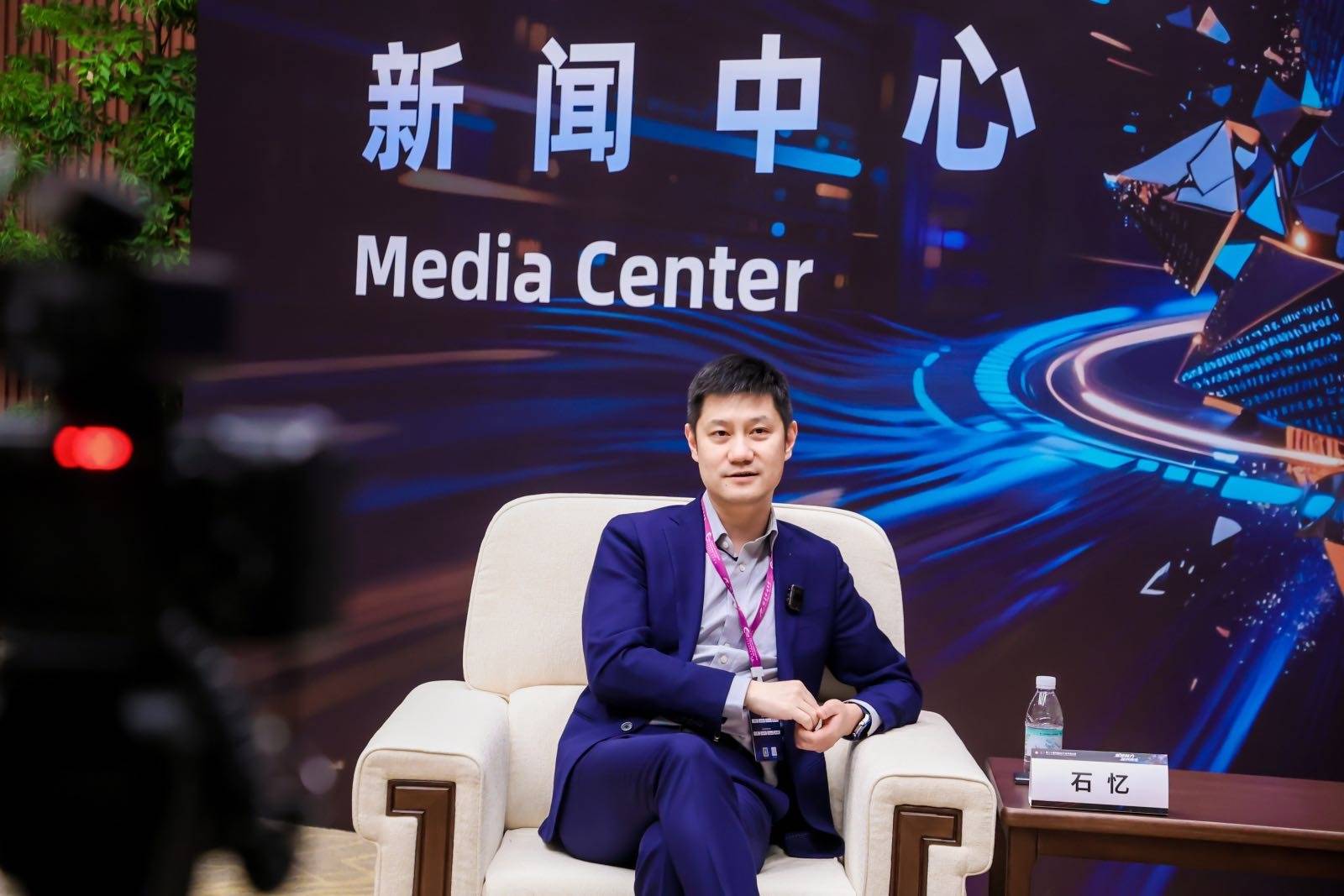
算力奔涌,可靠先行:华为数字能源以RAS理念引领智算基建升级
Sou Hu Cai Jing· 2025-10-29 22:23
Core Insights - The rapid penetration of AI large models across various industries presents both opportunities and challenges, particularly in the construction of intelligent computing centers [1] - Traditional data center construction methods are becoming inadequate, necessitating a shift towards standardized and modular distributed architectures [1][3] - Huawei's RAS (Reliable, Agile, Sustainable) concept addresses the industry's transformation needs and is being implemented in benchmark projects like the National Meteorological Administration [1][8] Group 1: Security and Reliability - The security value of data centers has reached new heights, with AI cluster power density increasing to 20-50 kW, potentially reaching 200 kW [2] - A 10 MW intelligent computing center can deliver computing power equivalent to hundreds of traditional data centers, making security a core competitive advantage [2] - Huawei has developed a comprehensive lifecycle security system covering product, architecture, intelligence, and operations [2] Group 2: Agile and Modular Construction - The construction cycle for data centers has shortened from 18-24 months to a demand for 6-12 months, necessitating a modular approach [3] - Huawei's modular technology enables flexible deployment and rapid iteration, focusing on subsystem decoupling, functional modularization, prefabrication, and high-density integration [3] - The Huawei Cloud (Wuhu) data center project exemplifies this approach, completing delivery in just three months [3] Group 3: Green and Low-Carbon Initiatives - Data centers must meet increasing computing power demands while also addressing low-carbon development responsibilities [6] - Huawei's UPS systems achieve up to 99.1% efficiency, and the company promotes the integration of air and liquid cooling technologies [6] - The National Meteorological Administration project showcases Huawei's green solutions, achieving a PUE value below 1.3 while supporting high-density computing [6] Group 4: Ecosystem Collaboration - Huawei aims to drive high-quality industry development through technology output and ecosystem collaboration, rather than operating in isolation [7] - The future of data centers will see a shift from being mere power suppliers to value creators, emphasizing technological innovation and ecosystem synergy [7] - Huawei's end-to-end capabilities allow for precise matching of power, cooling solutions, and computing needs, enhancing operational efficiency [7] Group 5: Energy as a Strategic Resource - The demand for electricity in data centers is escalating, with the industry entering the "gigawatt era" [8] - Huawei's goal is to create a secure, agile, and green foundation for intelligent computing, ensuring efficient conversion of electricity into computing power [8] - The company's RAS concept is reshaping the development landscape of intelligent computing centers, supporting initiatives like the "East Data West Computing" strategy and carbon neutrality goals [8]
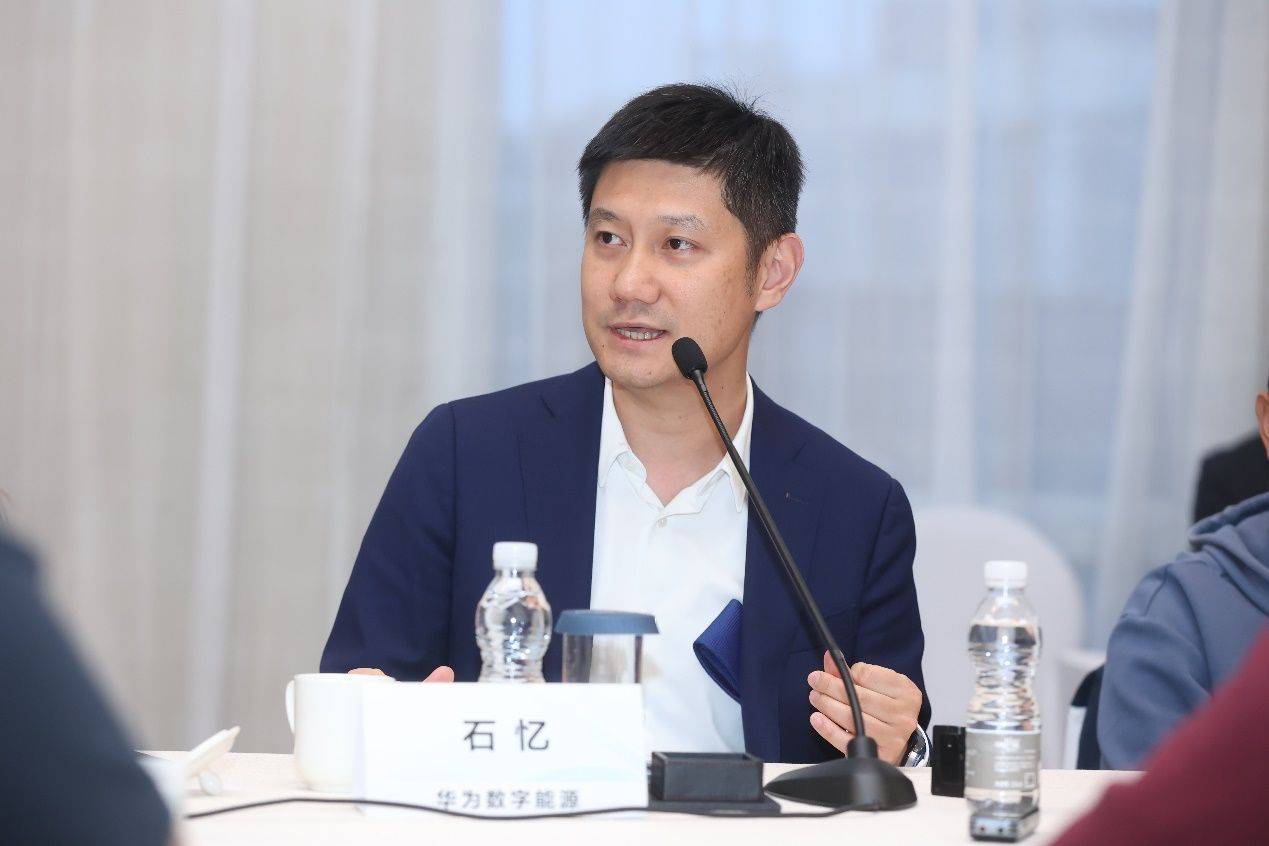
百万倍算力增长的背后,AIDC如何建设才能“跟上需求”?
Tai Mei Ti A P P· 2025-10-29 05:27
Group 1: Core Insights - The development of AI models is transforming AI agents from execution tools to decision-making partners, driving an industrial revolution, with total computing power expected to increase by 100,000 times by 2035 [2] - The demand for computing power is surging, with China's daily token consumption projected to grow from 100 billion at the beginning of 2024 to 30 trillion by June 2024, reflecting a 300-fold increase [3] - AI applications are entering a phase of large-scale explosion, with public cloud model invocation in China expected to rise from 114 trillion tokens in 2024 to 536.7 trillion in the first half of 2025 [3] Group 2: Infrastructure Challenges - The surge in computing power demand is challenging existing data center infrastructure, which must evolve to meet the needs of AI applications [3][4] - Traditional data centers are unable to meet the requirements of intelligent computing centers (AIDC), necessitating disruptive innovations in computing architecture, materials, and engineering processes [3][4] - The construction of data centers faces challenges related to safety, resilience, high power, and energy consumption, with a need for proactive measures to ensure continuous power supply [4][5] Group 3: Safety and Reliability - Safety is a critical concern for AIDC, as any failure can lead to significant losses and jeopardize a company's competitive edge in AI [5][8] - AIDC requires a comprehensive security framework that covers the entire lifecycle of data centers, moving away from traditional single-point protection [8][9] - Huawei's approach includes a four-layer protection system that ensures reliability from components to systems [8] Group 4: Flexibility and Speed - The need for flexibility in data center construction is paramount, with Huawei proposing a "four modernization" solution to reduce delivery cycles by over 60% [10][12] - Decoupling subsystems in data centers allows for parallel construction, significantly speeding up project timelines [11] - Modular and prefabricated designs are becoming mainstream, enabling faster deployment and reducing on-site construction efforts [12] Group 5: Sustainability and Efficiency - The shift towards green and low-carbon solutions is becoming essential for AIDC, with a focus on enhancing system efficiency rather than merely reducing total energy consumption [13][14] - Innovations in power supply and cooling systems are critical for achieving energy efficiency, with Huawei's UPS achieving an efficiency of 99.1% [14][15] - The integration of renewable energy sources and intelligent energy management is vital for the sustainable operation of data centers [15][16] Group 6: Future Outlook - The evolution of data centers towards ultra-high power, density, and scale is necessary to meet the challenges posed by AI computing demands [16] - The design philosophy is shifting from large systems to standardized and modular distributed architectures, allowing for greater adaptability to future uncertainties [16] - The AI computing wave presents both significant opportunities and challenges, necessitating a robust and professional approach to navigate the transformation [16]