RISC - V 架构

Search documents
瞄准英伟达 H20,阿里平头哥要上市
3 6 Ke· 2026-01-23 09:46
Core Viewpoint - Alibaba has decided to support its chip subsidiary, T-Head, for an independent IPO, marking a significant development in the AI chip sector after eight years of preparation [1][3]. Group 1: Market Reaction - Following the IPO news, Alibaba's stock surged over 5% in pre-market trading in the US, increasing its market value by more than 200 billion RMB in a single day [2]. - In Hong Kong, Alibaba's shares jumped approximately 4% at the market opening on January 23, becoming a market highlight [2]. Group 2: T-Head's Background - T-Head was established in 2018 through the integration of the acquired Zhongtian Micro and Alibaba's self-developed chip team, positioning it as a significant player in the AI chip market [5][6]. - The company has primarily served Alibaba's internal needs, focusing on enhancing the efficiency and cost-effectiveness of Alibaba Cloud's data centers through self-developed chips [6][8]. Group 3: Product Development - T-Head's first-generation general-purpose GPU, PPU, has been reported to match NVIDIA's H20 in performance, with specifications indicating it could outperform older models like the A100 [10][12]. - Other notable products include the Yitian 710 server CPU, which has been deployed at scale in Alibaba Cloud, and the Xuantie series, which has achieved significant market penetration through licensing [12][13]. Group 4: Competitive Landscape - T-Head occupies a unique position among domestic fabless chip companies, excelling in design capabilities but facing challenges in direct comparisons with competitors like Huawei and Baidu [13][16]. - The PPU emphasizes energy efficiency and cost-effectiveness for high-concurrency inference scenarios, contrasting with competitors that focus on large-scale training capabilities [15][16]. Group 5: IPO Challenges - T-Head's IPO journey may face hurdles due to its fabless model, which relies on external manufacturing partners, exposing it to risks associated with supply chain uncertainties [19][21]. - The AI chip market has seen inflated valuations, raising expectations for T-Head, which may lead to increased scrutiny and pressure to meet high market demands [24][25][29].


AI + 半导体黄金赛道!2025 湾芯展携手半导体行业观察共探未来
半导体行业观察· 2025-08-23 02:10
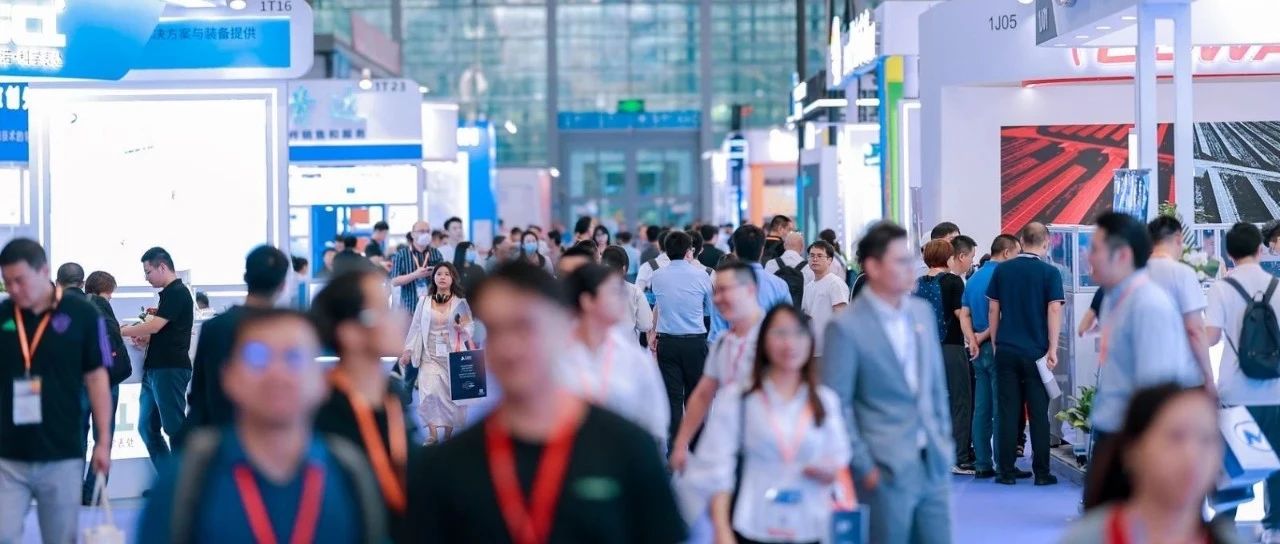
Core Viewpoint - The semiconductor industry is experiencing unprecedented growth driven by artificial intelligence, with the Bay Area Semiconductor Industry Expo (Bay Chip Expo) scheduled for October 15-17, 2025, in Shenzhen, serving as a crucial platform for industry connection and innovation [2]. Event Overview - The Bay Chip Expo will feature over 600 quality enterprises and cover an exhibition area of 60,000 square meters, focusing on integrated circuit design, wafer manufacturing, and advanced packaging [2]. - The event will include more than 20 high-level forums that will bring together policymakers, technology leaders, and capital market participants to analyze opportunities and challenges in the industry [2]. Special Highlights - A dedicated "Semiconductor Industry Observation Cooperation Client Display Area" will showcase the achievements of 15 outstanding companies, emphasizing the platform's role as a key hub in the semiconductor industry [4]. - The Semiconductor Industry Observation platform has over 910,000 subscribers and 910,000 WeChat followers, indicating its significant influence in the industry [4]. Forum and Discussions - The expo will host a forum focusing on "AI + Computing Power + Communication," discussing technological breakthroughs and collaborative models in the industry [6]. - The morning session will analyze global computing power dynamics and infrastructure, while the afternoon will focus on application innovations in AI model training and edge computing [6]. Thematic Exhibition Areas - The expo will feature four thematic exhibition areas: IC Design, Wafer Manufacturing, Advanced Packaging, and Compound Semiconductors, showcasing cutting-edge technologies and innovations across the semiconductor value chain [9]. - Each area will highlight specific technologies, such as EDA software, wafer manufacturing processes, and third-generation semiconductor materials like SiC and GaN [10][11][13]. Long-term Impact - The Bay Chip Expo aims to become a long-term platform for the semiconductor industry in the Greater Bay Area, facilitating connections and resource sharing among enterprises [13]. - The event is positioned as a significant opportunity for companies to showcase their technological capabilities and expand business collaborations in a rapidly evolving market [15].
ARM 放弃 Cortex ,警示 RISC-V 风险
是说芯语· 2025-06-02 00:50
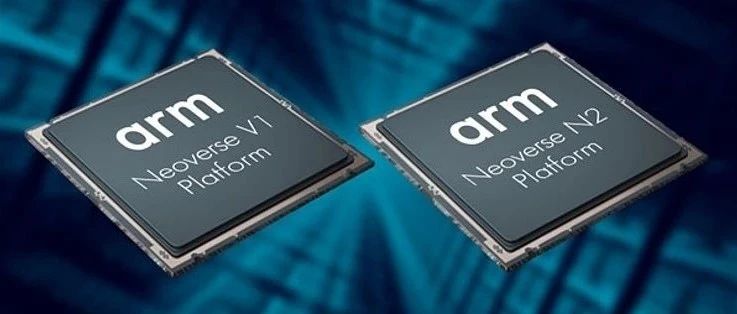
Core Viewpoint - ARM has announced a significant strategic adjustment by abandoning the long-standing Cortex brand and restructuring its product line with a new naming system, reflecting its deep insight into future market competition and concerns about the emerging RISC-V architecture as a potential threat [1][3]. Group 1: Brand and Product Line Changes - ARM's Cortex brand, known for its high recognition in the semiconductor industry, will be replaced by a new, simplified naming system to better meet the needs of different market segments and enhance competitiveness in the global chip market [1][2]. - The new product naming system categorizes Compute Subsystems (CSS) based on application areas, including Arm Neoverse for infrastructure, Arm Niva for PC, Arm Lumex for mobile, Arm Zena for automotive, and Arm Orbis for IoT, while retaining the Mali brand for GPUs [2]. Group 2: Concerns about RISC-V - ARM has issued a clear warning regarding the RISC-V architecture, which has gained attention due to its open-source nature, potentially leading customers to choose it over ARM products if its ecosystem continues to grow [3][4]. - Despite RISC-V's current limitations in advanced design support compared to ARM, its development poses a potential threat, especially as ARM raises licensing prices, making RISC-V a more cost-effective alternative for some manufacturers [4]. Group 3: Market Implications - ARM's decision to abandon the Cortex brand and restructure its product line is a crucial response to market changes and competitive challenges, aiming to enhance market adaptability and service precision [4]. - The evolving competitive landscape in the global chip design market may undergo profound changes as ARM implements its new strategy and RISC-V continues to develop [4].