
Supply - demand imbalance

Search documents
化工行业策略;价格上行、产能调整、最终销量下行_ The regional playbook for the chemical industry; Prices up, capacity adjustment, final volumes down_
2026-04-13 06:13
Summary of the Chemicals Sector Conference Call Industry Overview - The chemical industry is currently facing challenges due to the ongoing conflict in the Middle East, which has led to increased raw material and selling prices, alongside supply rebalancing [1][6] - Cyclical chemical companies are raising prices to offset higher oil and gas feedstock costs, particularly benefiting North American and European producers due to disruptions in Asia [1][6] Key Regional Insights North America - North America is positioned as a short-term beneficiary, especially for upstream commodity petrochemicals, methanol, and fertilizers, leveraging relatively cheap US natural gas [5][22] - Companies like Dow, LyondellBasell, Westlake, Methanex, and CF Industries are expected to benefit from the current market conditions [22][23] Europe - The European chemical sector is experiencing a temporary boost in prices, but this may be short-lived as higher prices could negatively impact demand [5][28] - Defensive stocks with pricing power, such as Air Liquide and Linde, are favored, while companies heavily reliant on naphtha, like Lanxess and Sinopec Shanghai Petrochemical, are advised against [2][30] Asia (China and Japan) - In China, naphtha-based producers are under pressure due to high input costs and limited availability, while coal-based producers are relatively better positioned [5][10][14] - Japan's chemical industry is highly vulnerable due to its 60-70% reliance on imported naphtha from the Middle East, with only 30-35 days of stockpiles available [17][20] - Prolonged disruptions could lead to forced shutdowns in Japan, particularly affecting semiconductor materials and coatings [20] Middle East - The Middle East remains a crucial player in global chemical supply, with companies like SABIC and Borouge operating at high capacity but facing logistical challenges due to the conflict [5][34][36] - SABIC has begun rerouting exports and is managing to maintain operations despite the complexities in logistics [34][35] Pricing and Demand Dynamics - Chemical producers have increased spot prices by approximately 50% since the onset of the conflict, but there are concerns that sustained high prices may lead to volume declines as seen in previous cycles [28][29] - Historical data indicates that after significant price increases, volumes tend to decline due to inventory destocking and weaker demand [29] Strategic Recommendations - Favor companies with access to cheaper feedstocks and those with defensive end-markets to mitigate volume risk [2][6] - Maintain a defensive stance in the European chemicals sector for the next 12 months, focusing on Consumer Chemicals and Industrial Gases [30] Conclusion - The chemical industry is navigating a complex landscape influenced by geopolitical tensions, supply chain disruptions, and fluctuating demand dynamics. Strategic positioning and careful selection of stocks will be crucial for investors in this sector moving forward [1][6][30]
3 Natural Gas Names to Watch as a Global Supply Shock Builds
Yahoo Finance· 2026-03-21 13:17
Group 1 - Oil prices are positively impacting energy stocks, while natural gas prices have decreased due to milder weather and increased storage levels [1] - Geopolitical tensions, particularly in the Strait of Hormuz, could lead to higher natural gas prices despite current lower levels [2] - Qatar's Ras Laffan plant shutdown has removed about 14% of the global monthly natural gas supply, causing a significant price increase in Europe [3] Group 2 - The Ras Laffan plant's return to operation will take weeks, raising concerns about the ability to meet global demand for natural gas and LNG [4] - Lower natural gas prices are becoming less likely, presenting potential investment opportunities in the sector [5] - Global LNG supply disruptions, especially from Qatar, are tightening markets and could lead to higher natural gas prices in 2026 [6]
IEA: Largest Oil Disruption in History. What It Means for Silver
Investorideas.com· 2026-03-13 18:00
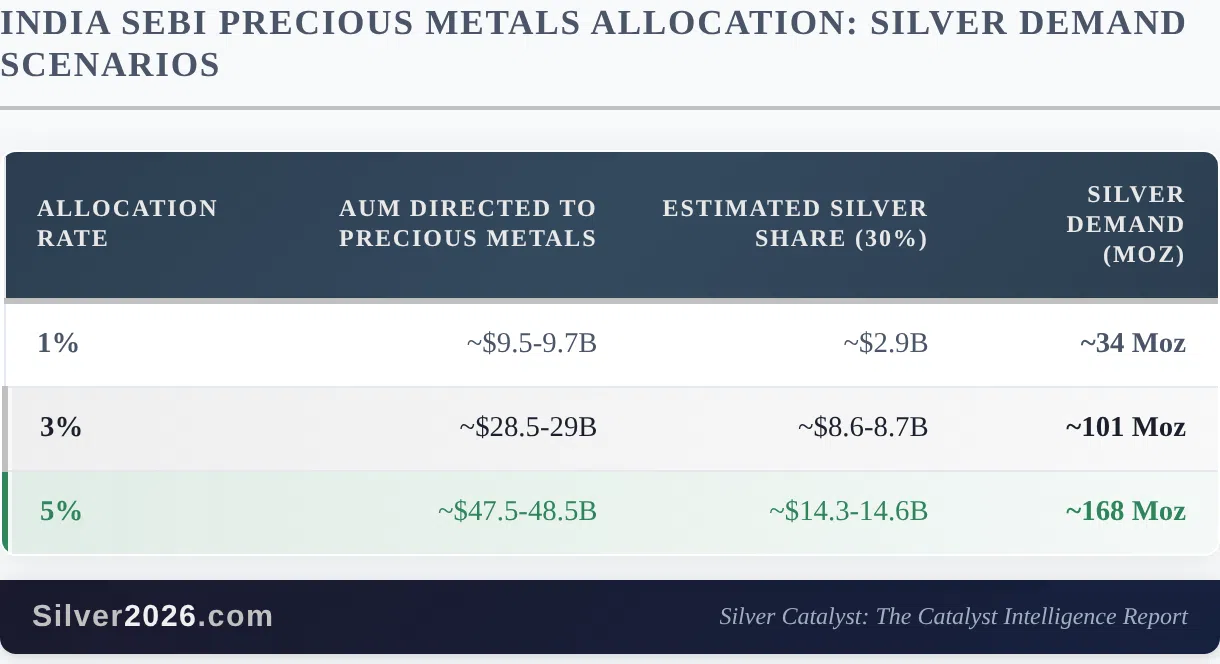
Core Insights - The oil market is experiencing significant disruptions, with Brent crude prices surpassing $100 per barrel due to geopolitical tensions, particularly the Iran war, leading to the largest supply disruption in history [2][18] - India's SEBI reforms are set to open a substantial institutional investment channel for precious metals, potentially directing up to $970 billion into gold and silver ETFs, which could significantly impact silver demand [6][28] - The U.S. economy is facing stagflation, characterized by job losses and rising inflation, complicating the Federal Reserve's ability to respond effectively [11][26] Oil Market Dynamics - Brent crude closed above $100 per barrel for the first time since August 2022, following Iran's declaration regarding the Strait of Hormuz [2] - The International Energy Agency announced a historic release of 400 million barrels from emergency reserves, with the U.S. contributing 172 million barrels [2] - Gulf countries have cut production by at least 10 million barrels per day, exacerbating supply issues [2] Silver Market Developments - Silver is currently trading around $84, with a significant institutional demand expected from India's mutual fund industry, which manages approximately ₹81 trillion (around $970 billion) [3][7] - The SEBI reforms allow mutual funds to allocate up to 35% of assets to non-core holdings, including precious metals, with a specific activation date of April 1 [6][10] - At various allocation rates, the estimated silver demand could reach up to 20% of total global mine supply at a 5% allocation [8] Economic Indicators - The U.S. economy lost 92,000 jobs in February, with the unemployment rate rising to 4.4%, indicating a contracting labor market [11][14] - Q4 2025 GDP growth was reported at just 1.4%, with core PCE inflation at 3.0% and PPI rising by 0.5% month-over-month [12][14] - The combination of high oil prices and stagnant job growth exemplifies the conditions of stagflation, reminiscent of the economic environment of the 1970s [15][18] Mining Industry Constraints - The silver mining industry is facing significant structural constraints, including declining ore grades and a lengthy mine development timeline of approximately 15.7 years [21][24] - Major silver producers like Fresnillo PLC have reduced their production guidance, indicating a lack of responsiveness to rising prices due to geological and regulatory challenges [20][22] - The ongoing moratorium on new mining concessions in Mexico, which accounts for 25% of global silver supply, further complicates the supply situation [22][24] Future Outlook - The combination of India's SEBI reforms, the inability of the mining industry to respond to price signals, and the current stagflation environment suggests a tightening supply-demand balance for silver [26][28] - The current silver price does not yet reflect the potential impact of institutional investments or the rising costs associated with $100+ oil [28] - The structural supply-demand imbalance is expected to persist, driven by geological constraints and regulatory factors, rather than short-term price fluctuations [25][27]

Rampant AI demand for memory fuels deepening supply crunch for chips
Business· 2026-02-16 04:22
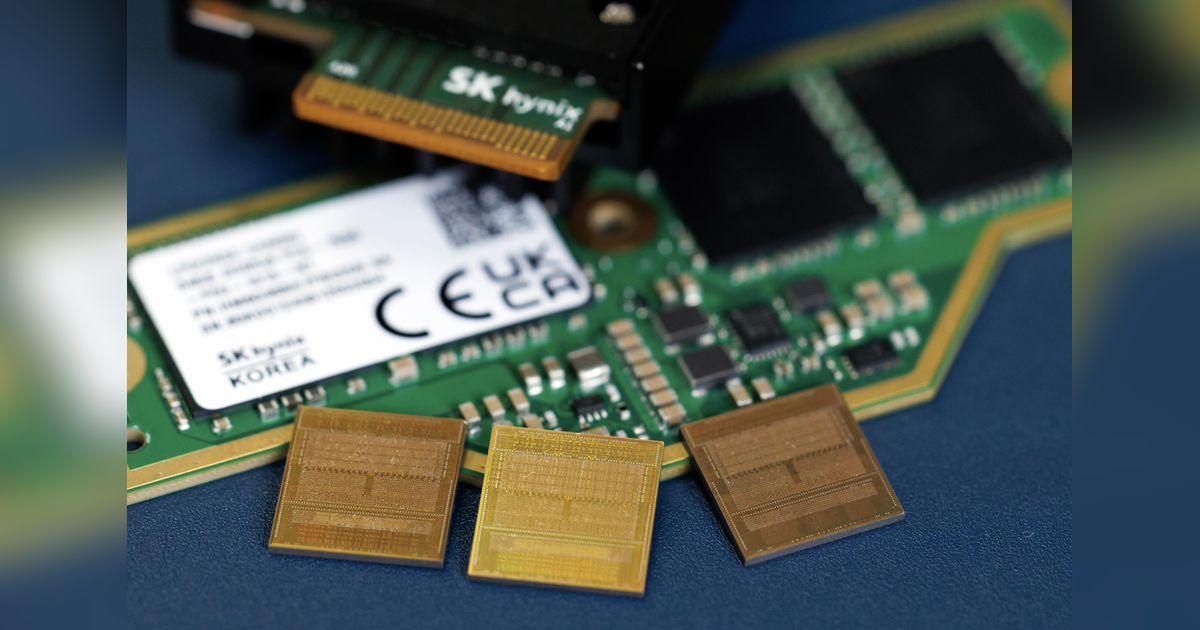
Core Viewpoint - The tech industry is facing a significant memory chip shortage that is impacting profits, production plans, and prices across various sectors, including consumer electronics and automotive [1][2]. Group 1: Industry Impact - Major corporations like Tesla and Apple have indicated that the shortage of DRAM will limit production capabilities, with Apple specifically noting a compression in iPhone margins [2]. - The memory chip supply crisis is exacerbated by the increasing demand from AI data centers, with companies like Alphabet and OpenAI consuming a large share of memory chip production [3]. - The price of DRAM has surged dramatically, with one type increasing by 75% from December to January, leading to daily price changes among retailers [4]. Group 2: Future Projections - The construction plans for AI data centers by companies like Alphabet and Amazon could reach $185 billion and $200 billion respectively, marking unprecedented capital expenditures [5]. - Analysts predict that memory chip prices will continue to rise sharply, with Micron's revenue expected to more than double in the fiscal year ending in August [21]. - Demand for high-bandwidth memory (HBM) is projected to increase by 70% year-over-year in 2026, indicating a shift in focus from standard DRAM to HBM [22]. Group 3: Corporate Strategies - Companies are adjusting their supply contracts more frequently due to the ongoing memory shortage, with some Chinese smartphone makers reducing shipment targets by as much as 20% [11]. - Cisco Systems cited the memory squeeze as a reason for a weak profit outlook, leading to significant share losses [12]. - Sony is considering delaying the launch of its next PlayStation console to 2028 or 2029 due to the memory crisis, which disrupts its strategic planning [9]. Group 4: Market Dynamics - The current memory shortage is described as a "super-cycle" of AI demand, which is fundamentally altering the traditional boom-bust cycle of the memory industry [26]. - The gap between supply and demand for DRAM is estimated at 4%, with actual imbalances likely larger due to low inventories in some sectors [23]. - The rising costs of memory chips could lead to DRAM accounting for as much as 30% of the bill of materials for low-end smartphones, tripling from 10% in early 2025 [28].


Apple CEO sends blunt message iPhone 18 fans can’t ignore
Yahoo Finance· 2026-02-01 18:47
Core Viewpoint - Apple reported strong quarterly results but CEO Tim Cook indicated a need to reset expectations due to supply constraints and rising component costs [1][4][5]. Financial Performance - Apple achieved revenue of $143.8 billion, a 16% increase year over year, and diluted EPS of $2.84, up 19% year over year, with a net income of $42.1 billion [6]. - The gross margin was reported at 48.2%, exceeding guidance, and operating cash flow reached a record $53.9 billion [6]. - Segment sales included iPhone at $85.3 billion (+23%), Services at $30.0 billion (+14%), Mac at $8.4 billion (-7%), iPad at $8.6 billion (+6%), and Wearables/Home/Accessories at $11.5 billion (-2%) [6]. Supply Chain and Component Costs - Cook highlighted that Apple is in "supply chase mode" due to advanced chip constraints and rising memory prices, which are expected to persist for several years [2][8]. - The memory market is experiencing record demand, with companies like SanDisk seeing stock increases of 1,230% in the past six months [3]. - Apple is facing challenges in balancing supply and demand, with Cook noting that demand is currently outpacing Apple's planning [7][8]. Market Outlook - For the upcoming March quarter, Apple anticipates revenue growth of 13% to 16% year over year and a gross margin between 48% and 49% [6]. - Analysts remain optimistic about Apple's stock, with average price targets suggesting significant upside potential, ranging from $280 to $330 [19]. Pricing Strategy - Apple's pricing strategy for the iPhone has historically shown resilience, with demand remaining strong even at higher price points [14][15]. - Consumer sentiment indicates that while many perceive iPhones as overpriced, a notable percentage still consider them worth the investment despite financial constraints [17].
These 2 General Electric Spin-offs Had a Banner 2025. Can It Continue?
Yahoo Finance· 2026-01-25 15:20
Company Overview - General Electric (GE) was founded in 1892 by Thomas Edison and has a long history of innovation across various sectors including hydroelectric power, aviation, energy grids, and healthcare [1][2] - The company faced significant challenges due to over-diversification and failed strategies, leading to a dramatic decline in its financial health, particularly during the Great Recession when its share price fell over 80% from 2007 to 2009 [3] Corporate Restructuring - In 2021, GE was split into three separate publicly traded companies: GE HealthCare Technologies, GE Aerospace, and GE Vernova [4] - GE HealthCare Technologies has seen a 25% increase since its spin-off in late 2022, although it has underperformed compared to the S&P 500, which rose about 75% in the same period [4] Performance of Spin-offs - GE Aerospace and GE Vernova have performed significantly better post-split, with GE Aerospace up about 100% and GE Vernova climbing 400% since their separation in April 2024 [5][6] - In 2025, GE Vernova increased by 95% and GE Aerospace rose by approximately 85%, while the broader market gained about 17% [6] Market Dynamics - GE Aerospace is positioned to benefit from a supply-demand imbalance in the aircraft industry, with commercial air travel growing over 10% from 2023 to 2024 and projected to rise by 4.2% annually through 2030 [6] - GE Vernova is recognized as a leader in power equipment, with a rapidly increasing backlog indicating strong future demand [7]


Gold, silver surge amid Trump Greenland crisis: 'The debasement trade is on fire'
Yahoo Finance· 2026-01-20 13:58
Group 1: Precious Metals Market Dynamics - Gold futures have surpassed $4,700 per ounce and silver has reached $95 per ounce, marking a series of record highs driven by geopolitical tensions and tariff threats from the U.S. [1] - The surge in precious metals is attributed to strong central bank demand, concerns over Federal Reserve independence, increased fiscal spending, and geopolitical issues such as U.S. intervention in Venezuela and tensions with Iran [2] - The recent rally in silver prices, from the low-$20 range last year to above $95, is linked to fears that global supply cannot meet industrial demand [3] Group 2: Supply and Demand Challenges - The mining industry is facing a significant supply gap, with a current deficit of around 200 million ounces of silver, despite companies like Vizsla Copper planning to produce 20 million ounces annually [5] - A structural deficit in the silver market has persisted for five years, indicating long-term supply challenges [5] - China has restricted silver exports to prioritize domestic supply for solar panel production, further exacerbating the supply constraints [6] Group 3: Market Risks and Considerations - There are concerns that high silver prices may lead to industrial demand destruction, as manufacturers may reduce purchases or seek alternatives due to increased input costs [7] - The impact of price increases on demand may not be immediate, suggesting a lag in the market's response to rising costs [7]
未知机构:航空从周期复苏到时代红利行业反内卷-20260120
未知机构· 2026-01-20 02:05
Industry Analysis: Aviation Sector Key Points Industry Overview - The aviation industry is experiencing a cyclical recovery and benefiting from a new era of growth, with a focus on countering internal competition and price wars [1][2] Pricing Dynamics - A minimum price restriction is expected to elevate the central price of tickets, although demand may face disruptions [1] - For flights under 800 kilometers, ticket prices are set to not fall below 300 yuan [1][2] Growth in Inbound Tourism - Inbound tourism is projected to offset the impact of increased tariffs on exports [2] - Since the end of 2023, there has been an expansion of visa exemptions, leading to a 52% increase in inbound foreign visitors from January to September 2025, and a 25% growth in international air passengers [3] Strategic Recommendations - The "14th Five-Year Plan" suggests expanding inbound consumption to further boost tourism [3] Aircraft Supply Constraints - The decoupling from the U.S. and supply chain disruptions are limiting aircraft production [4] - Aircraft supply is expected to grow at 4%, which is below the demand growth rate of 8%, leading to a supply-demand gap that may enhance profit margins [4] Profitability Potential - If domestic airlines can achieve a net profit margin of 7%, similar to the overseas average, the net profits of the three major airlines could exceed 10 billion yuan [4] - The disruption of aircraft supply from Russia in 2022 is anticipated to result in an 18-fold increase in airline net profits from 2019 to 2024 [4] Market Share Expansion - From 2013 to 2024, domestic airlines are expected to increase their market share in international passenger traffic from 42% to 66%, with projections of reaching 70% by November 2025 [4] - The increase in market share is attributed to lower ticket prices, with domestic airlines' international ticket prices being nearly 20% lower than foreign airlines in 2014, and nearly 40% lower in the first half of 2025 [4]
‘Murky’ outlook for reinsurance market as capital surges: Evercore ISI
ReinsuranceNe.ws· 2026-01-12 16:00
Core Insights - The global reinsurance market is facing uncertainty in 2026 due to a record influx of capital leading to a significant softening in prices, prompting analysts to describe the growth outlook as "murky" [1] Market Dynamics - The reinsurance sector is experiencing a supply-demand imbalance, with property catastrophe pricing dropping by up to 20% during the January 1 renewals, as insurance buyers regain control after years of a "hard" market [2] - A 9% increase in overall reinsurance capital in 2025 has intensified pressure on property catastrophe pricing, with Guy Carpenter reporting a 12% decline in rates-on-line and other brokers noting declines between 10% and 20% for accounts unaffected by losses [3] Pricing Trends - Property catastrophe pricing has reverted to levels last seen in 2022, with a record issuance of insurance-linked securities (ILS) in 2025, increasing the outstanding cat bond limit by 23% to $58.2 billion, indicating heightened interest in reinsurance [4] - Analysts project that with pricing down 10-20% at the January 1, 2026 renewals, the market will become increasingly competitive, leading to further declines below 2022 levels [5] Financial Projections - The loosening of terms and lower pricing may negatively impact returns in 2026, with reinsurers potentially facing worse attritional loss ratios and lower than consensus earnings per share (EPS) projections [6][7] - The casualty reinsurance market has remained stable despite ongoing reserve issues, but there are indications that the January 1, 2026 renewal was more favorable for buyers, with reinsurers pressured to increase ceding commissions [8][9] Strategic Shifts - Some reinsurers, including RenaissanceRe, Everest, and W.R. Berkley Corporation, have expressed disinterest in writing casualty reinsurance at current rates, suggesting a potential shift in focus towards property placements [10] - Analysts speculate that trading casualty for property placements may become a more significant dynamic in the coming years, although uncertainty remains regarding reserving at primary insurers [11] Growth Outlook - The overall growth outlook for reinsurers is expected to worsen, leading to reduced estimates, although increased share repurchase activity is anticipated across the sector in 2026 [12]

美光科技:管理层会议称,即便新增产能投产,供应紧张局面仍将持续至 2026 年后,支撑价格进一步走强;维持增持评级
2026-01-09 05:13
Summary of Micron Technology Conference Call Company Overview - **Company**: Micron Technology (MU) - **Industry**: Semiconductors & Semiconductor Capital Equipment / IT Hardware - **Current Price**: $339.55 (as of January 7, 2026) - **Price Target**: $350.00 (by December 2026) [2][5] Key Points and Arguments Demand and Supply Dynamics - **Improving Demand**: Management expressed a bullish outlook on the demand for DRAM and NAND, noting that customers are increasing their memory and storage requirements. This trend is evident in the GPU and XPU markets, with companies like NVIDIA (NVDA) reporting growth in their backlogs [2][3]. - **Supply Constraints**: Micron is currently limited in its ability to meet customer demand due to a lack of clean room space. However, improvements in production efficiency and yield are expected to drive at least 20% growth in bit shipments for both DRAM and NAND in CY26, although this does not fully meet the anticipated demand growth of over 30% year-over-year [2][3]. Pricing Outlook - **Pricing Strength**: The ongoing supply-demand tightness is expected to support strong pricing through at least CY26, with average DRAM pricing forecasted to increase by nearly 60% year-over-year in CY26 [2][3]. Emerging Demand Drivers - **Context Window Memory Management**: The introduction of new platforms, such as NVDA's Inference Context Window Storage, is anticipated to drive additional NAND demand as companies develop systems to manage growing context window sizes [3]. - **Physical AI and Robotics**: Management highlighted physical AI, particularly robotics, as a significant future demand driver for memory. For instance, advanced humanoid robots may require 64-128GB of DRAM and 1-2TB of NAND, indicating substantial incremental demand as these technologies scale [3]. Investment Thesis and Valuation - **Valuation Basis**: The price target of $350 is based on an estimated earnings power of $40 in CY26, applying a multiple of 8-12x, consistent with mid-late cycle P/E multiples for memory stocks [6]. - **Diversification Benefits**: Micron's increasing product and end-market diversification is expected to reduce revenue and earnings volatility, positioning the company favorably in various markets [7]. Risks to Rating and Price Target - **Market Competition**: Micron operates in highly competitive markets, making operational execution critical [7]. - **Demand Fluctuations**: A sudden decline in demand for PCs could negatively impact DRAM price recovery and memory content growth [7]. - **Supply-Demand Imbalances**: Any imbalance in DRAM and NAND supply and demand could lead to downward revisions in revenue and earnings estimates [7]. - **Macroeconomic Factors**: Economic downturns could result in lower demand for Micron's products, affecting revenue and profitability [7]. Additional Insights - **Technological Advancements**: New technologies and cost-cutting measures are expected to enhance gross margins and profitability in the upcoming quarters [7]. - **Long-Term Outlook**: The company is well-positioned to benefit from secular trends in data centers and cloud computing, which should help mitigate volatility in commodity DRAM [7]. This summary encapsulates the key insights from the conference call regarding Micron Technology's current market position, demand and supply dynamics, pricing outlook, investment thesis, and associated risks.