
TIL疗法

Search documents
Iovance 财报引爆实体瘤细胞治疗的“奇点”时刻
Mei Ri Jing Ji Xin Wen· 2026-02-26 10:04
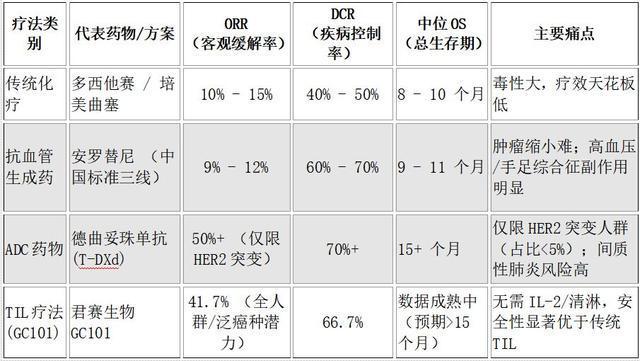
Core Insights - Iovance's Q4 2025 revenue reached $86.77 million, a quarter-over-quarter increase of approximately 30%, with gross margin improving significantly to 50%, marking a shift from "technical validation" to "large-scale commercialization" in the TIL therapy sector [1][2] - Chinese companies, represented by Junshi Biosciences, are innovating to reduce treatment costs and enhance accessibility for TIL therapies, indicating a competitive edge in the market [1][4] Financial Performance - Iovance's stock price surged by 30.8% to $3.78 on the day of the earnings report, marking the largest single-day increase in two years, with after-hours trading pushing it to $3.877 [2] - The revenue of $86.77 million exceeded analyst expectations, and the gross margin increased from 43% in Q3 to 50%, indicating improved production processes and market acceptance [2][3] Clinical Developments - The FDA granted Lifileucel fast track designation for non-small cell lung cancer, with the registration trial expected to complete patient enrollment in the first half of the year [2] - Iovance reported a 50% objective response rate (ORR) in a pilot trial for refractory soft tissue sarcoma, suggesting the TIL technology platform's potential across multiple solid tumor indications [3] Competitive Landscape - Junshi Biosciences is leading a shift in TIL therapy by developing GC101, which does not require high-intensity chemotherapy or IL-2 injections, addressing significant safety and accessibility issues [4][5] - The clinical data for GC101 shows a 41.7% ORR and a 66.7% disease control rate (DCR) in late-stage non-small cell lung cancer, positioning it as a competitive alternative to traditional therapies [6][8] Market Outlook - The period of 2026-2027 is anticipated to be a critical window for TIL therapies, with Iovance's success raising the probability of success for solid tumor cell therapies [9] - Investment strategies are shifting towards assets with confirmed data, differentiated technology, and clear commercialization paths, benefiting companies like Junshi Biosciences [10]

君赛生物亮相2026亚洲金融论坛
Guo Ji Jin Rong Bao· 2026-01-27 09:08
Group 1 - The 19th Asian Financial Forum, co-hosted by the Hong Kong SAR government and the Hong Kong Trade Development Council, introduced the "Global Industry Summit" focusing on high-growth and high-value sectors such as biomedicine and healthcare [1] - Junshi Biosciences, a key exhibitor in the biomedicine sector, showcased its technological breakthroughs, product pipeline, and commercialization prospects in the TIL (tumor-infiltrating lymphocyte) therapy field [1] - The company submitted its listing application to the Hong Kong Stock Exchange in December last year and has completed multiple financing rounds totaling nearly 800 million RMB, with a recent C round completed in November 2025, achieving a valuation of 2.137 billion RMB [1] Group 2 - Junshi Biosciences' core product, GC101, is the world's first natural TIL cell new drug that does not require high-intensity lymphodepletion chemotherapy or IL-2 administration, providing long-term benefits to patients with advanced metastatic solid tumors [2] - The product has shown complete tumor clearance in multiple patients, with the longest progression-free survival exceeding 4 years [2] - The company is also actively developing the world's first in-vivo TIL therapy, aiming to shift TIL therapy from a "highly personalized" to a "quasi-off-the-shelf" model, significantly reducing production costs and patient wait times, thereby enhancing accessibility [2]

君赛生物入选“2025创业邦100未来独角兽”榜单,TIL疗法成硬科技突围样本
Sou Hu Wang· 2026-01-19 03:01
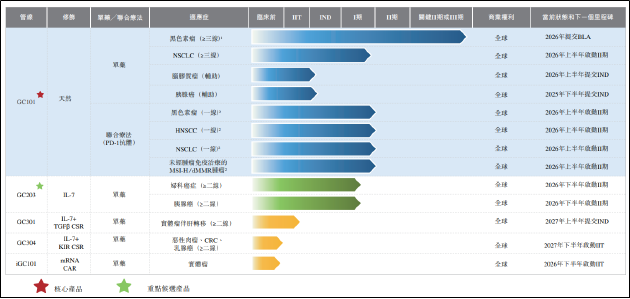
Group 1 - The core viewpoint of the article highlights that Junshi Biosciences has been recognized as a future unicorn in the biotechnology sector, particularly for its innovative cell therapy and drug development in the field of solid tumors [1] - The "2025 Future Unicorn" list, published by Chuangyebang, serves as an important indicator of the evolution of China's innovation landscape, with a focus on long-term growth logic [1] - The selected companies, including Junshi Biosciences, were evaluated based on five core dimensions: founding team, technological barriers, commercialization capability, capital attractiveness, and growth momentum [1] Group 2 - Junshi Biosciences has centered its core strategy around TIL therapy, aiming to transition this disruptive cell therapy from "efficacy" to "practicality" [2] - The company has over ten research pipelines, including the world's first natural TIL therapy GC101, which is currently in critical Phase II clinical trials, and the innovative non-viral vector gene-modified TIL therapy GC203 in Phase I clinical trials [2] - These therapies have shown excellent clinical efficacy across various advanced solid tumors, with some patients achieving complete tumor clearance and maintaining no evidence of disease for over four years [2] Group 3 - Junshi Biosciences is advancing its industrialization efforts with a new TIL cell industrialization base in Shanghai, covering over 16,000 square meters, which includes production, quality, data, and operational centers [3] - The company completed a C-round financing of 137 million yuan, attracting investment from specialized institutions in the life sciences sector, indicating strong capital attractiveness [3] - The current investment climate is more pragmatic, with a focus on cost and complexity, which aligns with Junshi Biosciences' efforts to tackle challenges in cell therapy [3] Group 4 - The recognition of Junshi Biosciences amidst the AI and hardware trends of 2025 underscores the significance of companies dedicated to cell therapy [4]

君赛生物递表港交所 面临10余款同类疗法竞争
Mei Ri Jing Ji Xin Wen· 2025-12-22 12:12
Core Viewpoint - Junshi Biosciences has submitted its IPO application to the Hong Kong Stock Exchange, aiming to enter the biotech sector with its innovative TIL therapies, GC101 and GC203, which show promising clinical results in treating solid tumors [1] Company Overview - Junshi Biosciences, established six years ago, focuses on innovative cell therapies and drug development for solid tumors [1] - The company has reported cumulative losses exceeding 350 million yuan from 2023 to the first half of 2025, with cash and cash equivalents at 63.635 million yuan as of June 30, 2025 [1][5] Product Pipeline - GC101, a TIL therapy, has shown an objective response rate (ORR) of 41.7% in patients with metastatic non-small cell lung cancer and 30% in advanced melanoma patients, positioning it as a potential first TIL therapy approved in China [1][3] - GC203, the world's first non-viral vector gene-modified TIL therapy, has demonstrated a 33.3% ORR in heavily pre-treated ovarian cancer patients [4] Market Potential - The global TIL therapy market is expected to reach $4.5 billion by 2035, with China's market projected to grow at a compound annual growth rate (CAGR) of 40% from 2030 to 2035, outpacing global growth [4] Financial Challenges - The company has not yet generated product sales revenue and is experiencing increasing R&D expenditures, which reached 57.62 million yuan in 2023 and are projected to rise further [5] - Junshi Biosciences faces significant cash flow pressure due to ongoing losses and rising operational costs [5] Competitive Landscape - The TIL therapy market is highly competitive, with over ten similar therapies in development globally, including Iovance's approved product, Amtagvi [6] - Junshi Biosciences must continue to build advantages in clinical progress, efficacy data, and cost control to stand out in the competitive environment [6] Regulatory Environment - Positive signals from industry policies, such as breakthrough therapy designations and conditional approval processes, are accelerating the approval of innovative cell therapies in China [6]

君赛生物赴港IPO:聚焦实体瘤“免化疗”突破,GC101冲刺国内首个TIL疗法获批席位
Mei Ri Jing Ji Xin Wen· 2025-12-18 14:42
Core Viewpoint - Junshi Biosciences has submitted its IPO application to the Hong Kong Stock Exchange, aiming to enter the biotech sector with its innovative TIL therapies, GC101 and GC203, which show promising clinical results in treating solid tumors [1][2]. Company Overview - Junshi Biosciences, established six years ago, focuses on innovative cell therapies and drug development for solid tumors [1]. - The company has developed GC101, the first TIL therapy that does not require high-intensity chemotherapy or IL-2 administration, and GC203, the first non-viral vector gene-modified TIL therapy [1][4]. Clinical Data - GC101 has shown an objective response rate (ORR) of 41.7% in patients with metastatic non-small cell lung cancer and 30% in patients with advanced melanoma [1][3]. - The therapy is currently undergoing critical clinical trials, with plans to submit a Biologics License Application (BLA) by 2026 [3]. Financial Performance - The company reported cumulative losses exceeding 350 million yuan from 2023 to mid-2025, with cash and cash equivalents at only 63.63 million yuan as of June 30, 2025 [1][5]. - R&D expenses have been increasing, with 57.62 million yuan in 2023, projected to rise to 90.99 million yuan in 2024 [5]. Market Potential - The global TIL therapy market is expected to reach $4.5 billion by 2035, with China's market projected to grow at a compound annual growth rate (CAGR) of 40% from 2030 to 2035 [4]. - Junshi's products are positioned to capitalize on this growth trend, especially with the anticipated lower treatment costs compared to imported therapies [3][4]. Competitive Landscape - The company faces competition from over ten similar TIL therapies currently in development, including IOVANCE's approved product in the U.S. [6]. - Junshi must continue to build advantages in clinical progress, efficacy data, and cost control to stand out in a rapidly evolving market [6]. Regulatory Environment - Positive signals from industry policies, such as breakthrough therapy designations and conditional approval processes, are expected to accelerate the approval of innovative cell therapies [6].
君赛生物赴港IPO:核心产品数据平平且专利仍待审批 递表前股东要求回购或转让股权
Xin Lang Cai Jing· 2025-12-17 07:13
Core Viewpoint - Junsei Biotech has submitted its prospectus to the Hong Kong Stock Exchange, focusing on innovative cell therapies for solid tumors, with its core product GC101 being the first TIL therapy expected to be approved in China [1][10]. Financial Performance - The company has incurred losses exceeding 350 million yuan over the past two and a half years, with net losses of 94 million yuan, 164 million yuan, and 98 million yuan for 2023, 2024, and the first half of 2025, respectively [2][11]. - Cash flow has been consistently negative, with cash usage of 55.5 million yuan, 98.3 million yuan, and 50.1 million yuan for the same periods, leaving only 63.63 million yuan in cash as of June 30, 2025 [2][11]. - The company's debt structure has worsened significantly, with short-term loans increasing by 488.84% and long-term loans by 662.7%, leading to a net debt increase from 137.8 million yuan at the end of 2023 to 427.4 million yuan by mid-2025 [2][11]. Product Pipeline - Junsei Biotech has five products in development, with GC101 currently in Phase II clinical trials for melanoma, expected to submit a Biologics License Application (BLA) in 2026 [3][12]. - The clinical data for GC101 shows an objective response rate (ORR) of 30% for late-stage melanoma patients and 41.7% for late-stage non-small cell lung cancer patients, which is considered average compared to competitors [5][14]. Patent Status - Several core patents, including those for GC101, are still pending approval in various jurisdictions, creating uncertainty regarding their eventual authorization and scope [5][14]. Valuation and Investor Sentiment - The company's valuation has increased approximately 22 times from 93 million yuan in January 2020 to 2.137 billion yuan by November 2025, largely driven by optimistic market expectations for cell therapies [7][16]. - Prior to the IPO, several early investors requested share buybacks, indicating potential concerns about the company's short-term outlook and the lengthy wait for the IPO [8][18]. - Notably, a significant shareholder sold 1.6 billion yuan worth of shares just before the IPO, raising questions about their motivations and the company's valuation [9][18].
金城医药实控人因操纵公司股票被处罚;石药创新拟赴港上市
Mei Ri Jing Ji Xin Wen· 2025-12-11 23:13
Group 1 - Jin Cheng Pharmaceutical's chairman Zhao Yeqing resigned following an administrative penalty from the China Securities Regulatory Commission (CSRC) for stock manipulation, revealing governance issues within the company [1] - Zhao Yeqing and two others were fined 3 million yuan, with Zhao facing a 4-year market ban and Wang Zhen a 3-year ban [1] - The incident may impact investor confidence in the short term, necessitating attention to the new management's election and compliance rectification efforts [1] Group 2 - Stone Pharmaceutical Innovation, a spin-off from Stone Pharmaceutical Group, submitted a prospectus for a Hong Kong IPO, focusing on biopharmaceuticals and health products [2] - Despite anticipated performance pressure in 2024, the company has a strong growth outlook in its biopharmaceutical business and a rich R&D pipeline [2] - The IPO aims to leverage the Hong Kong market for financing, with long-term focus on innovation and profitability improvement [2] Group 3 - Junshi Biosciences filed for an IPO in Hong Kong, highlighting its core product GC101, a novel TIL therapy that does not require intensive chemotherapy or IL-2 administration [3] - GC101 is positioned to be the first TIL therapy approved in China, offering a differentiated advantage in solid tumor treatment [3] - The commercialization model for GC101 remains unproven, and the competitive landscape for TIL therapies is intensifying, necessitating close monitoring of clinical data and post-IPO development [3] Group 4 - Innovent Biologics announced the approval of its new generation TRK inhibitor, Icotinib (ICP-723), by the National Medical Products Administration (NMPA) in China [4] - This marks the first domestically developed new generation TRK inhibitor approved for use in adult and adolescent patients with NTRK fusion gene solid tumors [4] - Icotinib demonstrates superior efficacy over first-generation TRK inhibitors, with strong brain penetration and good overall safety, providing convenience for patients with its oral administration [4] Group 5 - Yunding New Medicine announced strategic agreements with Haisen Biopharmaceutical, including a commercialization service agreement and a licensing agreement [5] - These agreements are expected to create significant financial and strategic synergies, enhancing operational efficiency and commercial capabilities across the product lifecycle [5] - The collaboration aims to strengthen Yunding's cardiovascular pipeline, aligning with growth trends in the sector and potentially opening long-term growth opportunities [5]

君赛生物冲刺港股:2024年净亏损扩大73.4% 研发投入激增58%背后的商业化隐忧
Xin Lang Cai Jing· 2025-12-11 00:48
Core Business and Business Model - Junshi Biosciences focuses on innovative cell therapies for solid tumors, with its core product being the world's first TIL therapy GC101, which does not require high-intensity lymphodepleting chemotherapy or IL-2 injections [1] - The company utilizes the DeepTIL™ cell enrichment and expansion platform and the NovaGMP™ non-viral vector gene modification technology to develop a pipeline of cell therapies targeting melanoma, non-small cell lung cancer, and cervical cancer [1] - As of June 2025, the company has five products in development, with GC101 in a critical Phase II clinical trial and GC203 in Phase I, but no products have been commercialized yet [1] - The business model is primarily based on self-research, aiming to convert personalized therapies into near-inventory products through a "time-segmented production process" to reduce costs, though this model remains theoretical and unverified [1] Financial Core Indicators - The company has experienced a continuous increase in net losses, with a pre-tax loss of 94.39 million yuan in 2023, expanding to 164 million yuan in 2024, a year-on-year increase of 73.4% [2] - R&D costs surged to 91 million yuan in 2024 (+58.0%), and administrative expenses rose to 24.75 million yuan (+88.3%) [2] - The liquidity ratio dropped significantly from 4.0 at the end of 2024 to 1.6 by June 2025, indicating a substantial weakening of short-term debt repayment capability [2] - Net debt increased from 138 million yuan in 2023 to 427 million yuan by June 2025, a rise of 209.9% [2] R&D Investment Concentration - In 2024, 66.5% (60.5 million yuan) of the 91 million yuan R&D investment was allocated to the core product GC101, which accounted for 58.7% of total R&D expenses by June 2025 [3] - The over-concentration of R&D resources on a single product poses a risk of significant sunk costs if GC101 fails in clinical trials or does not meet commercialization expectations [3] Clinical and Commercialization Risks - GC101's clinical data shows an overall response rate (ORR) of only 30% in Phase II trials for melanoma and 41.7% in Phase I trials for non-small cell lung cancer, which does not significantly outperform similar products in development [4][5] - The competitive landscape is intense, with 11 TIL therapies already in clinical stages globally, and the company faces challenges in demonstrating superior efficacy [4][5] Commercialization Outlook - The company aims to control the treatment cost of GC101 to within 500,000 yuan, but the personalized production nature of TIL therapies leads to high costs, with international counterparts priced above 400,000 USD (approximately 2.9 million yuan) [5] - Even if cost targets are met, the company faces pricing pressure from health insurance negotiations and patient payment capabilities, with a net cash outflow of 98.26 million yuan in 2024 [5] Supply Chain and Governance Risks - The top five suppliers accounted for 46.5% of total procurement in 2024, indicating a vulnerability in the supply chain, with the largest supplier contributing 27.3% [6] - The founder controls 34.5% of the shares, which raises governance risks related to decision-making and potential conflicts of interest, as well as concerns about the fairness of related party transactions [6] Industry Comparison - Compared to domestic TIL therapy companies, Junshi Biosciences has a lower absolute R&D investment, with 91 million yuan in 2024, compared to 123 million yuan by a competitor [7] - The company's cash reserves of 64 million yuan are only 34.6% of a competitor's 185 million yuan, which may hinder its ability to seize market opportunities [7] Conclusion - Junshi Biosciences presents both innovative potential and significant risks, with expanding net losses, deteriorating financial conditions, and concentrated supply chain and governance issues [8] - Investors are advised to closely monitor the critical Phase II clinical data for GC101 in 2026, the use of IPO fundraising, and progress in cost control before making investment decisions [8]