细胞疗法

Search documents
INmune Bio(INMB) - 2025 Q4 - Earnings Call Transcript
2026-03-30 21:30
Financial Data and Key Metrics Changes - The net loss attributable to common stockholders for the year ended December 31, 2025, was approximately $45.9 million, compared to approximately $42.1 million for 2024, indicating an increase in losses [22] - Research and development expenses totaled approximately $20.7 million for the year ended December 31, 2025, down from approximately $33.2 million for 2024, due to lower expenses related to the Alzheimer's trial [23] - General and administrative expenses were approximately $10.3 million for the year ended December 31, 2025, compared to approximately $9.5 million for 2024 [23] - The company recorded a full impairment of its intangible asset of $16.5 million in 2025 following the release of phase II results of the Alzheimer's trial, which did not meet the clinical endpoint [23] - As of December 31, 2025, the company had cash and cash equivalents of approximately $24.8 million, sufficient to fund operations through Q1 2027 [24] Business Line Data and Key Metrics Changes - CORDStrom is the most advanced program and a major value driver for the company, with recent patient data showing clinically meaningful wound healing and improvements in quality of life for RDEB patients [5][6] - The XPro program for Alzheimer's disease is in a strong position, having completed the MINDFuL trial and aligned with the FDA on the development path, preparing for a phase III trial [7][8] Market Data and Key Metrics Changes - The company is preparing regulatory submissions for CORDStrom in both the U.K. and the U.S., with plans to file the MAA in the U.K. by the end of summer 2026 [5][15] - The company aims to submit the BLA to the FDA towards the end of 2026, with expectations of feedback or approvals in 2027 [25] Company Strategy and Development Direction - The company is focused on executing against important regulatory, clinical, and strategic milestones across its portfolio, particularly for CORDStrom and XPro [5][9] - CORDStrom is not just a single asset opportunity but a platform with broader potential for development in additional inflammatory and degenerative conditions [6] - The strategy includes advancing multiple differentiated platforms in parallel to create meaningful opportunities for value creation [8][9] Management's Comments on Operating Environment and Future Outlook - Management expressed confidence in the progress of CORDStrom and its potential to address unmet medical needs for RDEB patients, emphasizing the urgency to bring the therapy to market [6][7] - The company remains committed to capital efficiency and maximizing shareholder value while minimizing unnecessary burn [21] - Management highlighted the importance of building partnerships and financial support to advance their programs [25] Other Important Information - The company completed its phase II trial in metastatic castration-resistant prostate cancer ahead of schedule and under budget, meeting its primary endpoint and two of its three secondary endpoints [8] - The company is actively seeking business partnerships to develop broader indications for CORDStrom beyond RDEB [15] Q&A Session Summary Question: Anticipated differences between an MAA and an FDA submission - Management indicated that the FDA requires U.K. donor materials to be screened for infectious disease markers in U.S. labs, necessitating the creation of new master seed stock for U.S. submission [33][34] Question: Interest from potential pharma partners for XPro - Management confirmed ongoing discussions with groups and emphasized the attractiveness of the XPro program for mid-sized and large pharma companies due to its potential in a large market [47][48]

Cell子刊:武汉大学张先正团队构建细菌-巨噬细胞内共生系统,用于癌症免疫治疗
生物世界· 2026-03-11 04:13
Core Viewpoint - The research presents a novel endosymbiotic system combining ATP-expressing engineered bacteria and macrophages for cancer immunotherapy, demonstrating significant potential in inhibiting breast cancer progression and metastasis [2][4][6]. Group 1: Research Highlights - The study successfully established an endosymbiotic system through the encapsulation of bacteria with cationic lipid membranes to avoid degradation by macrophage lysosomes [3][5]. - This engineered endosymbiotic system is designed to continuously express ATP, providing essential energy for the metabolic activities of host macrophages and mediating immune activation through lipopolysaccharides [3][5]. - The system enhances the functionality of host macrophages significantly, showcasing its potential in cancer treatment [5][8]. Group 2: Functional Characteristics - The endosymbiotic system exhibits remarkable pro-inflammatory polarization and functional enhancement in the tumor microenvironment, effectively suppressing breast cancer progression and metastasis [4][6][8]. - It is noteworthy that the system can maintain functionality for up to 60 hours even under nutrient-deprived conditions, indicating its robustness [3]. Group 3: Broader Implications - This innovative approach based on the relationship between engineered bacteria and macrophages offers a promising new avenue for cancer immunotherapy and has broad potential applications in various biological contexts [8].


Lineage Cell Therapeutics(LCTX) - 2025 Q4 - Earnings Call Transcript
2026-03-05 22:32
Financial Data and Key Metrics Changes - The reported net loss for the full year 2025 was approximately $63.5 million, an increase of $45 million compared to 2024, primarily due to non-cash charges linked to rising stock prices and an asset impairment charge [31][39] - Total revenues for Q4 2025 were approximately $6.6 million, a net increase of $3.7 million compared to Q4 2024, driven by higher collaboration revenue from Roche and a new research collaboration with WDI [33] - Total operating expenses for the full year were $51.2 million, an increase of $20.2 million compared to 2024, mainly due to expenses related to the impairment of an intangible asset [37] Business Line Data and Key Metrics Changes - R&D expenses for Q4 2025 were $8.2 million, an increase of $4.8 million compared to Q4 2024, driven by costs associated with the OpRegen program and other preclinical programs [34] - G&A expenses for Q4 2025 were approximately $4.8 million, an increase of $0.4 million compared to the same period in 2024, primarily due to personnel costs [34] Market Data and Key Metrics Changes - The company has a cash position of $55.8 million as of December 31, 2025, which, along with proceeds from warrant exercises, is expected to support operations into Q2 2028 [32] - The company has approximately $32 million remaining in underlying warrants priced at $0.91 per share, which could be accelerated if Roche or Genentech advance OpRegen into clinical trials [33] Company Strategy and Development Direction - The company is focused on leveraging its AlloSCOPE platform to develop scalable, allogeneic cell therapies, aiming to address significant unmet medical needs in various conditions [10][21] - The company is expanding its pipeline to include new cell types, with a recent initiative in islet cell research aimed at addressing challenges in type 1 diabetes treatment [23][24] - The company emphasizes a development philosophy of "better from the beginning," ensuring that all programs have a clear path to commercial viability [29] Management's Comments on Operating Environment and Future Outlook - Management expressed confidence in the potential of the OpRegen program to drive positive clinical outcomes in dry AMD, supported by the commitment of their partner Roche [41] - The company is optimistic about the advancements in its manufacturing capabilities and the potential for new partnerships to fund further development [41] Other Important Information - The company achieved its first milestone under the Roche collaboration, receiving a $5 million payment, which highlights its contributions to the program [15] - The company has successfully established a GMP master cell bank, demonstrating its capability for large-scale production of cell therapies [10][22] Q&A Session Summary Question: What is the long-term business development strategy regarding various cell types? - The company aims to generate a basket of assets using the AlloSCOPE platform, focusing on partnerships that can provide funding while retaining significant ownership of programs [44][46] Question: What are the rate-limiting steps for scaling the islet cell component? - The transition from half-liter to larger scales is uncertain, but the company believes that achieving control at smaller scales will facilitate scaling to larger bioreactors [47][49] Question: Can you provide updates on the OPC1 program and its first participant? - The OPC1 study is primarily a safety and performance study, with functional assessments occurring at 1-year intervals, and anecdotal reports suggest some improvement in the first chronic patient [61][62] Question: What are the plans for future data releases regarding OpRegen? - The company is excited about the continued benefits observed in patients and will defer to Roche regarding the release of four-year data [59][60]

Vericel Announces FDA Approval of New State-of-the-Art Advanced Therapy Manufacturing Facility
Globenewswire· 2026-03-04 13:00
Core Insights - Vericel Corporation has received FDA approval for MACI commercial manufacturing at its Burlington facility, enabling the company to begin production in Q2 2026 and expand capacity to meet demand [2][3] Company Overview - Vericel is a leader in advanced therapies for sports medicine and severe burn care, offering innovative cell therapies and specialty biologics [4] - The company markets three products in the U.S.: MACI, Epicel, and holds exclusive rights to NexoBrid [4] Product Details - MACI is indicated for the repair of symptomatic, full-thickness cartilage defects of the knee in adults [4] - Epicel serves as a permanent skin replacement for patients with significant burns [4] - NexoBrid is used for eschar removal in burn patients [4]


阿斯利康,豪赌中国
Ge Long Hui· 2026-02-13 17:24
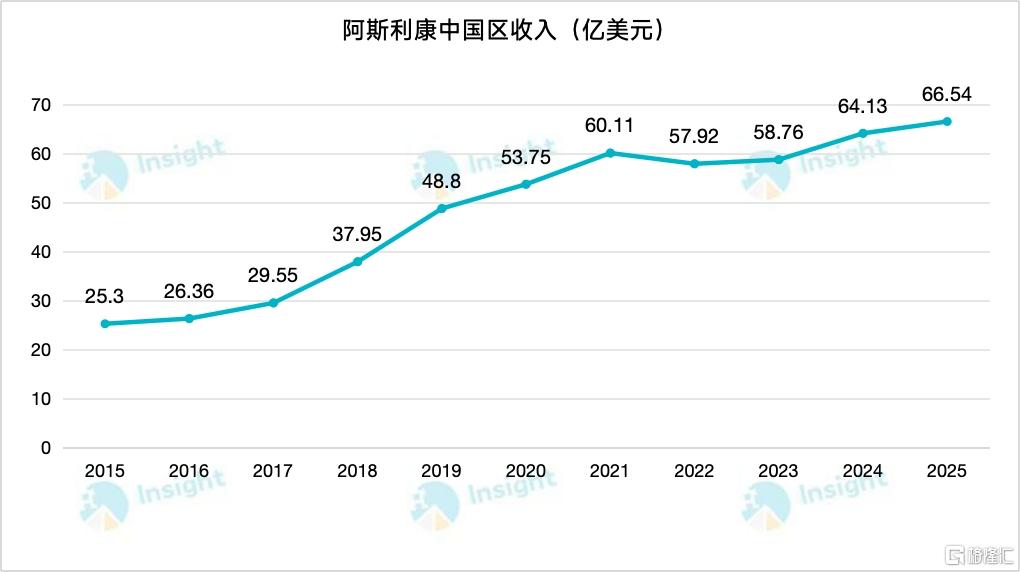
Core Insights - AstraZeneca achieved a record revenue of $6.664 billion in China for 2025, marking a significant milestone in its 30-year history in the market [1] - The company plans to invest $15 billion in China by 2030 and has established a $18.5 billion collaboration with CSPC Pharmaceutical Group [1] Revenue Performance - AstraZeneca is the second-largest market for the company, with 2024 revenues reaching $54.073 billion, and China contributing $6.413 billion, a year-on-year increase of 11% [1] - In 2025, total revenue reached $58.739 billion, with China contributing $6.654 billion, accounting for 11% of total revenue, maintaining the top position among multinational pharmaceutical companies in China [1][3] Product Portfolio - Since entering the Chinese market in 1993, AstraZeneca has introduced over 40 innovative drugs, including key products in oncology and chronic disease management [3] - The inhaled budesonide suspension is the highest-selling drug in China, although its sales have declined due to policy price adjustments [3] - Osimertinib is expected to become a new flagship product in China, potentially replacing budesonide due to the large market for non-small cell lung cancer patients [3][4] Strategic Focus - AstraZeneca is focusing on a comprehensive "innovation offensive" in China, particularly in oncology, cardiovascular, renal, and metabolic disease areas [6] - The company has a robust pipeline in oncology, with several promising drugs set to launch in China, including novel AKT inhibitors and TROP2 ADCs for breast cancer treatment [6] - The pipeline also includes treatments for chronic diseases and rare diseases, addressing the diverse needs of the Chinese market [7][8] Investment Plans - AstraZeneca's $15 billion investment will focus on expanding drug manufacturing and R&D capabilities, particularly in cell therapy and radiolabeled drug conjugates [12][13] - The company has made 23 collaborations in China since 2021, totaling over $40 billion, with a significant focus on oncology and chronic disease treatments [9][12] Market Positioning - AstraZeneca aims to leverage China's scientific and manufacturing strengths to provide cutting-edge treatment solutions, positioning itself as a leader in cell therapy capabilities [13] - The company has established global strategic R&D centers in Beijing and Shanghai and operates multiple production bases across China [13][14] Conclusion - AstraZeneca's deep integration into the Chinese market signifies a shift from merely selling products to becoming a core participant in China's healthcare ecosystem, evolving into a global innovation center rooted in China [15]

减重神药不再“一家独大”?清华团队一针见效新技术问世,改造免疫细胞带来持久控糖瘦身双效
GLP1减重宝典· 2026-02-12 15:11
Core Viewpoint - The article discusses a groundbreaking research study that introduces a long-lasting CAR-T cell platform for the delivery of biologics, specifically targeting chronic diseases like obesity and diabetes, offering a potential single-dose treatment solution [7][8][20]. Group 1: Research Breakthroughs - The research team from Tsinghua University developed a revolutionary long-lived CAR-T cell, named GD2TIF, which can deliver GLP-1 for obesity and diabetes treatment with a single injection, maintaining long-term effects [8][18]. - The study published in *Nature Communications* on August 29, 2025, highlights the potential of GD2TIF cells to provide a "one-time treatment, long-term effectiveness" solution for chronic diseases [9][20]. - Previous methods, such as using AAV vectors for gene delivery, have limitations in providing long-term therapeutic effects due to their transient nature [9][10]. Group 2: Mechanism and Efficacy - GD2TIF cells can secrete GLP-1, achieving sustained weight maintenance and normal blood sugar levels in obesity mouse models, thus meeting clinical "cure" standards [18][20]. - The research emphasizes the importance of selecting GD2 as a target, as it is highly expressed in certain tumors but minimally in normal tissues, reducing the risk of off-target effects [16][17]. - The innovative approach of using CAR-T cells as "living factories" for therapeutic proteins aims to address the challenges of traditional biologic treatments that require frequent injections [10][11]. Group 3: Future Implications - The successful development of GD2TIF cells as a reliable platform for biologic delivery could revolutionize treatment for various chronic diseases, potentially reducing the burden of continuous medication and frequent medical visits for patients [20]. - The article notes that while the cost of CAR-T cell therapy remains high, advancements in cell therapy technology and scalable production could make this long-term delivery method more cost-effective compared to traditional repeated injections [20].

三友医疗拟以2000万元增资椎元医学
Bei Jing Shang Bao· 2026-02-11 13:20
Group 1 - The core point of the article is that Sanyou Medical (688085) plans to invest 20 million yuan in Zhuyuan Medical Technology (Shanghai) Co., Ltd., acquiring a 9.0909% stake in the company [1] - Zhuyuan Medical focuses on innovative cell therapy for intervertebral disc degeneration, with its main product "FibroCell-001" aimed at improving cell activity and microenvironment within the disc to alleviate pain and maintain disc height [1] - The investment is intended to expand Sanyou Medical's business, as the product line of Zhuyuan Medical aligns with Sanyou's existing business, enhancing its overall competitiveness and value [1]

美股异动 | 礼来(LLY.US)涨逾3% 将收购免疫细胞工程公司Orna Therapeutics
智通财经网· 2026-02-09 14:44
Core Viewpoint - Eli Lilly (LLY.US) has announced a definitive acquisition agreement with Orna Therapeutics to enhance its position in cell therapy and gene drug sectors, with a potential total payout of up to $2.4 billion to Orna's shareholders [1] Group 1: Acquisition Details - Eli Lilly's acquisition of Orna includes a cash payment to shareholders, which may reach up to $2.4 billion, consisting of upfront payments and milestone payments tied to specific clinical development achievements [1] - The acquisition focuses on Orna's circular RNA technology platform and in vivo CAR-T pipeline, which are expected to strengthen Eli Lilly's capabilities in innovative therapies [1] Group 2: Technology and Innovation - Orna specializes in engineering circular RNA combined with novel lipid nanoparticle (LNP) delivery systems, allowing patients' bodies to generate therapeutic cells that target the root causes of diseases [1] - The technology offers advantages such as prolonged expression of therapeutic proteins, addressing limitations in current RNA and cell therapies [1] Group 3: Key Projects - Orna's core project, ORN-252, is a clinically ready in vivo CAR-T therapy targeting CD19, primarily aimed at treating B cell-mediated autoimmune diseases, which aligns with Eli Lilly's strategic focus [1]

IN8bio (NasdaqGM:INAB) Conference Transcript
2026-02-05 21:02
Summary of IN8bio Conference Call - February 05, 2026 Company Overview - **Company**: IN8bio (NasdaqGM:INAB) - **Focus**: Development of cellular therapies using gamma delta T cells - **Key Personnel**: William Ho (CEO), Dr. Larry Lamb (Chief Scientific Officer) [1][2] Core Programs and Pipeline - **Ongoing Programs**: - **INB-100**: Allogeneic cell therapy for leukemia patients undergoing transplantation, currently enrolling an expansion cohort with updated phase one data expected by year-end [3] - **INB-619**: T cell engager platform targeting CD19 for both oncology and autoimmune diseases [3] - **INB-200 and INB-400**: Genetically modified gamma-delta T cell programs targeting solid tumors, particularly glioblastoma [3][4] Glioblastoma Treatment Insights - **Mechanism of Action**: Targets the DNA damage response (DDR) pathway, which is fundamental to all cells, making it potentially applicable to various solid tumors [33] - **Clinical Trial Results**: - Patients treated with INB-200 and INB-400 showed a median progression-free survival (PFS) of 13 months, compared to 6.6 months in the control group [14] - Overall survival (OS) for treated patients reached 17.2 months, with some patients remaining progression-free for over 4 years [15][47] - No major toxicity signals or adverse events reported [11] T Cell Engager Platform - **INB-619**: A unique CD19 targeting T cell engager designed to minimize cytokine release syndrome (CRS) while effectively depleting B cells [22][27] - **Comparative Efficacy**: INB-619 demonstrated comparable or superior potency to existing B-cell depleters like Amgen's blinatumomab and Roche's mosunitumab, with a significantly wider therapeutic window [26][27] Financial and Operational Updates - **Recent Financing**: Raised $20.1 million led by Coastlands Capital, with participation from Franklin Templeton and other investors, providing runway through 2027 [28][50] - **Upcoming Milestones**: - Public peer-reviewed publication of glioblastoma data - FDA guidance on regulatory path for glioblastoma program - Mouse data for INB-619 expected by late summer [53] Additional Insights - **Market Positioning**: IN8bio has chosen not to pursue autoimmune diseases with cell therapies, focusing instead on oncology due to concerns about the safety and efficacy of existing treatments in that area [20] - **Histopathology Findings**: Analysis of treated patients showed significant infiltration of gamma-delta T cells, indicating effective targeting of tumors [19] Conclusion - IN8bio is making significant strides in the development of innovative therapies for glioblastoma and leukemia, with promising clinical results and a solid financial foundation to support ongoing research and development efforts [29]

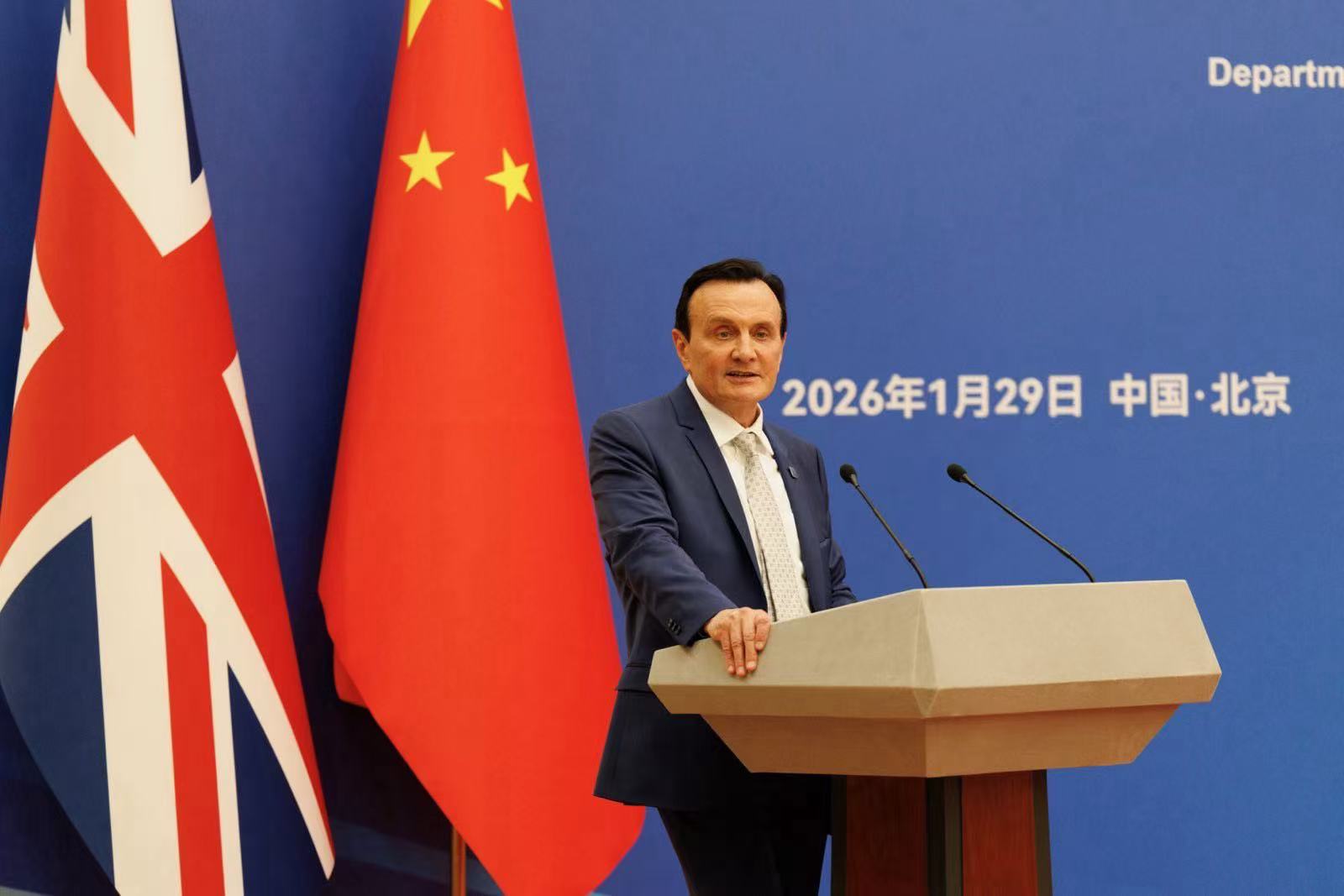
阿斯利康全球CEO:拟未来五年在华投资千亿 竞逐下一代疗法发展
Di Yi Cai Jing· 2026-01-30 11:41
Core Viewpoint - AstraZeneca's CEO Pascal Soriot emphasized the significance of the company's investment announcement during UK Prime Minister Starmer's visit to China, highlighting the importance of a long-term, stable, and strategic partnership between the UK and China to address complex international challenges [1][3]. Investment Plans - AstraZeneca plans to invest over 100 billion RMB (approximately 14.1 billion USD) in China by 2030, marking the largest investment in the company's history in the country [3]. - The investment aims to enhance AstraZeneca's capabilities in drug production and research and development, with China accounting for about 12% of the company's revenue [3][6]. Collaboration and Ecosystem - The company aims to leverage China's research advantages and advanced manufacturing capabilities to deliver innovative therapies for patients globally [3]. - AstraZeneca has established collaborations with leading institutions such as Cambridge University, Oxford University, and HSBC to foster deeper cooperation between the UK and China in various fields, including artificial intelligence and green energy [4]. Employment and Economic Impact - The new investment is expected to increase AstraZeneca's workforce in China to over 20,000 employees and create thousands of new jobs within the healthcare ecosystem [3]. - AstraZeneca has been operating in China for over 30 years and is considered a successful example of UK-China economic cooperation [3]. Research and Development Focus - The investment will cover the entire value chain from drug discovery to clinical development and manufacturing, aligning with China's "Healthy China 2030" goals [7]. - AstraZeneca plans to launch 20 global innovative drugs by the end of 2030, with over 200 projects in its Chinese R&D pipeline [9]. Strategic Partnerships - AstraZeneca's recent collaboration with Chinese pharmaceutical company CSPC involves a potential deal worth up to 18.5 billion USD, focusing on innovative long-acting peptide drugs [10]. - The company has formed over 17 partnerships with 15 local Chinese innovative drug companies, covering advanced technologies such as antibody-drug conjugates and cell therapies [11]. Market Position and Future Outlook - AstraZeneca's investment in China reflects the country's growing role as a source of innovative drug assets and its potential to become a global leader in biopharmaceutical innovation alongside the US [11]. - The company has invested over 1.8 billion USD in Chinese manufacturing since 2023, aiming to build a localized, intelligent, and green global production supply network [9].