GC101

Search documents
Iovance 财报引爆实体瘤细胞治疗的“奇点”时刻
Mei Ri Jing Ji Xin Wen· 2026-02-26 10:04
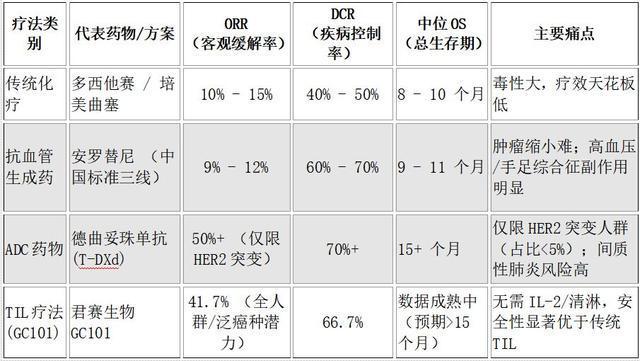
Core Insights - Iovance's Q4 2025 revenue reached $86.77 million, a quarter-over-quarter increase of approximately 30%, with gross margin improving significantly to 50%, marking a shift from "technical validation" to "large-scale commercialization" in the TIL therapy sector [1][2] - Chinese companies, represented by Junshi Biosciences, are innovating to reduce treatment costs and enhance accessibility for TIL therapies, indicating a competitive edge in the market [1][4] Financial Performance - Iovance's stock price surged by 30.8% to $3.78 on the day of the earnings report, marking the largest single-day increase in two years, with after-hours trading pushing it to $3.877 [2] - The revenue of $86.77 million exceeded analyst expectations, and the gross margin increased from 43% in Q3 to 50%, indicating improved production processes and market acceptance [2][3] Clinical Developments - The FDA granted Lifileucel fast track designation for non-small cell lung cancer, with the registration trial expected to complete patient enrollment in the first half of the year [2] - Iovance reported a 50% objective response rate (ORR) in a pilot trial for refractory soft tissue sarcoma, suggesting the TIL technology platform's potential across multiple solid tumor indications [3] Competitive Landscape - Junshi Biosciences is leading a shift in TIL therapy by developing GC101, which does not require high-intensity chemotherapy or IL-2 injections, addressing significant safety and accessibility issues [4][5] - The clinical data for GC101 shows a 41.7% ORR and a 66.7% disease control rate (DCR) in late-stage non-small cell lung cancer, positioning it as a competitive alternative to traditional therapies [6][8] Market Outlook - The period of 2026-2027 is anticipated to be a critical window for TIL therapies, with Iovance's success raising the probability of success for solid tumor cell therapies [9] - Investment strategies are shifting towards assets with confirmed data, differentiated technology, and clear commercialization paths, benefiting companies like Junshi Biosciences [10]

君赛生物亮相2026亚洲金融论坛
Guo Ji Jin Rong Bao· 2026-01-27 09:08
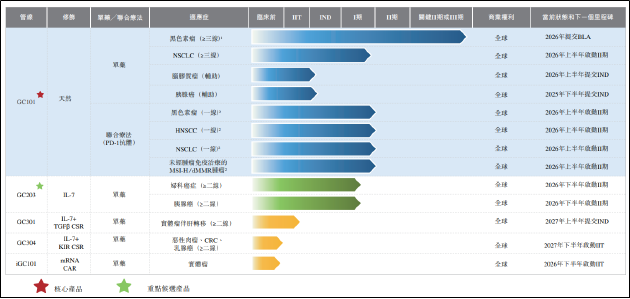
Group 1 - The 19th Asian Financial Forum, co-hosted by the Hong Kong SAR government and the Hong Kong Trade Development Council, introduced the "Global Industry Summit" focusing on high-growth and high-value sectors such as biomedicine and healthcare [1] - Junshi Biosciences, a key exhibitor in the biomedicine sector, showcased its technological breakthroughs, product pipeline, and commercialization prospects in the TIL (tumor-infiltrating lymphocyte) therapy field [1] - The company submitted its listing application to the Hong Kong Stock Exchange in December last year and has completed multiple financing rounds totaling nearly 800 million RMB, with a recent C round completed in November 2025, achieving a valuation of 2.137 billion RMB [1] Group 2 - Junshi Biosciences' core product, GC101, is the world's first natural TIL cell new drug that does not require high-intensity lymphodepletion chemotherapy or IL-2 administration, providing long-term benefits to patients with advanced metastatic solid tumors [2] - The product has shown complete tumor clearance in multiple patients, with the longest progression-free survival exceeding 4 years [2] - The company is also actively developing the world's first in-vivo TIL therapy, aiming to shift TIL therapy from a "highly personalized" to a "quasi-off-the-shelf" model, significantly reducing production costs and patient wait times, thereby enhancing accessibility [2]

嘉因生物冲刺港股:净亏损扩大至9433万元 核心产品临床成功率存疑
Xin Lang Cai Jing· 2026-01-15 00:26
Core Business and Business Model - Exegenesis Bio Inc. focuses on gene therapy and oligonucleotide drug development, established in 2019, with headquarters in the Cayman Islands and operational entities in Hangzhou and Guangzhou, China. The company utilizes two core technology platforms: AAVarta and SODA, targeting rare and common diseases for innovative therapy development [1] - The company has 11 candidate products in development, including treatments for spinal muscular atrophy (SMA), wet age-related macular degeneration (wAMD), and Fabry disease. The core product EXG001-307 (for SMA type 1) is in Phase III clinical trials, while EXG102-031 (for wAMD) and EXG202 (for retinal neovascular diseases) are in Phase I/II [1] Revenue and Financial Performance - As of the first nine months of 2025, the company reported revenue of 1.299 million RMB, primarily from R&D services for overseas clients, indicating a lack of commercialized products and a revenue scale significantly below industry averages [2][3] - The net loss for the first nine months of 2025 reached 94.33 million RMB, continuing a trend of increasing losses primarily due to high R&D expenditures, which accounted for 87.3% of total operating expenses [2] - The gross margin for the first nine months of 2025 was only 10%, reflecting a weak profitability of the current business model, which relies heavily on R&D services rather than product sales [2] Customer and Supplier Concentration - The company’s revenue is entirely dependent on a single overseas client, resulting in a customer concentration of 100%, which poses a significant risk to business continuity [3][7] - The company has a high dependency on suppliers, with the top five suppliers accounting for 47.6% of procurement in the first nine months of 2025, indicating potential supply chain risks [8] Financial Challenges - As of September 2025, the company faced severe financial challenges, with net current liabilities of 1.632 billion RMB and a cash burn rate of approximately 70 million RMB per month, suggesting that existing cash reserves can only sustain operations for about 3.7 months [5][6] Competitive Landscape - Compared to peers, Exegenesis Bio's R&D efficiency is lower, with 145 million RMB spent in 2024 to advance only one Phase III and two Phase I/II products, while competitors have achieved more significant milestones with higher investments [6] - In the SMA treatment market, competition is intense, with Novartis's Zolgensma already approved globally, and domestic competitors advancing more rapidly in clinical trials [6][10] Management and Governance - The company is controlled by a founding team holding 31.16% of voting rights, which may lead to a lack of checks and balances in decision-making due to concentrated ownership [9] - The management team has extensive experience in gene therapy, but there is a lack of transparency regarding their compensation and incentive mechanisms [9] Regulatory and Commercialization Risks - The company faces multiple risks related to clinical development, regulatory approval, and commercialization, particularly with the core product's clinical data showing inferior efficacy compared to competitors [10][11][12] - As a biotechnology company under Chapter 18A, it must meet ongoing R&D requirements post-listing, with potential delisting risks if core product development fails [11] - The company has not yet established a sales team, raising concerns about its commercialization capabilities in a competitive market [12]
君赛生物:底层平台技术突破,推动TIL疗法从“可及性破局”到“价值兑现”
Jiang Nan Shi Bao· 2026-01-07 04:57
Core Insights - TIL (Tumor-Infiltrating Lymphocytes) therapy is recognized as a promising treatment for late-stage solid tumors, leveraging the patient's own tumor tissue for extraction and expansion [1][2] - The conventional TIL therapy faces challenges such as high costs, long preparation times, significant toxicity, and high clinical management thresholds [1] - Junshi Biosciences has made significant technological advancements with platforms like DeepTIL, NovaGMP, and RiverTIL, aimed at improving the efficiency and accessibility of TIL therapies [1][2][3] Group 1: Technological Innovations - The DeepTIL platform utilizes a non-nutritive cell culture process, significantly reducing production costs and eliminating reliance on high doses of IL-2, enhancing product safety and lowering implementation barriers [1] - The NovaGMP platform employs non-viral vector technology for gene-modified TIL products, improving efficacy while avoiding the high costs and complexities associated with viral vectors [1][2] - The RiverTIL platform aims for in vivo direct expansion of TILs, representing a shift from highly personalized to more standardized therapies, potentially lowering production costs and wait times for patients [2] Group 2: Product Development Strategy - The core product GC101 is the first natural TIL therapy that does not require intensive lymphodepleting chemotherapy or IL-2 administration, focusing on establishing new standards for safety and accessibility [2] - The product development strategy includes a tiered approach, with foundational products enhancing accessibility and advanced products like GC203 targeting efficacy improvements for challenging cancers such as pancreatic and ovarian cancer [2][3] - This strategy diversifies research risks and creates a clear pathway for market penetration and value capture, catering to various clinical scenarios and patient payment capabilities [2][3] Group 3: Operational and Commercial Considerations - Junshi Biosciences emphasizes a systematic approach to the entire industry chain, focusing on efficient technological breakthroughs and clinical advancements while maintaining the therapeutic potential of TIL therapy [3] - The innovative "time-segmented production process" allows for the pre-manufacturing and cryopreservation of TIL seed cells from surgically removed tumor tissues, enhancing flexibility and success rates in production [3] - The design of products considers hospital implementation convenience and health economic value, actively reducing reliance on scarce medical resources and shortening hospital stays, facilitating market access and negotiations with insurers [3]
趋势研判!2026年中国TIL疗法行业概述、产业链、市场现状、竞争格局及发展趋势分析:市场规模持续增长,国内企业有望在全球竞争中占据一定的份额[图]
Chan Ye Xin Xi Wang· 2025-12-28 01:01
Core Insights - TIL cell therapy is emerging as a cornerstone drug for tumor immunotherapy, compatible with various drug forms, and is expected to follow PD-(L)1 antibodies as a new generation treatment [1][7] - The global TIL therapy market is projected to reach $1.04 billion in 2024, with estimates of $2.08 billion in 2025, $3.70 billion in 2026, and $5.98 billion in 2027 [1][7] - By 2030, the global TIL therapy market is expected to grow to $16.92 billion, with China's market reaching approximately $2 billion [1][7] TIL Therapy Industry Definition and Characteristics - TIL refers to immune cells present in the tumor microenvironment, including T cells, B cells, NK cells, and macrophages, which are crucial for anti-tumor immunity [2] - TIL therapy involves extracting TIL cells from a patient's tumor, expanding and activating them in a lab, and reinfusing them to enhance anti-cancer effects [3][5] TIL Therapy Clinical Trial Pipeline - As of December 2024, there are 88 TIL therapy pipelines in clinical trials globally, with 69.3% in Phase I, 15.9% in Phase I/II, 13.6% in Phase II, and 1.1% in Phase III [1][7][8] TIL Therapy Market Size and Growth - The TIL therapy market is rapidly expanding, with significant growth expected in the coming years, driven by increasing clinical trial activity and market demand [1][7][15] - The first TIL therapy in China is anticipated to enter the commercial market around 2027, with an estimated market size of $0.18 billion [1][7] TIL Therapy Industry Chain - The TIL therapy industry chain includes upstream components like cell culture media and equipment, midstream personalized drug production, and downstream applications in hospitals and treatment centers [8] Competitive Landscape - Several companies are actively developing TIL therapies, including Iovance Biotherapeutics, Obsidian Therapeutics, and Junshi Biosciences, with Junshi's GC101 being a leading candidate in China [9][11] Development Trends in TIL Therapy - TIL therapy is still in clinical trial stages, with ongoing research focused on improving efficacy, safety, and accessibility [15] - The industry is expected to see increased capital investment and innovation, with a focus on overcoming immune suppression in the tumor microenvironment [15]

君赛生物递表港交所 面临10余款同类疗法竞争
Mei Ri Jing Ji Xin Wen· 2025-12-22 12:12
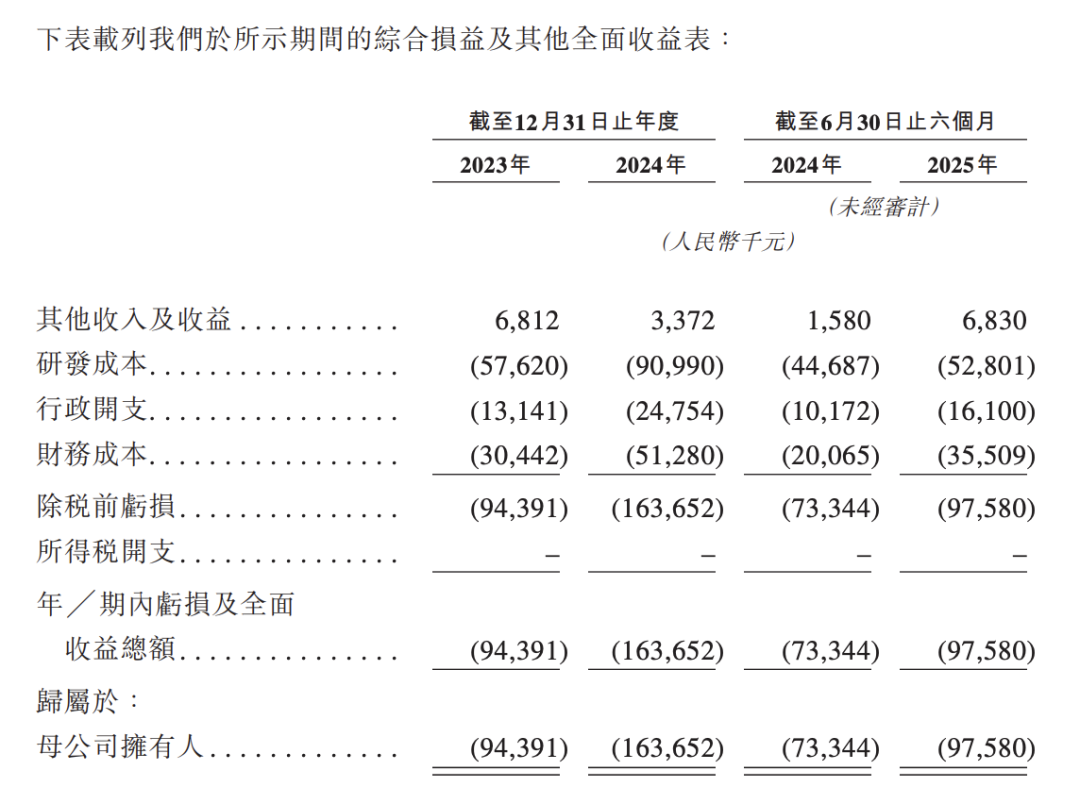
Core Viewpoint - Junshi Biosciences has submitted its IPO application to the Hong Kong Stock Exchange, aiming to enter the biotech sector with its innovative TIL therapies, GC101 and GC203, which show promising clinical results in treating solid tumors [1] Company Overview - Junshi Biosciences, established six years ago, focuses on innovative cell therapies and drug development for solid tumors [1] - The company has reported cumulative losses exceeding 350 million yuan from 2023 to the first half of 2025, with cash and cash equivalents at 63.635 million yuan as of June 30, 2025 [1][5] Product Pipeline - GC101, a TIL therapy, has shown an objective response rate (ORR) of 41.7% in patients with metastatic non-small cell lung cancer and 30% in advanced melanoma patients, positioning it as a potential first TIL therapy approved in China [1][3] - GC203, the world's first non-viral vector gene-modified TIL therapy, has demonstrated a 33.3% ORR in heavily pre-treated ovarian cancer patients [4] Market Potential - The global TIL therapy market is expected to reach $4.5 billion by 2035, with China's market projected to grow at a compound annual growth rate (CAGR) of 40% from 2030 to 2035, outpacing global growth [4] Financial Challenges - The company has not yet generated product sales revenue and is experiencing increasing R&D expenditures, which reached 57.62 million yuan in 2023 and are projected to rise further [5] - Junshi Biosciences faces significant cash flow pressure due to ongoing losses and rising operational costs [5] Competitive Landscape - The TIL therapy market is highly competitive, with over ten similar therapies in development globally, including Iovance's approved product, Amtagvi [6] - Junshi Biosciences must continue to build advantages in clinical progress, efficacy data, and cost control to stand out in the competitive environment [6] Regulatory Environment - Positive signals from industry policies, such as breakthrough therapy designations and conditional approval processes, are accelerating the approval of innovative cell therapies in China [6]

君赛生物赴港IPO:聚焦实体瘤“免化疗”突破,GC101冲刺国内首个TIL疗法获批席位
Mei Ri Jing Ji Xin Wen· 2025-12-18 14:42
Core Viewpoint - Junshi Biosciences has submitted its IPO application to the Hong Kong Stock Exchange, aiming to enter the biotech sector with its innovative TIL therapies, GC101 and GC203, which show promising clinical results in treating solid tumors [1][2]. Company Overview - Junshi Biosciences, established six years ago, focuses on innovative cell therapies and drug development for solid tumors [1]. - The company has developed GC101, the first TIL therapy that does not require high-intensity chemotherapy or IL-2 administration, and GC203, the first non-viral vector gene-modified TIL therapy [1][4]. Clinical Data - GC101 has shown an objective response rate (ORR) of 41.7% in patients with metastatic non-small cell lung cancer and 30% in patients with advanced melanoma [1][3]. - The therapy is currently undergoing critical clinical trials, with plans to submit a Biologics License Application (BLA) by 2026 [3]. Financial Performance - The company reported cumulative losses exceeding 350 million yuan from 2023 to mid-2025, with cash and cash equivalents at only 63.63 million yuan as of June 30, 2025 [1][5]. - R&D expenses have been increasing, with 57.62 million yuan in 2023, projected to rise to 90.99 million yuan in 2024 [5]. Market Potential - The global TIL therapy market is expected to reach $4.5 billion by 2035, with China's market projected to grow at a compound annual growth rate (CAGR) of 40% from 2030 to 2035 [4]. - Junshi's products are positioned to capitalize on this growth trend, especially with the anticipated lower treatment costs compared to imported therapies [3][4]. Competitive Landscape - The company faces competition from over ten similar TIL therapies currently in development, including IOVANCE's approved product in the U.S. [6]. - Junshi must continue to build advantages in clinical progress, efficacy data, and cost control to stand out in a rapidly evolving market [6]. Regulatory Environment - Positive signals from industry policies, such as breakthrough therapy designations and conditional approval processes, are expected to accelerate the approval of innovative cell therapies [6].
君赛生物赴港IPO:核心产品数据平平且专利仍待审批 递表前股东要求回购或转让股权
Xin Lang Cai Jing· 2025-12-17 07:13
Core Viewpoint - Junsei Biotech has submitted its prospectus to the Hong Kong Stock Exchange, focusing on innovative cell therapies for solid tumors, with its core product GC101 being the first TIL therapy expected to be approved in China [1][10]. Financial Performance - The company has incurred losses exceeding 350 million yuan over the past two and a half years, with net losses of 94 million yuan, 164 million yuan, and 98 million yuan for 2023, 2024, and the first half of 2025, respectively [2][11]. - Cash flow has been consistently negative, with cash usage of 55.5 million yuan, 98.3 million yuan, and 50.1 million yuan for the same periods, leaving only 63.63 million yuan in cash as of June 30, 2025 [2][11]. - The company's debt structure has worsened significantly, with short-term loans increasing by 488.84% and long-term loans by 662.7%, leading to a net debt increase from 137.8 million yuan at the end of 2023 to 427.4 million yuan by mid-2025 [2][11]. Product Pipeline - Junsei Biotech has five products in development, with GC101 currently in Phase II clinical trials for melanoma, expected to submit a Biologics License Application (BLA) in 2026 [3][12]. - The clinical data for GC101 shows an objective response rate (ORR) of 30% for late-stage melanoma patients and 41.7% for late-stage non-small cell lung cancer patients, which is considered average compared to competitors [5][14]. Patent Status - Several core patents, including those for GC101, are still pending approval in various jurisdictions, creating uncertainty regarding their eventual authorization and scope [5][14]. Valuation and Investor Sentiment - The company's valuation has increased approximately 22 times from 93 million yuan in January 2020 to 2.137 billion yuan by November 2025, largely driven by optimistic market expectations for cell therapies [7][16]. - Prior to the IPO, several early investors requested share buybacks, indicating potential concerns about the company's short-term outlook and the lengthy wait for the IPO [8][18]. - Notably, a significant shareholder sold 1.6 billion yuan worth of shares just before the IPO, raising questions about their motivations and the company's valuation [9][18].
君赛生物拟赴港上市
Zhong Guo Zheng Quan Bao· 2025-12-14 01:10
Core Viewpoint - Junshi Biosciences has submitted its listing application to the Hong Kong Stock Exchange, focusing on innovative cell therapies and drug development for solid tumors, with its core product GC101 expected to be the first approved tumor-infiltrating lymphocyte (TIL) therapy [1][2]. Group 1: Company Overview - Junshi Biosciences is dedicated to addressing the significant unmet clinical needs in solid tumor treatment by developing next-generation pan-solid tumor immunotherapies [2]. - The company has established a comprehensive TIL industrialization production base in China, utilizing high-standard production equipment and a smart, digital management platform to ensure scalable preparation and reliable delivery of TIL cell products [2]. Group 2: Product Development - The core product GC101 is currently undergoing a critical Phase II clinical trial for melanoma, with plans to submit a Biologics License Application (BLA) by 2026 [2]. - GC101 is also in the Phase Ib clinical stage for treating non-small cell lung cancer, with additional early-line combination therapies and postoperative adjuvant treatments in development [2]. Group 3: Financial Performance - The company is projected to incur net losses of approximately RMB 94 million, RMB 164 million, and RMB 98 million for the years 2023, 2024, and the first half of 2025, respectively [3][4]. - Research and development costs are expected to be RMB 57.62 million, RMB 90.99 million, and RMB 52.80 million for the same periods, reflecting significant investment in expanding the core product's indications and advancing clinical development [5].
君赛生物 拟赴港上市
Zhong Guo Zheng Quan Bao· 2025-12-14 00:30
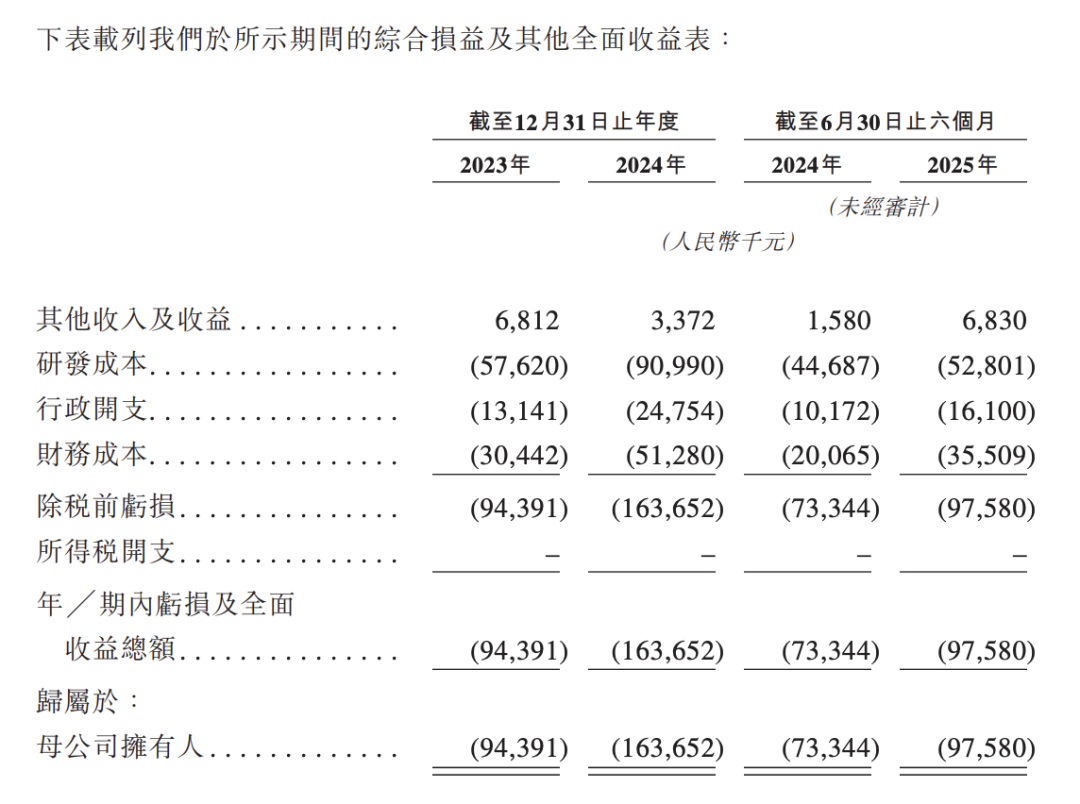
Core Viewpoint - Junsei Biotech has submitted its listing application to the Hong Kong Stock Exchange, focusing on innovative cell therapies and drug development for solid tumors, with its core product GC101 expected to be the first approved tumor-infiltrating lymphocyte (TIL) therapy [1][2]. Financial Performance - The company is projected to incur net losses of approximately RMB 94 million, RMB 164 million, and RMB 98 million for the years 2023, 2024, and the first half of 2025, respectively [3][4]. - The company anticipates continued losses in the short term [3]. Research and Development - Junsei Biotech's R&D costs are expected to be RMB 57.62 million, RMB 90.99 million, and RMB 52.80 million for the years 2023, 2024, and the first half of 2025, respectively [5]. - The company is focusing on expanding the indications for its core product and advancing its clinical development, which will require significant R&D investment [5]. Product Pipeline - The core product GC101 is currently undergoing a key Phase II clinical trial for melanoma and is expected to submit a Biologics License Application (BLA) by 2026 [1]. - The clinical pipeline also includes GC101 for non-small cell lung cancer, which is in Phase Ib, along with plans for multi-indication combination therapies and postoperative adjuvant treatments [1]. Funding Utilization - The funds raised from the IPO are intended to advance the clinical development of TIL product pipelines, upgrade the company's technology platform, enhance production management and manufacturing capabilities, and for general corporate purposes [2].