
Z世代营销

Search documents
面向Z世代的出海指南:“砸钱”失灵 “爹味”劝退
Jing Ji Guan Cha Wang· 2025-11-05 11:25
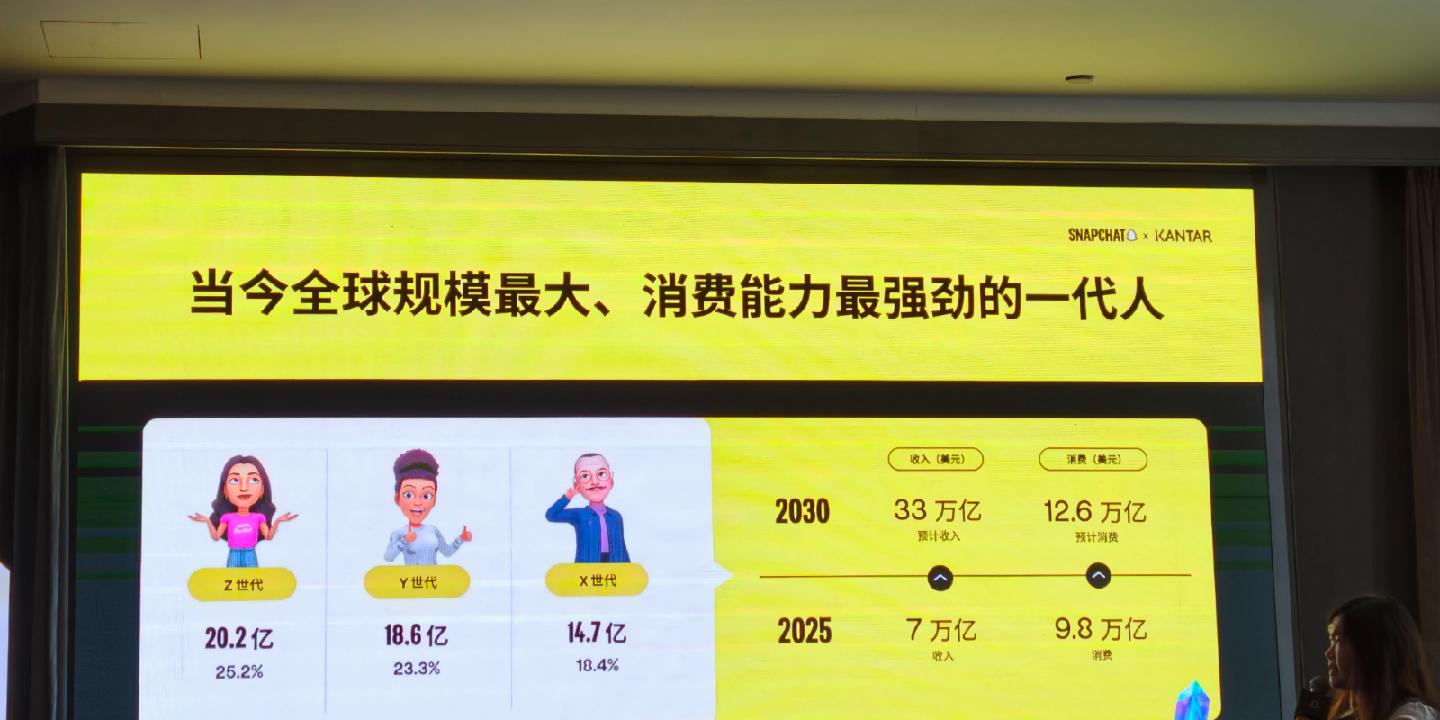
Group 1 - The core viewpoint of the article is that Generation Z is becoming a major force in global consumption, reshaping the relationship between brands and consumers, and emphasizing the importance of engaging content and community feedback over traditional brand messaging [2][9]. - The white paper indicates that by 2025, Generation Z will account for approximately 25% of the global population, with a consumption scale of $9.8 trillion, expected to grow to $12.6 trillion by 2030 [2]. - Chinese brands face challenges in international markets, primarily in narrative strategies, as they often rely on domestic marketing approaches that do not resonate with local audiences [3][4]. Group 2 - The article highlights that many Chinese brands mistakenly use a one-size-fits-all approach in advertising, failing to adapt to the unique cultural and consumer behaviors of different regions [4][5]. - It is noted that the ratio of brand advertising to performance advertising among Chinese advertisers overseas has shifted from "20:80" to "30:70" or even "40:60," indicating a growing recognition of the importance of brand perception alongside direct conversion [5]. - The report emphasizes that successful marketing strategies must respect local cultures and regulations, as what works in China may not be effective abroad [5][6]. Group 3 - The article discusses the importance of understanding the diverse identities within Generation Z, as they value individual details over broad narratives [8]. - It points out that the quality of relationships is becoming a new metric for brand influence, moving away from traditional metrics like exposure and follower counts [8][9]. - Snapchat's platform is highlighted as a case study where users engage in high-frequency, intimate interactions, which are crucial for building emotional connections with brands [9]. Group 4 - The report concludes that no product category is inherently unsuitable for social media marketing; success depends on the brand's ability to integrate its narrative into the social context familiar to Generation Z [10]. - Brands that continue to use outdated, authoritative messaging will struggle to survive on social media, while those that communicate in a relatable manner will thrive [10].

周黑鸭请大学生免费吃鸭活动圆满收官 甜辣滋味成青春记忆符号
Zheng Quan Shi Bao Wang· 2025-10-24 03:37
Core Insights - The "Free Duck for College Students" campaign initiated by Zhou Hei Ya has become a phenomenon among Generation Z, generating significant engagement and brand awareness [1][3][4] Group 1: Campaign Overview - The campaign ran from July 20 to October 15, distributing a total of 300,000 products and registering over 120,000 college student members [1][3] - The campaign achieved over 140 million online exposures, successfully resonating with the youth demographic [1][3] Group 2: Engagement Strategy - College students could receive free products by adding Zhou Hei Ya's welfare officer and completing student verification, with over 400,000 yuan invested during the back-to-school season [3][4] - The campaign utilized both online and offline strategies, reaching over 3.2 million students across more than 250 universities in nine major cities [3][4] Group 3: Brand Positioning - Zhou Hei Ya effectively linked its spicy and sweet product flavors with youthful vitality, establishing a long-term mental association of "Zhou Hei Ya = Youth Memory" [4][5] - The campaign not only expanded product experience but also planted the emotional seed of "Sweet and Spicy Youth" in the minds of Generation Z [4][5] Group 4: Industry Impact - The campaign serves as a breakthrough model for addressing the marketing challenges faced by the snack industry in engaging Generation Z, emphasizing emotional connection over mere traffic [5] - It redefined the communication logic between consumer brands and young audiences, integrating product, emotion, and scenario to deepen brand-user connections [5]

从“流量轰炸”到“信任构建”:掌上大学新报告解锁Z世代营销破局关键
Sou Hu Cai Jing· 2025-09-05 06:21
Core Insights - The Chinese college market is experiencing significant growth, attracting attention from various brands, but there is a challenge in effectively communicating with Generation Z students, who are seen as "internet natives" [1][3] - Traditional marketing strategies like "traffic bombardment" and "price wars" are proving ineffective with this demographic, necessitating a deeper understanding and more precise strategies to win their loyalty [1][3] Group 1: Understanding Generation Z - The report emphasizes that Generation Z should not be oversimplified but viewed as a complex and contradictory consumer ecosystem, which is often where brand marketing fails [6] - Emotional consumption drives higher spending, with emotional purchases averaging 41% more than rational ones, indicating that brands must innovate continuously to maintain long-term relationships with these consumers [7] - Generation Z exhibits a duality in lifestyle choices, balancing "punk health" and "sustainable consumption," reflecting their multifaceted values and the need for brands to integrate emotional and functional aspects into their offerings [9] Group 2: Regional and Social Influences - The report outlines distinct regional preferences among college students, indicating that a one-size-fits-all marketing approach will not resonate with diverse consumer behaviors across different areas [10][11] - Trust in peer recommendations and social validation is significantly higher than traditional brand advertising, necessitating a shift towards community-based marketing strategies [10] Group 3: Strategic Recommendations - The AISPS decision-making framework proposed in the report redefines the purchasing journey for Generation Z, emphasizing the importance of social proof and sample trials to address their trust issues [13] - Six core influencing factors are identified as marketing triggers, allowing brands to tailor their strategies to resonate with Generation Z's emotional and value-driven preferences [15] - The report advocates for a segmented approach to marketing, focusing on specific life scenarios and consumer behaviors to move away from generic marketing tactics [17] Group 4: New Marketing Directions - The release of the report provides valuable insights for brands and industry researchers to better understand Generation Z, highlighting the need for authenticity, value resonance, and trust-building in marketing strategies [19] - The key takeaway is that marketing to Generation Z is not just about competing for traffic but involves a comprehensive examination of brand authenticity and emotional connections [19]

周黑鸭开学季福利重磅升级 400万元豪礼周周免费送
Zheng Quan Shi Bao Wang· 2025-09-01 07:01
Group 1 - The core idea of the article is that Zhou Hei Ya is enhancing its marketing strategy by offering free products to college students, aiming to strengthen its connection with the Z generation [1] - The upgraded campaign, starting from September 1 to September 30, involves distributing 400,000 yuan worth of products, with 30,000 free items available each week [1] - The previous summer campaign successfully distributed 300,000 free products, generating significant social media buzz and engagement among college students [1] Group 2 - Zhou Hei Ya's founder, Zhou Fuyu, emphasizes the company's commitment to integrating into the lifestyle of the Z generation, aiming to be both a food choice and a companion in their youth [1] - The brand seeks to resonate with the vitality of the Z generation, promoting a narrative of "sweet and spicy youth" that reflects the current era [1]