人民币升值

Search documents
人民币升值发出年内最强音!外资流入A股助涨汇率,破7不远了?
第一财经· 2025-09-01 11:55
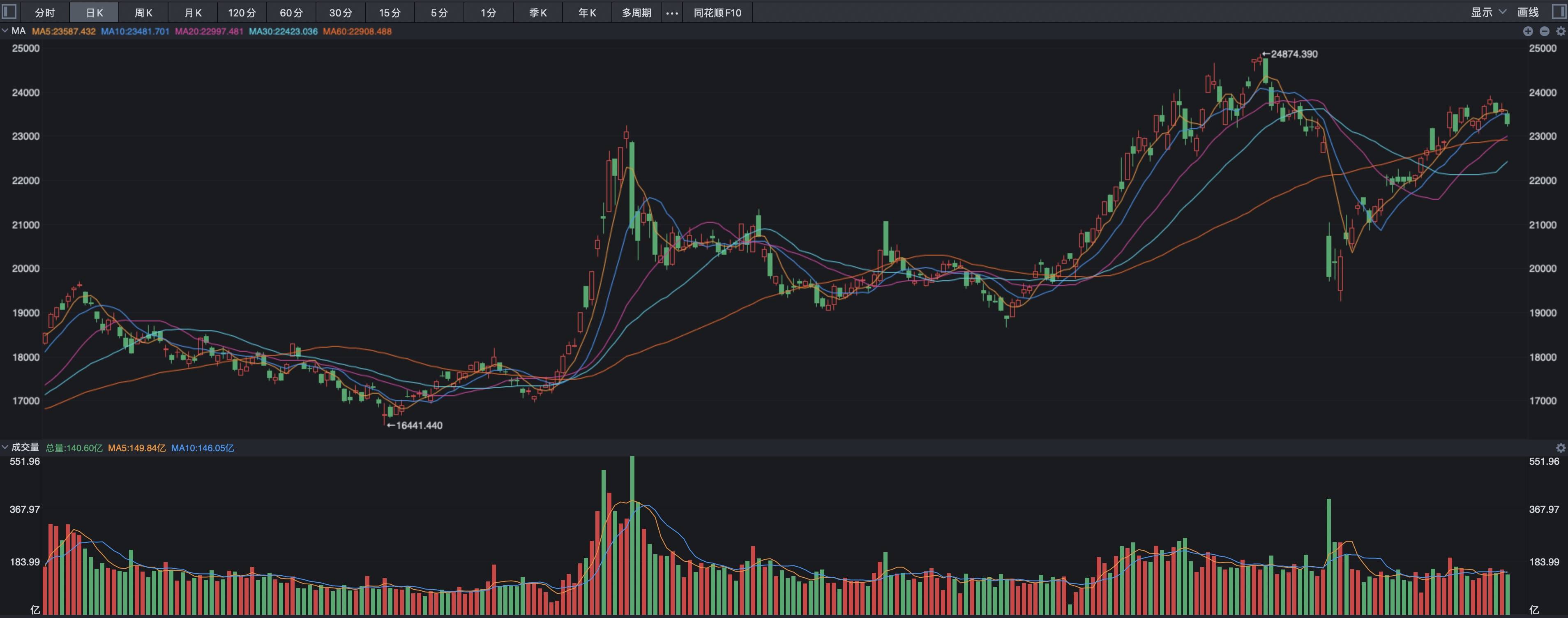
Core Viewpoint - The recent rise in the Chinese stock market and the strengthening of the RMB are driven by optimistic sentiment and foreign capital inflows, with the RMB exchange rate showing signs of further appreciation as it approaches the 7.1 level against the USD [3][6][12]. Group 1: Stock Market Performance - The Shanghai Composite Index has surpassed 3,800 points, with a trading volume of 3 trillion yuan on August 27, marking it as the fourth day in history to exceed this volume [6]. - The trading volume of the CSI 300 ETF reached 10.7 billion yuan, significantly higher than the average daily trading volume of 6 billion yuan in July [6]. - Technology stocks, particularly Cambricon Technologies, have led the bull market, reporting a 43-fold increase in revenue and achieving profitability for the first time [6][8]. Group 2: Foreign Capital Inflows - Key factors influencing the RMB exchange rate include the current account surplus and capital inflows from foreign investments in Chinese stocks and bonds [6]. - International hedge funds have increasingly invested in the Chinese stock market, contributing to the appreciation of the RMB from approximately 7.2 to 7.13 since early August [7]. Group 3: Exporter Behavior - The exchange rate for exporters has risen significantly, with the rate increasing from 46.1% to 54.9% in July, indicating a stronger tendency for exporters to sell USD [10]. - The reduction in outflow pressure on the RMB is also noted, with a decrease of 16 billion USD in net overseas assets for onshore banks in August [11]. Group 4: Future Outlook - Goldman Sachs predicts that the USD/CNY exchange rate will gradually decline to 7.1 in the next 1-2 months, with potential further depreciation to 7.0 by the end of the year [12]. - UBS suggests that the RMB still has appreciation momentum, supported by increased exporter settlement activities and a favorable investment environment [12].

人民币升值1%,中国股票就能涨3%,真是如此吗?
Sou Hu Cai Jing· 2025-05-27 01:20
Group 1 - The core viewpoint of the report indicates that the appreciation of the Renminbi (RMB) positively impacts the Chinese stock market, with a 1% increase in RMB leading to a 3% rise in Chinese stocks, driven by corporate prospects and foreign capital inflows [1] - Historical trends show that during periods of RMB appreciation, foreign investors tend to adopt a positive stance towards Chinese stocks, particularly favoring core assets in sectors like consumer discretionary, real estate, and brokerage firms [1] - The recent strength of the RMB is attributed to the central bank's proactive measures to stabilize the exchange rate and the overall market confidence, preventing capital outflows [1] Group 2 - The offshore RMB reached its lowest point at 7.42 on April 8, but has since appreciated to 7.17, marking a rise of 2500 basis points or 3% [2] - While the RMB shows potential for further appreciation, the central bank aims to maintain a stable exchange rate to avoid excessive gains that could harm export-oriented businesses [2] - The current upward potential for the RMB appears limited, suggesting that when it approaches the 7.1 to 7 range, the appreciation may pause [3] Group 3 - Despite the RMB's appreciation, the A-share market has not shown significant movement, remaining within a trading range, while the Hong Kong stock market has seen a substantial increase of over 20% since April 8 [6] - The disparity in performance between A-shares and Hong Kong stocks indicates that the latter benefits more from RMB appreciation due to its globalized market and easier access for foreign capital [6][7] - The conclusion emphasizes the importance of focusing on investment opportunities in Hong Kong stocks post-adjustment, while considering synchronized investments in both A-shares and Hong Kong stocks for potentially greater returns [8]